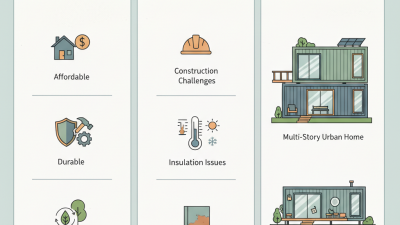
Why Are Shipping Container Homes Becoming the Future of Affordable Housing?
Shipping container homes are reshaping the landscape of affordable housing. These innovative structures are gaining traction for their versatility and cost-effectiveness. Experts like architect Peter Kinsley assert, “Shipping container homes offer creative solutions to the housing crisis.” His perspective highlights the growing recognition of these homes as practical living spaces.
The pressing need for affordable housing makes shipping container homes a relevant option. They are often more affordable than traditional homes, attracting various demographics. In urban areas, where prices soar, these homes present a viable alternative. Unique designs allow for personalization, enabling homeowners to express their individuality.
While container homes are a significant step towards affordability, challenges exist. Insulation and ventilation remain critical concerns. Some may find the aesthetic appeal lacking compared to conventional houses. However, with advancements in design and construction, shipping container homes are likely to flourish. Embracing this trend could lead us closer to solving the housing dilemma.

The Rise of Shipping Container Homes in Modern Housing Solutions
Shipping container homes are transforming modern housing. They offer an innovative and affordable approach to living. Many people are drawn to this solution due to rising housing costs. The modular design allows for easy customization and sustainability. Builders can stack, combine, or rearrange containers creatively.
Urban areas face space constraints. Shipping containers can fit into smaller lots, maximizing land use. These homes are often eco-friendly, utilizing recycled materials. However, there are challenges. Insulation and ventilation can be tricky. Without proper planning, these homes can become uncomfortable in extreme weather.
Local building codes may also pose obstacles. Some areas have strict regulations, making it difficult to establish container homes. Despite these challenges, the appeal is undeniable. People enjoy the unique aesthetic and potential for creativity in design. Container homes encourage a shift towards innovative, affordable living solutions.
Economic Advantages of Shipping Container Homes for Affordable Living
Shipping container homes are gaining popularity due to their economic advantages. These homes are often much cheaper to build than traditional houses. The low initial cost makes them accessible for many families. They can be found in many urban and rural areas. This flexibility varies from place to place. Moreover, repurposing used containers helps reduce waste and save resources.
Construction is quicker compared to standard homes. These structures can be ready in a matter of weeks, not months. This speed can help address urgent housing needs. Climate costs can be lower as well. Shipping containers are sturdy and can withstand harsh weather. They provide excellent insulation which reduces energy bills over time. However, there are challenges to consider.
Not all shipping containers are suitable for housing. Some may require significant modifications to meet safety codes. Local zoning laws can also limit where these homes can be placed. Additionally, living in a smaller space may require lifestyle adjustments. People may need to rethink their belongings and use space more creatively. Embracing this shift can lead to a simpler, more sustainable lifestyle.
Sustainability and Eco-Friendliness of Container Housing
Container homes are gaining popularity for their sustainability and eco-friendliness. These homes recycle steel shipping containers, reducing waste. For a planet facing climate change, this reuse is crucial. Each container represents a move away from traditional building materials, which often have high carbon footprints.
The insulation and design of container homes can lead to energy efficiency. Properly designed, they require less energy for heating and cooling. Many builders use solar panels and rainwater harvesting systems. These features further enhance their eco-friendliness. There are challenges, though. Some areas have strict zoning laws. Finding the right location can be tricky.
Not all container homes are ideal. Quality can vary significantly. Some designs may not meet local building codes. Moisture issues can arise if insulation is not properly installed. Future owners should research and plan carefully. This thoughtful approach can make container living a truly sustainable solution.
Design Flexibility and Customization Options for Container Homes
Shipping container homes offer remarkable design flexibility. They can be easily modified to fit different lifestyles. For example, you can stack containers to create multi-story living spaces. Others may prefer a single-unit design for a cozy atmosphere. This versatility allows homeowners to express their creativity.
Customization options are extensive. Individuals can add patios, solar panels, and unique paint jobs. Interior designs can range from minimalist to lavish. Some might choose large windows for natural light. Others may opt for clever storage solutions. However, customization can strain budgets if not planned well. It is important to balance dreams with practical costs.
Building with shipping containers has its challenges. Weatherproofing is essential to avoid leaks. Insulation is needed for climate control and comfort. These homes may need a well-thought-out plan for utilities. Community rules and zoning laws can complicate designs. It’s vital to research local regulations before diving in. Ultimately, adapting container homes to meet personal needs fosters a sense of ownership.
Affordability and Popularity of Shipping Container Homes (2023)
This chart illustrates the rising trend of shipping container homes as an affordable housing solution, comparing average costs and popularity metrics.
Challenges and Considerations in Building with Shipping Containers
Building homes with shipping containers offers an innovative solution to the affordable housing crisis. However, there are numerous challenges and considerations to address. Before starting a shipping container project, potential homeowners should evaluate zoning laws and building codes. Local regulations may restrict the use or placement of these homes, leading to complications down the line.
One significant issue is insulation. Shipping containers are made of steel, which can easily become too hot or cold. Proper insulation is crucial to maintaining a comfortable living environment. Some builders opt for spray foam insulation, which is effective but can be expensive. Others look for eco-friendly materials, though these options have their trade-offs in durability.
**Tip:** Research local environmental conditions to choose the right insulation method for your region. Additionally, think about the layout. Container homes often require creativity in design to optimize space. This can be challenging but rewarding.
Another aspect to consider is potential rust and corrosion. Containers are not immune to weather damage. They need proper sealing and ongoing maintenance. Homeowners must remain vigilant against moisture and pests, which may pose threats over time.
**Tip:** Regularly inspect your container home to catch any wear and tear early. This can save you from costly repairs later. By understanding these challenges, you can make informed decisions in building your container home.