Top 10 New Shipping Container Homes You Need to Consider?
The rise of new shipping container homes showcases a growing trend in sustainable living. According to a report by the Housing Industry Association, eco-friendly housing solutions are expected to grow by over 30% in the next five years. These homes not only reduce waste but also emphasize affordability and mobility.
New shipping container homes offer unique architectural designs that stand out in the market. They can be customized to fit personal tastes. However, the conversion process can be challenging and requires careful planning. Not all containers are created equal, and potential homeowners must consider factors such as insulation and ventilation.
This innovative way of living prompts us to rethink traditional housing standards. While the advantages are clear, the journey to owning these homes can have its hurdles. As you explore the possibilities, reflecting on the pros and cons will guide you in making a thoughtful decision.
What Are Shipping Container Homes? An Overview
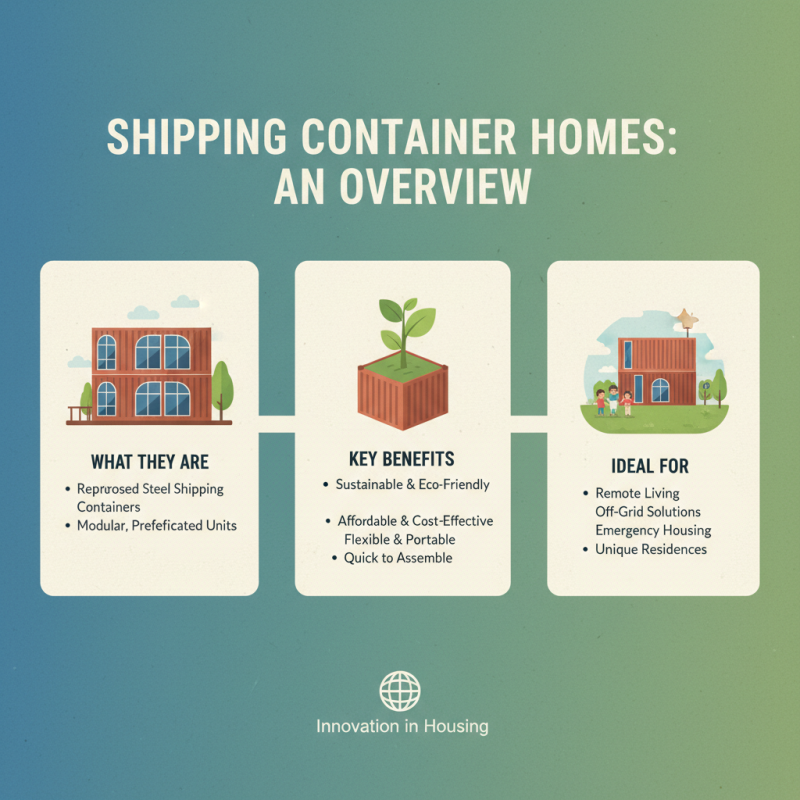
Shipping container homes have emerged as a unique housing solution. These homes are made from repurposed shipping containers, designed to be both sustainable and affordable. The rise in popularity of these homes stems from the need for flexible living spaces. They can be easily transported and assembled on various types of land.
Many people appreciate the modern aesthetic of shipping container homes. They offer a minimalist lifestyle, promoting simpler living. These homes can be customized, allowing for various layouts and designs. However, potential homeowners should consider the challenges of insulation and ventilation. Proper planning is essential to ensure comfort year-round.
Moreover, construction costs can vary greatly. Some may find it more cost-effective than traditional homes. Still, prices can soar with complex designs and additional amenities. Understanding local building codes is crucial before starting a project. Despite the hurdles, shipping container homes are a compelling option for innovative and eco-conscious living.
Benefits of Choosing Shipping Container Homes
Shipping container homes have gained popularity in recent years. They offer a unique blend of affordability, sustainability, and modern design. One significant benefit is their cost-effectiveness. Building with shipping containers is often cheaper than traditional construction methods. They require less time and labor to modify. Many people have transformed them into beautiful homes at a fraction of the cost.
Sustainability is another critical advantage. Shipping containers are repurposed materials. They reduce the need for new resources and lower environmental impact. Additionally, their sturdy structure makes them durable and long-lasting. However, potential buyers must be aware of zoning laws and regulations. Not all areas permit shipping container homes. It can be a challenging process to navigate local laws.
Flexibility in design is a highlight as well. Containers can be stacked or combined in various ways. This allows for creative layouts and customized spaces. Yet, potential downsides include insulation and ventilation issues. Proper planning and construction are essential to address these challenges. Despite these hurdles, many find shipping container homes to be a rewarding investment.
Top 10 Innovative Designs and Features of Container Homes
Shipping container homes are revolutionizing modern living with their innovative designs. Many of these structures feature large windows that allow natural light to flood the interiors. This creates a bright and airy environment, enhancing the overall living experience. Some designs incorporate green roofs, promoting sustainability and improving insulation. The flexibility in layout also stands out, allowing homeowners to adapt spaces easily.
Many container homes embrace unique architectural features. Open-floor plans often become the norm, creating spacious and multi-functional areas. Lightweight materials complement the sturdy container structure, making the home feel less industrial. However, it's essential to acknowledge that not all designs meet building codes everywhere. Prospective owners should research local regulations on container living.
Moreover, an important aspect is the challenge of insulation. While containers provide durability, they can retain heat in summer and cold in winter. Consequently, effective climate control systems must be integrated. This can affect overall costs, which may be a concern for budget-conscious buyers. Embracing green technology can offset energy expenses, but embracing new technologies may require extra effort. The journey of customizing a shipping container home involves reflection and critical decision-making.
Top 10 New Shipping Container Homes You Need to Consider
This chart showcases the number of innovative features across ten different shipping container home designs. Each design offers a unique blend of functionality and creativity, making them excellent choices for modern living.
Factors to Consider When Building a Shipping Container Home
Building a shipping container home is an exciting venture. However, several factors must be considered for a successful outcome. The climate plays a critical role in design. Homes in hotter areas need adequate insulation and ventilation. If not addressed, heat can become unbearable. Moisture can also be a concern, especially in humid climates where rust and mold could develop.
Zoning laws and building codes are essential to check before starting. Each area has its own regulations that can affect your project. Ignoring these can lead to costly delays or even legal issues. An experienced builder can help navigate these requirements. Additionally, think about layout and space. Containers are typically narrow, so maximizing space is crucial. Consider multifunctional furniture and open floor plans for efficiency.
Budgeting is another key aspect. Shipping containers may seem affordable at first. However, costs can escalate quickly. This includes modifications, foundation work, and utilities. Being realistic about finances is important. Lastly, ensure that you involve professionals with experience in shipping container construction. Their expertise can help refine your vision and avoid pitfalls.
Environmental Impact and Sustainability of Container Living
Container homes present a sustainable alternative to traditional housing. They are often made from recycled steel, which reduces waste. This eco-friendly choice minimizes the carbon footprint associated with construction. The durability of shipping containers also contributes to their sustainability. They can withstand extreme weather conditions and require less maintenance over time.
Consider using natural insulation materials to enhance energy efficiency in your container home. Integrating solar panels can further decrease reliance on fossil fuels. Choosing water-efficient fixtures is another way to promote sustainability. Think about rainwater harvesting systems to reduce water consumption.
While container living is appealing, there are challenges. Proper ventilation is crucial to prevent moisture buildup. The interior design of a container can be cramped and may require creative solutions. It's essential to ensure that your container is free from toxic substances, as some may have carried hazardous materials. Be mindful of these factors, and approach container living with a focus on health and environmental impact.