What is the Best Container for Living Space Solutions?
In recent years, containers for living space have emerged as innovative solutions to housing needs. They offer flexibility and affordability, appealing to various lifestyles. These structures can be transformed into cozy homes, offices, or even vacation retreats.
Choosing the right container for living space is crucial. Different sizes and designs cater to individual preferences. However, not all options are equally effective or functional. Some containers may have issues with insulation or ventilation that require careful planning.
While these living solutions are popular, potential drawbacks exist. It’s essential to consider local regulations and zoning laws. Additionally, buyers should assess the long-term sustainability of their choices. Understanding these factors ensures that the dream of a container home becomes a reality, rather than a challenge.
Types of Containers Used for Living Space Solutions: A Comparative Analysis
When it comes to container solutions for living spaces, several types are commonly used. Shipping containers are one of the most popular choices. They are durable and relatively easy to modify. Many people appreciate their strong structure. However, they can be heavy and difficult to transport. They also require insulation to remain comfortable in different climates.
Another option is the modified storage container. These are lighter and often come equipped with windows and doors. This makes them more livable right off the bat. However, they might lack the sturdiness of traditional shipping containers. It’s important to consider how each option fits into your lifestyle and budget.
Then there's the option of mobile homes, which can be a more flexible living solution. They provide amenities that containers often lack, like plumbing and electricity. But maintenance can be a challenge. Each choice has its pros and cons. It’s essential to reflect on which container best meets your needs and preferences.
Comparative Analysis of Container Types for Living Space Solutions
Factors Influencing the Choice of Container Materials in Construction
When selecting containers for living space solutions, various factors must be considered. The material used in construction greatly impacts durability, insulation, and overall comfort. Steel containers often provide strength and longevity. However, they can be prone to corrosion if not properly maintained. Wood, while aesthetically pleasing, might be less durable against pests and moisture. Each material comes with its pros and cons.
Insulation is a critical aspect that affects energy efficiency. Steel needs proper insulation to maintain a comfortable internal environment, especially in extreme climates. Conversely, wood has natural insulating properties. However, it may require additional treatments to enhance its performance. The choice comes down to balancing durability and efficiency based on the intended use of the space.
Cost plays a significant role in material selection as well. While some materials may offer better insulation, they could also demand a higher upfront investment. Environmental impact is another consideration. Sustainable materials may be more expensive, but they contribute positively to eco-friendliness. Ultimately, it is important to carefully weigh each factor, acknowledging that no solution will be perfect at every level.
Cost Analysis of Container Living Spaces vs. Traditional Housing Options
Container living spaces have gained popularity as a cost-effective alternative to traditional housing. They offer flexible designs and quick assembly. However, a detailed cost analysis shows that initial expenses can vary significantly. The purchase of a shipping container is just the start. You'll need to factor in insulation, plumbing, and electrical work. Depending on these modifications, the final costs can rise quickly, making some projects surprisingly expensive.
While container homes can be an attractive option, they come with challenges. Local building codes may impose restrictions on their installation. Additionally, resale value can be uncertain compared to traditional homes. Buyers often have preconceived notions about container living, which could affect future investments. It's essential to consider these variables when budgeting for your project.
Choosing the right location can also impact costs. Building on raw land may save money initially, but utilities and permits can add up. Consider proximity to urban areas, where access to services influences pricing. Look carefully at all these factors before diving into a container living project. Balancing costs with your vision is critical for successful implementation.
Sustainability: Environmental Impact of Container Living Solutions
Container living solutions are gaining traction for their sustainability benefits. The use of repurposed shipping containers reduces waste. According to a report by the World Economic Forum, about 28 billion tons of construction waste is produced annually. Container homes can mitigate this issue by recycling existing materials.
These structures boast strong energy efficiency metrics. The U.S. Green Building Council indicates that sustainable building practices can save up to 40% in energy costs. However, not all containers are created equal. The impact of coatings and insulation choices can greatly affect sustainability levels. Many containers contain harmful substances, such as lead paint, that pose environmental risks.
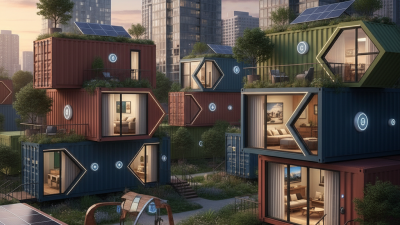
Urban areas often face challenges with zoning laws and public perception. People may view container homes as temporary or substandard housing. However, these homes can blend into the urban fabric with the right design. As communities explore alternative living spaces, it’s essential to address these perceptions while prioritizing sustainability.
Design Flexibility: Customization Opportunities in Container Homes
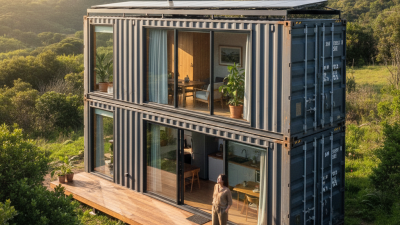
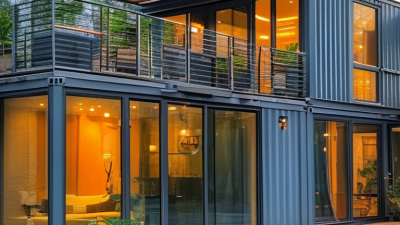
Container homes offer remarkable design flexibility. Owners can customize their spaces to reflect personal tastes and needs. From open layouts to multi-level designs, the possibilities are vast. Adding windows creates light-filled areas. Experiment with colors and materials to achieve a unique look.
When planning a container home, consider flow and functionality. An open floor plan can make small spaces feel larger. Avoid overcrowding your layout. Each piece of furniture should serve a purpose. Look for multi-functional items, like a sofa bed or a coffee table with storage.
Nature can enhance your design. Decks and green roofs promote sustainability. Incorporate large sliding doors to merge indoor and outdoor spaces. This can help in creating a serene environment. Don't shy away from imperfections; they often tell a story. Embrace the journey of creating your container home. Each decision can teach valuable lessons about space, comfort, and style.