How to Build a High Quality Converted Container House?
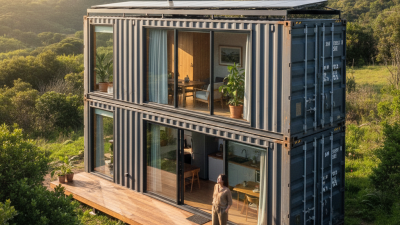
Building a high-quality converted container house involves careful planning and execution. Renowned architect, Michael Reynolds, who specializes in sustainable design, states, "The beauty of a converted container house lies in its adaptability." This statement resonates deeply as many seek innovative housing solutions.
When embarking on this journey, one must consider the fundamental aspects: insulation, structural integrity, and aesthetics. Each container is unique, presenting distinct challenges. It’s essential to choose the right materials and design elements. Factors like weather can greatly influence these decisions. The design should not only be functional but also appealing.
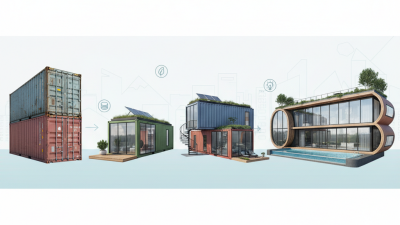
Moreover, transforming a shipping container into a livable space demands time and expertise. Reflecting on potential pitfalls is crucial. Common mistakes include insufficient insulation or neglecting local building regulations. Addressing these issues early can ensure the project’s success. Ultimately, a well-executed converted container house is a blend of creativity, practicality, and sustainability.
Choosing the Right Container for Your High-Quality Home
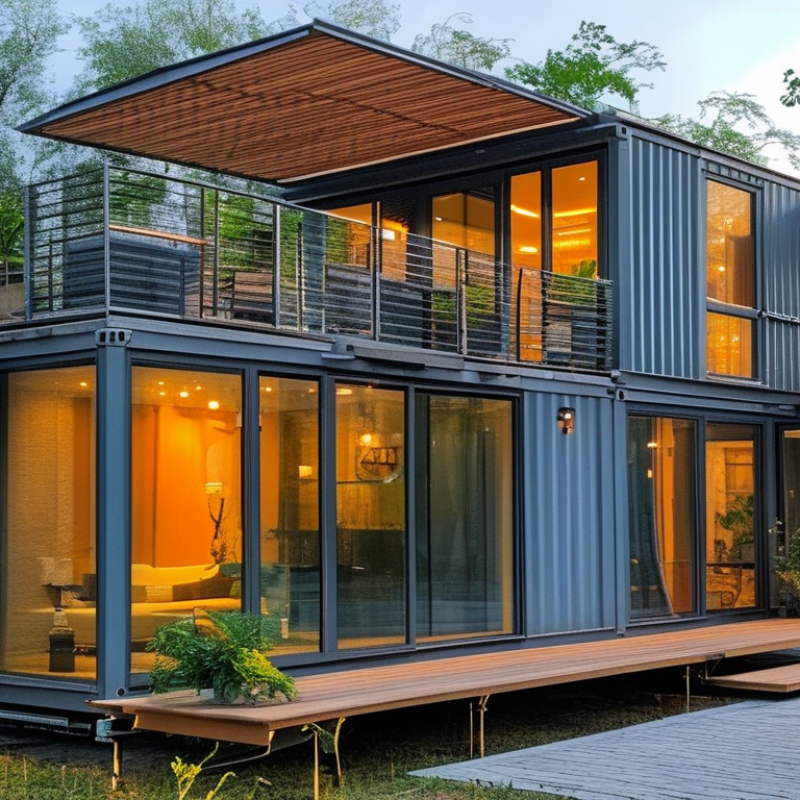
Choosing the right container is crucial for building a high-quality home. Start by assessing your needs. Are you looking for a spacious design or a more compact space? An ideal container can also depend on your budget and preferences.
Look for containers that are structurally sound. Inspect them for rust, dents, and leaks. A damaged container can lead to significant issues later. Pay special attention to the container’s age. Older models may require more repairs.
Consider insulation and ventilation carefully. A good container needs to be livable year-round. This is where many people overlook details. Proper insulation can make a big difference in comfort. Ventilation systems are often neglected, affecting air quality. Always prioritize both aspects to avoid costly adjustments later on. Remember, the quality of your chosen container sets the foundation for your entire home.
How to Build a High Quality Converted Container House? - Choosing the Right Container for Your High-Quality Home
| Container Type |
Size (ft) |
Material Condition |
Insulation Options |
Cost Estimate ($) |
| Standard Shipping Container |
20 |
Good |
Spray Foam |
2,500 |
| High Cube Container |
40 |
Excellent |
Mineral Wool |
4,000 |
| Used Container |
10 |
Fair |
Polystyrene |
1,000 |
| Flat Rack Container |
40 |
Good |
Reflective Foil |
3,500 |
Essential Design Considerations for Container House Layout
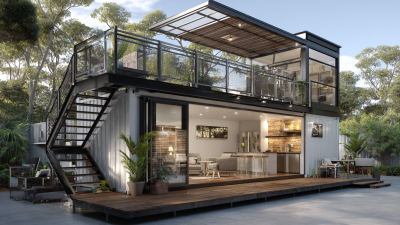
When designing a container house, layout is crucial. You must consider space utilization carefully. Open floor plans often create a sense of spaciousness. However, structural limitations may impact your choices. Think about how you will use each area. A designated kitchen zone, for example, can enhance workflow. But don’t overlook storage—clever solutions can prevent clutter.
Natural light is essential in any home. Large windows can brighten your space but choose their placement wisely. Privacy is another aspect to weigh. If your house is near neighbors, strategic positioning is key. Additionally, think about outdoor connections. A good layout encourages flow between indoor and outdoor areas. However, this can complicate insulation needs.
Your design should reflect your lifestyle. Will you work from home? A home office needs partitioning. Or perhaps you’d prefer a more communal environment. Experiment with different layouts. Some arrangements might feel cramped. Others could provide too much empty space. Reflecting on these aspects helps refine your vision.
Executing Proper Insulation and Ventilation Techniques
When constructing a high-quality converted container house, proper insulation and ventilation are crucial. Effective insulation materials are key to maintaining a comfortable indoor temperature. Consider using foam boards or spray foam insulation. These materials help to eliminate heat loss in winter and keep the space cool in summer. Remember to seal any gaps. Air leaks can lead to energy inefficiency and increased costs.
Ventilation is another critical aspect. Without adequate airflow, humidity levels can rise. This can result in mold growth and decreased air quality. Install vents or windows to promote cross-ventilation. Consider mechanical ventilation systems if natural options are limited. It is essential to strike a balance between insulation and airflow. Too much insulation without ventilation can lead to stuffiness and health issues.
Reflecting on your choices is important throughout the process. Every decision impacts the overall sustainability and comfort of your home. If insulation isn’t done correctly, it can lead to future problems. Aim for a design that not only prioritizes aesthetics but also function and efficiency. Remember, your container house should feel like a home, not just a structure.
Sustainable Energy Solutions for Container Homes
Sustainable energy solutions can greatly enhance the efficiency of converted container houses. Solar panels are a popular choice. They harness sunlight, converting it into electricity. This reduces reliance on the grid. Additionally, they work well in various climates. Their installation can be straightforward, but placement is crucial. A south-facing roof maximizes sun exposure.
Wind turbines are another option. They can provide power, particularly in windy areas. However, proper site assessment is needed. Not every location is suitable. Integrating these systems requires careful consideration of energy needs. Battery storage solutions complement renewable sources. They ensure energy availability, even when the sun doesn't shine or the wind doesn't blow.
Water conservation is also key. Rainwater harvesting systems can collect and store water. This helps reduce the demand for municipal supplies. Greywater systems can recycle water from sinks and showers. These systems require planning and maintenance. They can present challenges, but they contribute to sustainable living. Embracing these solutions not only promotes eco-friendliness but also fosters self-sufficiency in container homes.
Navigating Local Regulations and Permitting for Container Construction
Navigating local regulations and permitting can be challenging when building a
container house. Each region has its own set of rules. It’s important to start by
researching local zoning laws.
Some areas may have restrictions on the use of shipping containers for homes. Understanding
these rules is crucial to avoid costly delays.
Obtaining the necessary permits is often a multi-step process. You might need a
structural evaluation of the containers to ensure safety. Additionally,
inspection requirements can vary. Engaging with local
authorities early can save time. It’s also wise to connect with
other builders in your area. They can provide insights into successful
applications and common pitfalls.
Reflecting on my own experience, I encountered unexpected challenges during the
permitting phase. Initial plans were rejected due to misunderstandings about
structural requirements. This taught me the importance of clear communication with officials. Building a
high-quality container home is not just about design—it’s also about navigating the
bureaucratic landscape effectively.