Top 10 Benefits of Buying Shipping Container Houses for Investors?
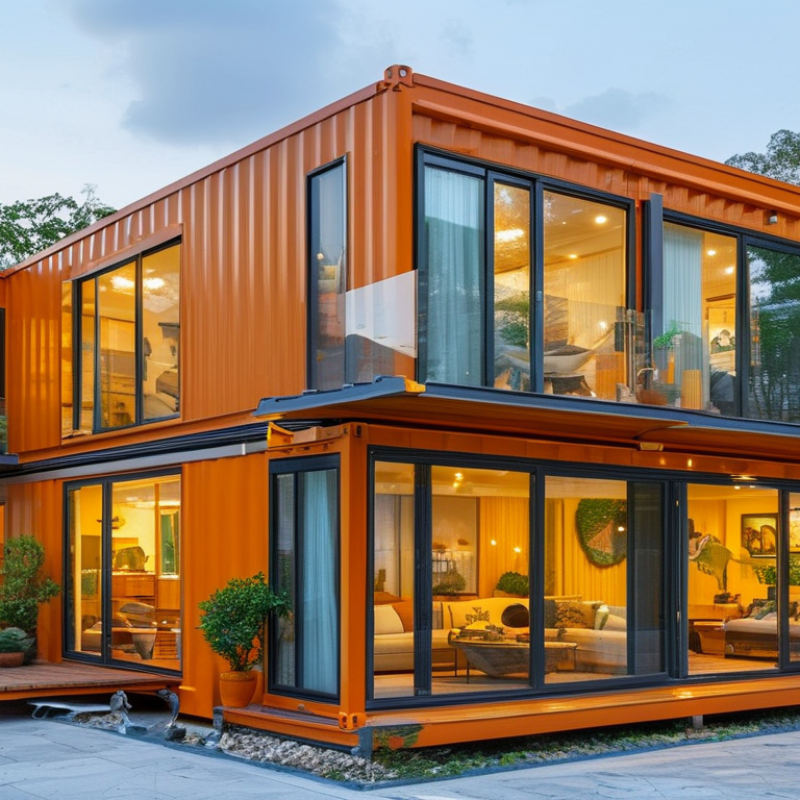
The trend of buying shipping container houses is rapidly gaining traction among investors. These innovative homes are not only affordable but also versatile. They cater to various lifestyle needs and preferences, making them an appealing investment choice. Many are drawn to the unique aesthetic and eco-friendly qualities of container houses.
Investors recognize the potential for higher returns in a growing market. However, there are challenges to consider when making the decision to buy a shipping container house. It's crucial to evaluate zoning laws, construction costs, and resale value. Each property's unique characteristics may also influence its attractiveness as an investment.
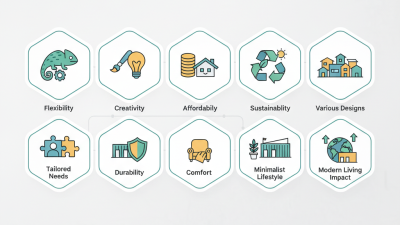
Ultimately, the benefits of these homes are compelling. The blend of affordability, creativity, and sustainability offers investors a path to diversify their portfolios. Before diving into such an investment, thorough research and planning are essential to ensure a successful venture.
Benefits of Low Initial Investment in Shipping Container Houses
Investing in shipping container houses offers a low initial investment that attracts many investors. The average cost of a traditional home has risen significantly, often exceeding $200,000. In contrast, shipping container homes can be built for around $10,000 to $50,000. This makes them a viable option for those seeking affordable housing solutions.
Moreover, these homes require fewer materials and labor, cutting down on construction expenses. According to the Container Housing Report, 60% of shipping container homes are built using repurposed containers. This efficiency lowers costs further and appeals to eco-conscious investors. The rapid build time of around six to eight weeks also adds to the investment's allure.
However, there are challenges worth considering. Not all local zoning laws accommodate container homes. Investors should research regulations to ensure compliance. While the potential for a high return exists, location and market demand greatly influence profitability. Despite these hurdles, the low entry cost remains a compelling reason for investors to explore this innovative housing option.
Top 10 Benefits of Buying Shipping Container Houses for Investors
| Benefit |
Description |
Estimated Initial Investment (USD) |
Potential Return on Investment (%) |
| Affordability |
Lower cost compared to traditional homes. |
$20,000 - $50,000 |
15 - 25 |
| Sustainability |
Utilizes recycled materials, reducing waste. |
$30,000 |
20 - 30 |
| Quick Construction |
Faster build times compared to traditional housing. |
$25,000 |
10 - 20 |
| Design Flexibility |
Versatile for various architectural designs. |
$40,000 |
15 - 25 |
| Mobility |
Can be relocated as needed. |
$35,000 |
15 - 30 |
| Low Maintenance |
Durable and resistant to extreme weather. |
$30,000 |
10 - 15 |
| Investment Opportunities |
Can be rented or resold for profit. |
$50,000 |
20 - 35 |
| Unique Aesthetic |
Stand out in the housing market. |
$30,000 |
15 - 20 |
| Energy Efficiency |
Can incorporate eco-friendly technologies. |
$40,000 |
15 - 25 |
| Community Development |
Support local economy through innovative projects. |
$35,000 |
10 - 20 |
Durability and Sustainability: Long-Term Benefits of Container Homes
Durability stands as one of the most compelling reasons to consider shipping container houses. These structures are engineered to sustain harsh weather. They resist rust, mold, and pests effectively. This inherent durability reduces maintenance costs over time. It makes them an appealing option for long-term investment.
Sustainability is another vital aspect. Shipping containers are an eco-friendly choice. They repurpose materials that might otherwise go to waste. By converting containers, investors contribute to reducing landfill waste. This can also appeal to environmentally conscious buyers. It enhances the overall marketability of these homes.
When considering a container home, focus on insulation. Proper insulation enhances energy efficiency. Think about the climate in your area. Also, be cautious of DIY modifications. While creativity is encouraged, structural integrity is essential. Mistakes made during customization can lead to future issues. Choosing the right contractor can help prevent this.
Investors should conduct thorough research before purchasing. Understand local zoning laws. Some areas have restrictions on container homes. It’s possible to encounter obstacles related to building permits. Knowing these details beforehand can save headaches later on. Approach the process with flexibility and a willingness to adapt.
Top 10 Benefits of Buying Shipping Container Houses for Investors
Flexibility in Design and Modifications for Shipping Container Houses
Shipping container houses exemplify innovative living solutions with remarkable flexibility in design. These structures allow investors to create unique spaces that suit diverse needs. According to a report by the Container Housing Institute, over 70% of container homes are custom-designed, demonstrating their adaptability. This flexibility includes alterations to layouts, insulation options, and even aesthetics, appealing to a wide range of tastes and preferences.
Investors often value the cost-effectiveness of shipping containers. Modifications can be made both for functionality and visual appeal. Reports show that basic designs can evolve into stunning modern homes with the right modifications. However, it's essential to reflect on the potential challenges, such as insulation and structural integrity. Addressing these issues is key to maximizing efficiency and livability, ensuring a sound investment in the long run.
Moreover, the construction times for these homes can be significantly reduced. According to recent studies, building a container home can take 30-50% less time compared to traditional homes. This rapid setup is attractive, especially for those looking to capitalize on growing real estate markets. However, investors should carefully assess local zoning laws and regulations to avoid complications. Understanding these factors is crucial for successful project execution.
Potential for High Rental Yields in Short-Term Rental Markets
Investing in shipping container houses offers a unique opportunity, particularly in the short-term rental market. Recent reports indicate that short-term rentals can yield rental returns of 10% to 20% annually, making these properties attractive to investors. Shipping container homes can often be built at a fraction of the cost of traditional houses, allowing for a higher return on investment. The flexibility and mobility of these structures also cater to the growing demand for unique lodging experiences.
Renters are increasingly looking for distinctive stays. Shipping container homes can provide eco-friendly and trendy accommodations. According to a study by AirDNA, properties that stand out tend to achieve a higher occupancy rate. This trend points towards a significant market opportunity for investors willing to embrace innovation in real estate.
Choosing the right location is critical in maximizing rental yields. Areas with strong tourist traffic or unique attractions will typically see quicker returns. Investors should also consider the local regulations on short-term rentals, as these can affect profitability.
Understanding market demands is essential. Analyze local rental trends regularly to adjust your offerings. A flexible approach can keep your property competitive. With a strategic mindset and an eye for trends, shipping container homes can be a profitable venture in the modern rental market.
Environmental Impact: Eco-Friendly Benefits of Container Living
Shipping container houses are gaining traction as eco-friendly living options. They represent a unique approach to sustainable housing. According to a report by the United Nations, about 1.6 billion people live in inadequate housing. Container homes can help alleviate this issue. They are often built using 100% recyclable materials. This significantly reduces waste.
The carbon footprint of traditional construction is substantial. The production of conventional building materials accounts for approximately 23% of global greenhouse gas emissions. In contrast, shipping containers require less energy to produce and transport. Housing made from these containers has been shown to contribute less to environmental degradation. A study from the World Green Building Council indicates that sustainable building design can reduce energy use by up to 50%.
Container homes often utilize passive solar design, maximizing natural light and reducing electricity consumption. This makes them not just eco-friendly but cost-effective in the long run. However, challenges remain. Insulation and ventilation can be tricky with metal structures. Investors must consider these factors carefully. Overall, shipping container houses provide a compelling, sustainable alternative in a world that urgently needs better housing solutions.