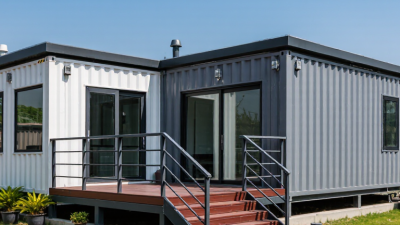
7 Tips for Buying Cargo Container Homes
Cargo containers homes can appear affordable, modern, and quick to build. The reality often depends on details hidden behind polished photographs. A used container may show rust beneath fresh paint, damaged corner posts, or chemical residue from previous cargo. Inspect it in person when possible. Bring a flashlight, tape measure, and a written checklist. Ask for its history, condition reports, and original identification markings.
This guide presents seven practical tips for buying with fewer surprises. You will examine structural condition, insulation, ventilation, permits, delivery access, utility connections, and the complete project budget. A qualified structural engineer should review major cutting or stacking plans. Local building officials can confirm zoning and safety requirements before money changes hands. Experienced builders also know that condensation can damage interiors quickly in humid climates. Small mistakes become expensive later.
Do not trust a low purchase price alone. Crane hire, foundation work, transport, windows, and mechanical systems can change the final figure. My own first estimates would have missed those costs without a site inspection. That is worth remembering. A container may be cheap, but conversion rarely is. The best decision balances design, durability, safety, and realistic maintenance. You may still compromise on finishes or layout. However, informed compromises are better than rushed savings. Use these tips to question sellers carefully, compare professional opinions, and decide whether a container-based home genuinely suits your site and daily life.

Clarify Your Space Needs and Container Home Goals
7 Tips for Buying Cargo Container Homes: Clarify Your Space Needs and Container Home Goals
Start with daily life, not the container count. A standard 20-foot container offers about 13.9 square metres of internal floor area before insulation and services. ISO 668 lists its external length as 6.058 metres and width as 2.438 metres. Measure your furniture with tape. A double bed, wardrobe, and 60-centimetre walkway can consume most of that space.
Write down fixed needs and flexible wants. Do you need one bedroom, a work desk, or wheelchair turning space? A 40-foot unit provides more length, but transport access may limit your site. Check the driveway, crane position, drainage, sunlight, and local planning requirements. A layout can look generous on paper. It may feel narrow in winter.
Your goal also affects the build specification. For year-round living, budget for insulation, ventilation, moisture control, and efficient heating. The 2023 UNEP Global Status Report for Buildings and Construction states that buildings produced 37% of global energy-related emissions in 2022. Cutting heat loss matters. Reflect on this. Choosing a low purchase price while reducing insulation can create higher operating costs and uncomfortable rooms. Draw a realistic floor plan, then ask a qualified designer or building surveyor to review it before purchasing. Small mistakes become expensive once steel is cut.
Verify Building Codes, Zoning Rules, and Permit Requirements
7 Tips for Buying Cargo Container Homes
Verify Building Codes, Zoning Rules, and Permit Requirements
Before buying a cargo container home, contact your local planning office. Rules can differ between neighboring towns. A property may allow residential use but prohibit container-based construction. Ask for written guidance on zoning, setbacks, height limits, and minimum dwelling sizes.
Building codes also cover more than the steel shell. Officials may require structural calculations, insulation ratings, emergency exits, fire separation, and safe electrical systems. Plumbing connections often need separate approval. A qualified architect or structural engineer can review the design before you pay a deposit. Their advice may reveal expensive changes, such as added foundations or reinforced openings.
Do not assume a used container is automatically suitable. Check its history, dimensions, corrosion, and previous treatments. Some modifications can weaken the frame. Confirm that the proposed home meets local ventilation, heating, accessibility, and energy requirements. Permit applications may require site plans, engineering drawings, utility details, and inspection schedules.
Ask who will pull each permit.
This detail matters.
A seller may provide a basic layout, but local authorities approve the actual project. Keep every email, drawing, invoice, and inspection record. Requirements can change, and verbal assurances are difficult to verify later. I would also leave extra time and money for revisions. My planning instinct says to budget generously, yet local approval timelines remain uncertain. That uncomfortable gap deserves honest attention before purchase.
7 Tips for Buying Cargo Container Homes: Verify Building Codes, Zoning Rules, and Permit Requirements
Before purchasing a container home, confirm that its windows and other life-safety features meet the locally adopted residential code. As a baseline, the 2021 International Residential Code requires emergency escape openings to provide at least 20 inches of clear width, 24 inches of clear height, and a sill no more than 44 inches above the floor. The minimum net clear opening is generally 5.7 square feet, or 5.0 square feet for openings at grade level. Local zoning rules, building-code amendments, flood requirements, utility standards, and permit procedures may impose additional requirements.
Reference: International Residential Code, Section R310.2.1. Verify the current rules with the local building and planning departments before buying or modifying a cargo container.
Evaluate Container Condition, Size, and Structural Safety
Buying a container home starts with the steel box, not the floor plan. UNCTAD’s Review of Maritime Transport 2024 reported about 858 million TEU in global container port throughput during 2023. That volume reflects repeated lifting, stacking, vibration, and exposure to salt air. Inspect every corner post, roof panel, door frame, and underside for dents, twisting, deep rust, or fresh paint hiding repairs. Surface rust is manageable. Flaking steel is not.
Check the container’s identification plate and original dimensions against ISO 668 specifications. A standard unit is usually 20 or 40 feet long, while high-cube models provide extra interior height. Measure the inside yourself. Insulation, wiring, plumbing, and wall finishes can remove several inches. It sounds minor. It changes comfort.
Structural safety needs more than a visual glance. Ask for recent inspection records and confirm the container carries a valid CSC safety plate when available. IICL inspection guidance emphasizes damage assessment around frames, doors, floors, and load-bearing components. A qualified structural engineer should review large side openings before cutting begins. One practical mistake is assuming the corrugated walls carry every load. They do not. I would also test door seals during heavy rain, inspect wooden floors for chemical treatment concerns, and photograph each defect before purchase. My checklist still misses things sometimes, especially hidden corrosion beneath flooring. That is why an independent inspection is worth the delay.
Plan Insulation, Utilities, Layout, and Climate Protection
7 Tips for Buying Cargo Container Homes
Tip 1: Inspect the steel carefully. Look for corrosion around the floor, roof seams, doors, and corner posts. A clean appearance can hide weakened metal. Bring an independent inspector, not only the seller’s representative.
Tip 2: Plan insulation before choosing the layout. Steel transfers heat quickly, so thin insulation often creates condensation and uncomfortable rooms. Closed-cell foam can reduce air leaks, while mineral wool may support fire resistance. Leave space for ventilation. This detail is easy to miss. Tip 3: Map utilities on paper first. Mark water lines, drainage, electrical routes, heating, cooling, and access panels. Short utility paths usually reduce maintenance problems. Ask a qualified professional to verify the design and local requirements.
Tip 4: Test the proposed layout with real furniture measurements. A container may look spacious online, but a bed, kitchen cabinets, and bathroom walls consume room quickly. Keep service areas reachable. Tip 5: Study the local climate. In hot regions, add roof shading, reflective surfaces, and cross-ventilation. In cold or wet areas, protect the underside and improve roof drainage. Tip 6: Check windows and doors for thermal performance, secure seals, and safe emergency access. I once underestimated morning condensation in a steel room. That mistake changed my ventilation plan. Tip 7: Price the complete project, including foundations, transport, lifting, utility connections, insulation, and interior finishing. The lowest container price rarely represents the final cost. Get written assessments, compare assumptions, and question estimates that seem unusually simple.