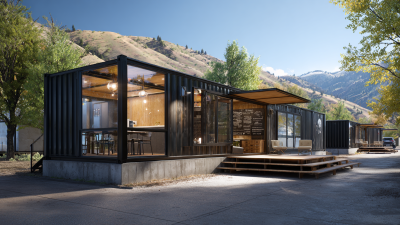
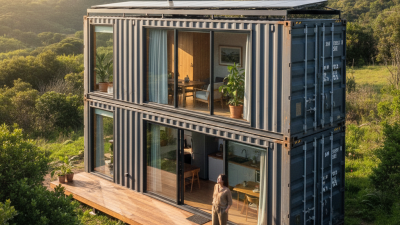
Why Choose Finished Container Homes for Your Next Project?
The trend of using finished container homes relies on innovation in sustainable living. A report by Research and Markets shows that the global market for modular construction is projected to reach $157 billion by 2023. This indicates a growing preference for efficient building solutions. Finished container homes represent one such solution, blending affordability and adaptability.
These homes minimize construction waste and optimize resources. A recent study revealed that modular homes, including container options, reduce building time by up to 50%. This efficiency is appealing to both builders and homeowners. However, challenges exist, such as local zoning regulations and buyer misconceptions about durability.
Investing in finished container homes can be smart. They often lead to lower energy costs, which is crucial in today’s economy. Yet, it’s important to conduct thorough research. Understanding local building codes and market demands is essential. This ensures a successful project that meets community standards and personal needs.
Advantages of Using Finished Container Homes in Construction Projects
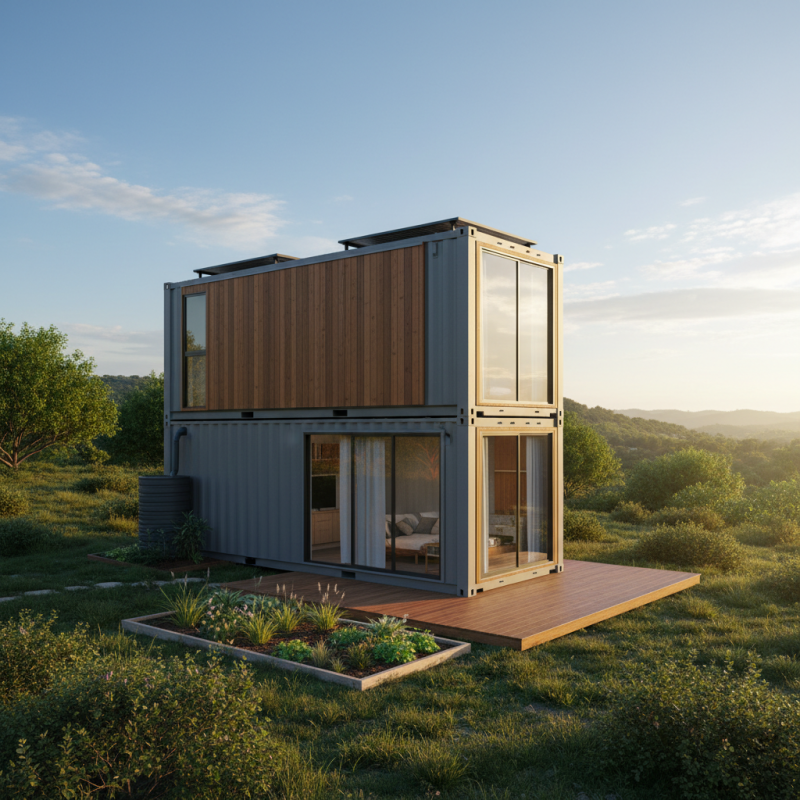
Container homes have gained popularity for various construction projects due to their unique advantages. One major benefit is their cost-effectiveness. Using shipping containers can significantly lower material expenses. They are often available for purchase at lower prices than traditional building materials. This approach allows builders to allocate funds to other essential aspects.
Another advantage is the speed of construction. Finished container homes can be ready for occupancy in a matter of days or weeks, rather than months. This quick turnaround can be crucial for businesses or families needing immediate housing solutions. The modular nature of container design allows easy customization, from layouts to finishes, catering to diverse needs.
However, there are challenges to consider. Not all areas permit container homes due to zoning laws. Additionally, insulation and ventilation must be addressed, as containers can overheat or feel cramped without proper adjustments. Understanding these factors is essential for successful implementation. Relying on experienced professionals can help navigate potential pitfalls in the design and construction processes.
Design Flexibility and Customization Options for Container Homes
Designing a container home offers unique flexibility rarely found in traditional building methods. Homeowners can modify floor plans as needed, creating open spaces or cozy nooks. Whether you prefer a sleek modern aesthetic or a rustic charm, container homes accommodate diverse styles. The use of industrial materials allows for bold design choices without sacrificing durability.
Customization options further enhance the appeal. From insulation choices to window placements, each detail can reflect personal taste. Homeowners can choose sustainable materials, ensuring eco-friendliness is part of the home’s story. However, it’s necessary to remember that all modifications require careful planning. Not all designs are feasible; structural integrity must be considered.
Though container homes are versatile, they also come with challenges. Local building codes may impose restrictions, limiting your vision. Finding the right balance between creativity and compliance is crucial. Some homeowners may find it difficult to navigate this process, leading to frustration. Despite these obstacles, the potential for a truly unique living space remains a compelling reason to pursue container home projects.
Sustainability and Environmental Benefits of Container Living
Container homes are emerging as a sustainable solution in modern construction. These innovative living spaces repurpose shipping containers, reducing waste and promoting eco-friendly practices. Every year, millions of containers become obsolete. Transforming them into homes prevents them from ending up in landfills.
Sustainability is at the heart of container living. The materials used are often recycled, minimizing the carbon footprint. Moreover, these homes are highly energy-efficient. Many designs incorporate solar panels and rainwater collection systems. This consideration for energy use and resource management makes them an excellent choice for environmentally conscious individuals.
Despite the benefits, there are challenges to consider. Insulation can be tricky, leading to temperature fluctuations. Additionally, the need for careful planning is crucial in the design process. While container homes promote sustainability, local building codes and zoning laws may create hurdles. These factors require thoughtful navigation for a successful project.
Environmental Benefits of Container Homes
This chart illustrates the sustainability benefits of choosing finished container homes for your next project. The dimensions show key environmental factors, including reduced waste, energy efficiency, and lower carbon footprint compared to traditional housing methods.
Cost-Effectiveness and Efficiency of Finished Container Homes
Finished container homes offer remarkable cost-effectiveness and efficiency, making them an appealing choice for many projects. According to a report by the Container Housing Institute, the average cost of building a conventional home has risen to around $300,000. In contrast, finished container homes can be as low as $150,000, significantly reducing expenses. This cost reduction does not compromise quality, as many designs include modern amenities and sustainable features.
Construction efficiency is another key benefit. The same report indicates that traditional builds can take up to six months or more. Finished container homes, however, can be ready in as little as three months. This rapid deployment is crucial for those needing quick housing solutions, such as in disaster recovery scenarios. Additionally, less site preparation is required, as many containers can be assembled on-site with minimal foundation work.
However, one should consider zoning laws and site limitations. Not all areas permit container homes, leading to potential legal challenges. There’s also the issue of insulation and durability over time. Some containers may require additional treatments to resist rust or weather damage. This is essential to ensure the longevity of the structure. It's vital to weigh these factors when making a decision. Cost savings are appealing, but understanding the full scope of potential drawbacks is necessary for a successful project.
Why Choose Finished Container Homes for Your Next Project? - Cost-Effectiveness and Efficiency of Finished Container Homes
| Feature |
Finished Container Homes |
Traditional Homes |
| Average Cost per Square Foot |
$100 - $150 |
$150 - $200 |
| Construction Time |
4 - 8 weeks |
4 - 6 months |
| Sustainability Rating |
High |
Medium |
| Customization Options |
High |
Moderate |
| Mobility |
High |
Low |
Time-Saving Construction Process for Container Home Projects
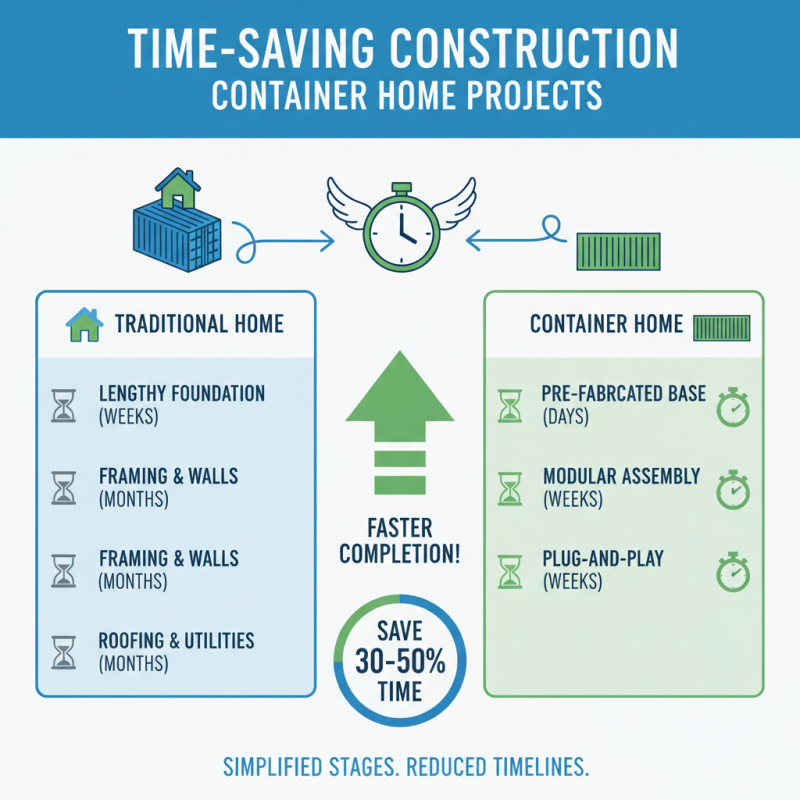
In recent years, finished container homes have gained popularity for various construction projects. The time-saving aspect of these homes stands out. Constructing a traditional house often involves lengthy processes. With container homes, many stages are simplified or even eliminated, which can save valuable time.
The modular nature of shipping containers allows for quicker assembly. Instead of starting from scratch, builders can modify existing structures. Essentially, this reduces the labor hours required for construction. Delivering materials to the site is often more straightforward, too. Containers arrive pre-fabricated, meaning professionals can focus on customization instead of foundational work.
However, not every project is a perfect fit for container homes. Their unique dimensions can limit design options. Builders must carefully consider local zoning regulations. Space constraints may also challenge some designs. Overall, while container homes offer a rapid option for housing, careful planning is crucial to ensure success.