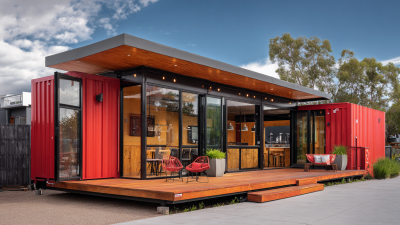
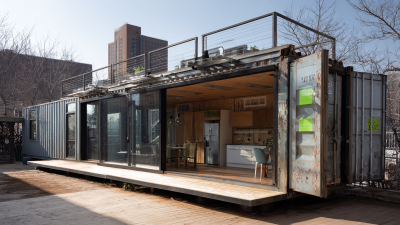
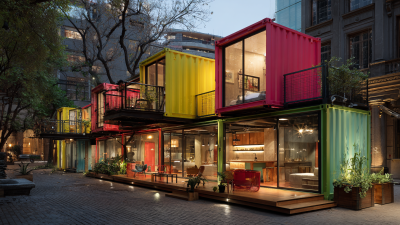
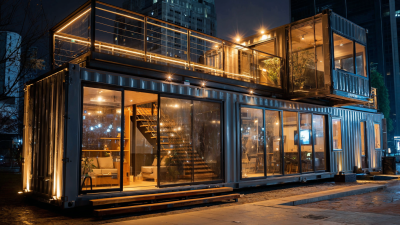
Transform Your Living Space: Top 2025 Cargo Container Homes You Need to See
In recent years, cargo container homes have emerged as a popular and innovative solution for sustainable living and modern architecture. As urban spaces continue to evolve, these unconventional dwellings offer unique designs that can be tailored to meet diverse lifestyle needs. With their adaptable nature and growing popularity, the concept of transforming cargo containers into cozy living spaces represents a significant shift in how we view housing.
By converting used shipping containers into stylish and functional homes, architects and homeowners alike are harnessing the potential of these durable structures. This trend is not only an embodiment of eco-friendly living but also highlights creative design possibilities. In 2025, we anticipate even more outstanding concepts that will redefine what it means to create a home.
Join us as we explore the top cargo container homes of the year that showcase ingenuity, functionality, and aesthetic appeal. These remarkable spaces exemplify how the humble shipping container can be reimagined into luxurious, affordable living environments that cater to modern sensibilities. Discover how cargo containers can transform your living experience and inspire your next home project.
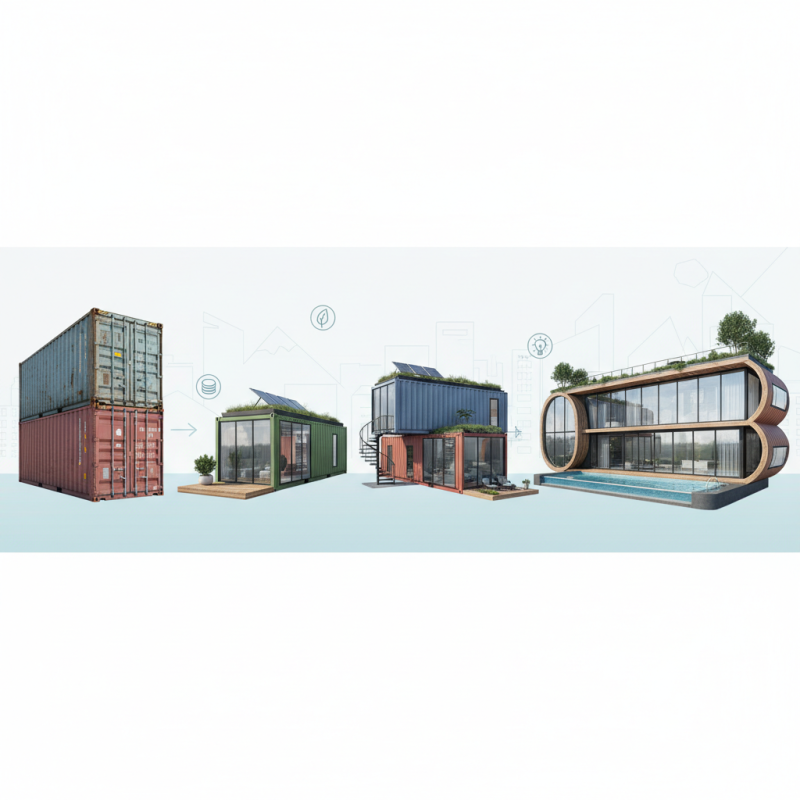
Innovative Design Trends in 2025 Cargo Container Homes
As we step into 2025, the realm of cargo container homes is witnessing a remarkable transformation, driven by innovative design trends that cater to both aesthetics and functionality. One prominent trend is the integration of sustainable materials and energy-efficient technologies. Designers are increasingly adopting green roofs and solar panels, making these homes not just eco-friendly but also cost-effective in the long run. This shift facilitates a harmonious blend of modern living with environmental stewardship, appealing to a growing demographic of eco-conscious buyers.
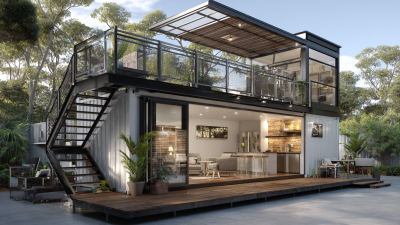
Another significant trend is the emphasis on customizable layouts, which allows homeowners to tailor spaces according to their lifestyle needs. Open concept designs are becoming more prevalent, with movable walls and multi-functional furniture that adapt to various activities throughout the day. This flexibility positions cargo container homes as ideal solutions for urban living, where space optimization is crucial. The use of large windows and outdoor living spaces also enhances the connection with nature, amplifying the overall living experience and blurring the lines between indoors and outdoors. These innovative designs are redefining the possibilities of container homes, making them not only livable but desirable.
Transform Your Living Space: Container Home Design Trends in 2025
Sustainability and Energy Efficiency in Cargo Container Living Spaces
The growing interest in cargo container homes is not just about unique aesthetics; it’s heavily tied to
sustainability and energy efficiency. According to the U.S. Department of Energy, buildings account for about
40% of the country’s energy consumption. By repurposing cargo containers, which are often left unused, we can significantly reduce waste
and the demand for new building materials. These homes, typically made from steel, have a lifespan that can exceed
25 years, offering durability alongside eco-friendliness.
Moreover, the design flexibility of cargo container homes allows for the integration of
various energy-efficient technologies. A report by the International Energy Agency predicts that sustainable building practices could cut
energy-related CO2 emissions by over 50% by 2040. Many cargo container homes incorporate solar panels, rainwater harvesting systems,
and high-performance insulation, enhancing their overall energy efficiency. By utilizing natural heating and cooling strategies, these homes can reduce reliance on
traditional heating systems, further lowering energy costs.
Embracing this innovative housing solution not only leads to reduced environmental impact but also promotes
a sustainable lifestyle in urban settings.
Cost Analysis: Building with Cargo Containers vs. Traditional Homes
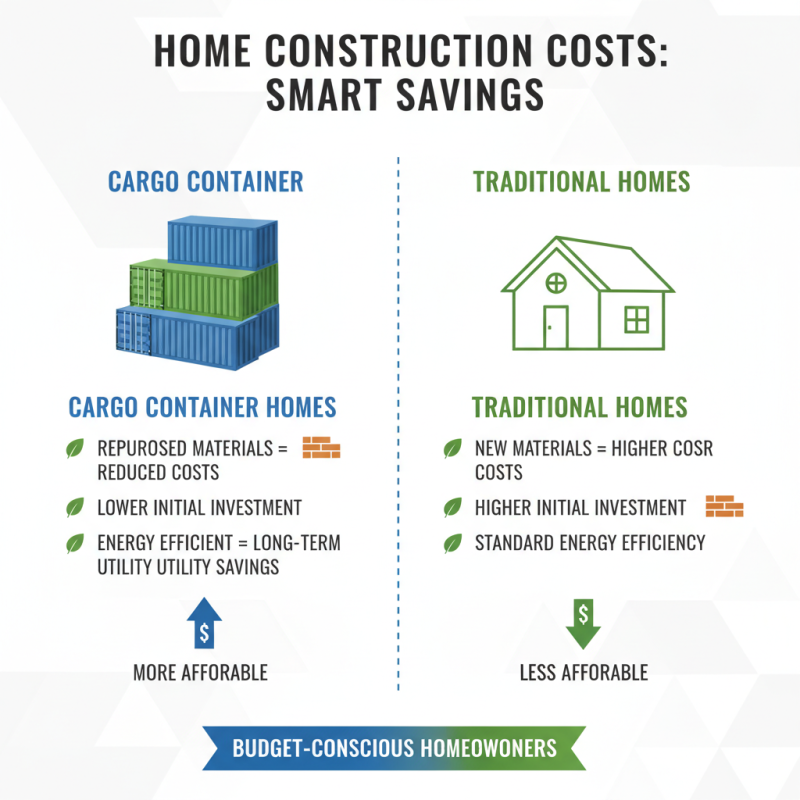
When considering the financial aspects of constructing a home, the comparison between cargo container homes and traditional residences becomes particularly significant. Cargo container homes typically reduce construction costs by utilizing repurposed materials, which provides a substantial savings opportunity. The initial investment for purchasing and modifying these containers can be lower than traditional building materials, especially in regions where housing prices continue to rise. Additionally, the energy efficiency of cargo container homes can lead to long-term savings on utility bills, making them an attractive option for budget-conscious homeowners.
While traditional homes may offer more versatility in design and size, they often come with increased costs related to land acquisition, foundation work, and extensive labor. On the other hand, container homes can be constructed on smaller plots of land and can often bypass certain building regulations, leading to quicker project completions and lower overall expenses. However, it’s essential to consider local zoning laws and potential renovation costs for the containers themselves. Ultimately, choosing between the two options will depend on the budget, desired aesthetics, and specific housing needs, but the financial benefits of cargo container homes are compelling for many prospective buyers.
Spatial Optimization: Maximizing Functional Areas in Container Homes
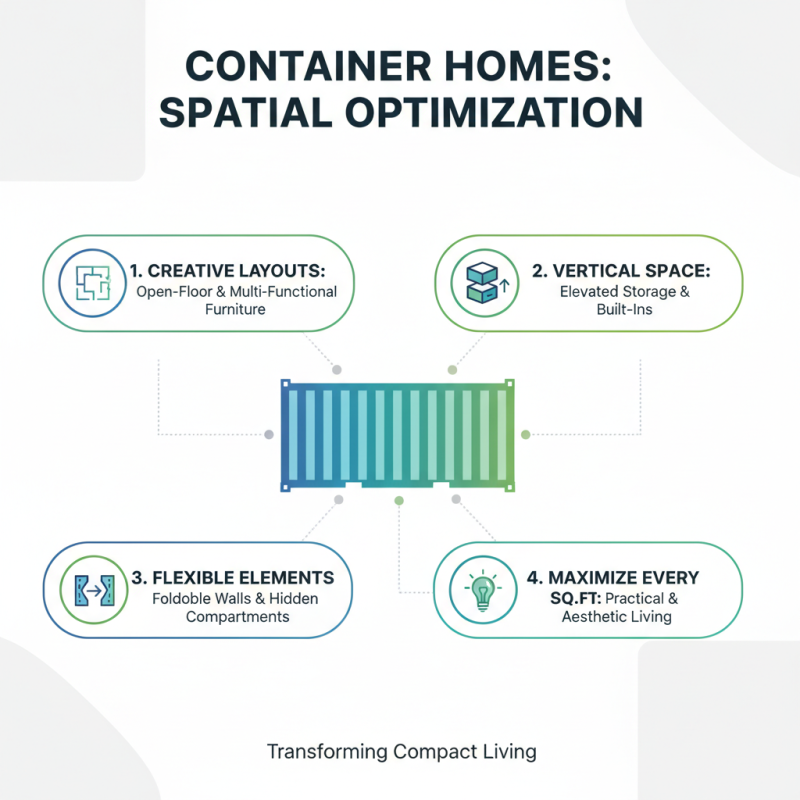
Container homes have emerged as a revolutionary solution for modern living, emphasizing spatial optimization in a compact environment. With the right design approaches, these homes can transform limited spaces into functional and aesthetically pleasing areas. Creative interior layouts, such as open floor concepts and multifunctional furniture, allow residents to maximize every square foot. By utilizing vertical space for storage and incorporating built-in elements like foldable walls or hidden compartments, container homes can provide an unexpectedly spacious feel while maintaining practicality.
Another effective strategy for enhancing the functionality of container homes is the integration of outdoor spaces. By blending indoor and outdoor living, homeowners can create seamless transitions that extend their usable areas. Decks, patios, and green rooftops not only add additional square footage but also improve the overall ambiance. Implementing large windows and sliding doors further invites natural light, making the interiors feel brighter and more expansive. As the influence of container homes grows, focusing on spatial optimization will remain essential for those looking to embrace sustainable living without sacrificing comfort or style.
Case Studies: Successful Cargo Container Home Projects Around the World
Cargo container homes have gained immense popularity, showcasing innovative design and sustainability. Across the globe, numerous successful projects illustrate how these homes can harmoniously blend functionality and aesthetics. For example, in Norway, a stunning hillside cargo container home provides panoramic views and incorporates eco-friendly features, perfectly demonstrating how creativity can transform austere materials into luxurious living spaces. Similarly, in Australia, a community of container homes emphasizes social interaction and sustainable living, proving that efficiency and charm can coexist.
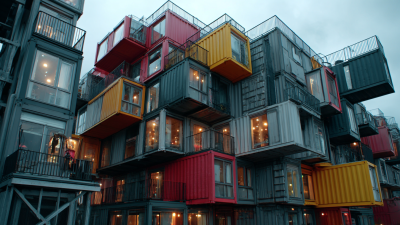
When considering a cargo container home, keep these tips in mind: First, location is key. Choose a site that complements the structure and provides access to necessary utilities. Second, think about insulation and ventilation to ensure comfort throughout the year, as container homes can be quite hot in summer and cold in winter. Also, explore the possibility of stacking or arranging containers creatively to maximize both space and aesthetic appeal, allowing for unique designs that reflect personal style.
These case studies not only inspire but also provide valuable insights into the logistics of building with cargo containers. As individuals around the world embrace this unique housing solution, it becomes clear that these projects challenge traditional conventions and open the door to a new era of sustainable living.
Transform Your Living Space: Top 2025 Cargo Container Homes
| Location |
Size (sq ft) |
Number of Containers |
Architectural Style |
Key Features |
Completion Year |
| Austin, TX, USA |
1,200 |
3 |
Modern |
Solar panels, Green roof, Open floor plan |
2023 |
| Tokyo, Japan |
900 |
2 |
Minimalist |
Smart home tech, Modular design |
2022 |
| Cape Town, South Africa |
1,500 |
4 |
Industrial |
Panoramic views, Rooftop terrace |
2024 |
| Melbourne, Australia |
1,000 |
2 |
Rustic |
Wooden deck, Eco-friendly materials |
2023 |
| Vancouver, Canada |
1,300 |
3 |
Contemporary |
Large windows, Energy-efficient |
2025 |