Containers in Motion

Top 10 Cosmetic Bottle Manufacturers for Global Buyers

Choosing a packaging partner can shape a beauty product’s quality, cost, and shelf appeal. A Cosmetic Bottle must protect its formula while fitting the brand’s look, filling process, and budget. A polished sample is only one part of the decision.

This guide introduces ten manufacturers serving global buyers, from established packaging groups to suppliers with more focused capabilities. It considers practical factors such as material choices, bottle styles, customization options, production capacity, quality controls, and communication. Details matter. A cap that leaks during transit or a pump that dispenses unevenly can create costly problems. Buyers should request current specifications, samples, and clear information about minimum order quantities before making commitments.

The companies listed may suit different needs; no single supplier is ideal for every project. Some excel at glass packaging, while others offer broad plastic ranges or decoration services. Product catalogs and capabilities can change, so verify claims directly with each manufacturer. This comparison is a starting point, not a substitute for testing samples under real filling and shipping conditions. Even careful research has limits. A supplier’s fit often becomes clear only after technical questions, sample reviews, and a candid discussion of timelines.
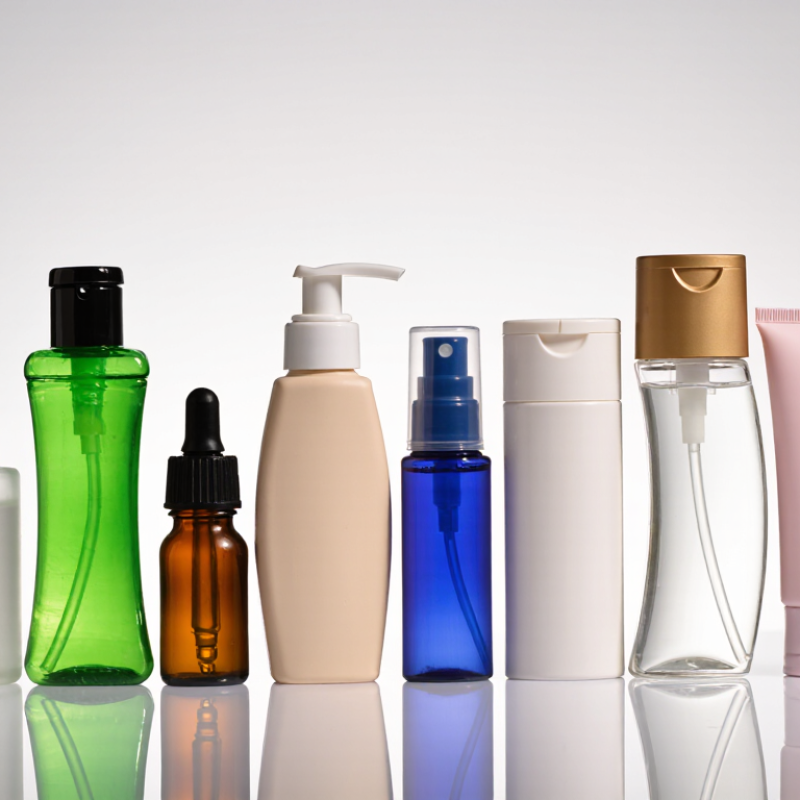
Top 10 Cosmetic Bottle Manufacturers for Global Buyers

What Cosmetic Bottle Manufacturers Produce and How They Operate

Cosmetic bottle manufacturers translate a product brief into packaging that protects a formula and works smoothly in daily use. Teams review viscosity, light sensitivity, dispensing needs, target volume, and filling-line limits. They may recommend glass, PET, or HDPE, then develop a bottle, closure, and pump combination. Small details matter.

Operations usually move through design, tooling, sampling, production, and inspection. A prototype is checked for fit, leakage, surface defects, and consistent dispensing. Compatibility testing may also be needed because some formulas interact with packaging materials. Under deadline pressure, this step is easy to skip—and often regretted. Once approved, bottles are molded, decorated, and packed. A polished sample can still hide a weak pump or a cap that loosens during shipping. Clear tolerances and quality records help buyers assess consistency, but testing the intended formula remains essential.

Tips: Request production samples, not only appearance samples. Confirm minimum order quantities, lead times, and carton protection in writing. Test the actual formula and filling line before scaling. It takes extra time, but appearance alone tells you very little about everyday performance.

Key Criteria for Evaluating Global Cosmetic Bottle Suppliers

Choosing a cosmetic bottle supplier starts with the product, not the catalogue. Check that the bottle material suits the formula and dispensing method. Oils, creams, and watery serums can behave differently in the same package. Request samples and test them with the actual product. Look for leakage, changes in color or odor, and pumps that dispense consistently. Small checks matter.

Production capability deserves close review. Ask about mold ownership, quality checks, minimum order quantities, and typical lead times. Request examples of inspection records and dimensional tolerances, rather than relying on broad assurances. Ask for evidence. A supplier should explain how it handles defects and repeat orders. If possible, compare samples from different production runs; one perfect sample does not prove consistency at scale.

Global buyers should also assess communication and shipping readiness. Confirm packing methods, export documentation, delivery estimates, and who updates you when schedules change. Sustainability claims need specific support, such as material composition or recycled-content details. Do not assume a claim applies to every component. A capable supplier may still be a poor fit if its tooling, order size, or timelines do not match your plans. Supplier scorecards help, but they are not perfect; requirements can shift after testing begins. Keep key decisions and agreed specifications in writing.

Profiles of Ten Leading Cosmetic Bottle Manufacturers

The ten profiles below highlight different strengths found among established cosmetic bottle manufacturers. A glass specialist may offer thick, clear walls and custom color matching for premium skincare. A PET producer often focuses on lightweight bottles and reliable output for daily-use products. A small-batch workshop can support unusual shapes, though lead times may vary. One supplier may excel at airless systems, while another focuses on precise pumps and spray closures. A decoration-focused manufacturer can provide screen printing or frosting. Check how samples look under bright light.

Other manufacturers may stand out for recycled-material options, regional distribution, mold development, or quality-control systems. A high-volume producer can offer consistent dimensions across large orders. A design-led factory may help refine shoulder curves, neck finishes, and label panels. Not every supplier will perform equally across all ten areas. Some catalog details may also need direct confirmation, so request written specifications and recent production samples before comparing quotes.

Tips: Ask for bottle capacity, material grade, closure compatibility, and tolerance data. Test filled samples for leakage and dispensing consistency. Keep notes; small differences matter. Evaluate packaging performance alongside appearance, minimum order quantity, and delivery schedules.

Comparing Materials, Customization, Quality, and Production Capacity

A useful top-ten comparison starts with the bottle itself: its material, wall thickness, closure, and compatibility with the formula. PET is light and resists shattering; glass offers a heavier feel but adds shipping weight. Not every material suits every product. OECD’s Global Plastics Outlook reported that packaging generated 40% of global plastic waste in 2019, a reminder to ask suppliers about recycled content and end-of-life options.

Customization should be judged on repeatability, not just an attractive sample. Ask whether a manufacturer can match color across production runs, control print placement, and supply compatible pumps or caps. PlasticsEurope’s Plastics – the Fast Facts 2024 estimated global plastics production at 413.8 million tonnes in 2023. Large supply does not prove that a specific factory can trace recycled content or meet a buyer’s specification. Samples reveal much.

Quality checks should cover dimensions, leakage, decoration adhesion, and closure fit. Request test records and clear acceptance limits. Capacity needs proof. Compare stated monthly output with mold availability, lead times, and backup production plans. A polished sample can still hide uneven batch control; buyers should inspect pilot runs and confirm how defects are handled before placing large orders.

Cosmetic Bottle Materials: Representative Density Comparison

Density affects packaging weight and material use. These representative values are for common material types, not specific manufacturers; actual density varies by grade and formulation. Density alone does not determine packaging quality, customization options, or production capacity.

Matching Suppliers to Global Buyers’ Sourcing Requirements

Global buyers should match cosmetic bottle manufacturers to the job, not just the quoted unit price. Start with the bottle’s material, capacity, closure, and decoration needs. A glass bottle may suit a premium serum, while lightweight plastic can reduce shipping weight for larger orders. Ask suppliers for drawings, sample lead times, minimum order quantities, and production schedules. Confirm that pumps and caps fit securely; a small mismatch can cause leakage or slow filling.

Tips: Request samples made with the intended material and closure. Check them on your filling line, then test for leaks and surface damage after transport simulation. Small details matter. Compare quotes using the same specifications, including packaging and inspection steps. A low price is less useful if key costs appear later.

For cross-border sourcing, discuss how the supplier handles quality checks, export packing, and communication across time zones. Ask for inspection records and a clear process for reporting defects. A neat spreadsheet can still hide risks: sample quality may not reflect a full production run. Consider a pilot order before committing to larger volumes. Test before scaling. Also review how the manufacturer manages design changes, since even a minor color or neck-finish adjustment can affect tooling, timing, and compatibility. Sourcing plans are rarely perfect; leave room for delays and rechecks.