Top 10 Container Homes Sizes That Suit Your Needs?
Container homes have gained immense popularity for their versatility and eco-friendliness. Many people seek a unique living space that meets their individual needs. The right choice hinges on understanding container homes sizes. The size affects not only the aesthetics but also the functionality and livability of these homes.
Choosing a container home requires careful consideration. Some sizes are perfect for small families, while others suit larger groups. For instance, a single container can serve as a cozy studio, while multiple containers can create spacious multi-bedroom homes. It’s essential to think about your lifestyle and requirements when evaluating container homes sizes. Reflecting on this can be challenging, as personal preferences vary widely.
Realizing the right size isn't always easy. You might be tempted by larger options, but bigger isn’t always better. Space must be balanced with comfort. A larger space may feel overwhelming and hard to manage. Evaluate your true needs to ensure you’re not overextending yourself. Keep in mind that the essence of container living is efficiency and sustainability.
Understanding Container Home Sizes and Options
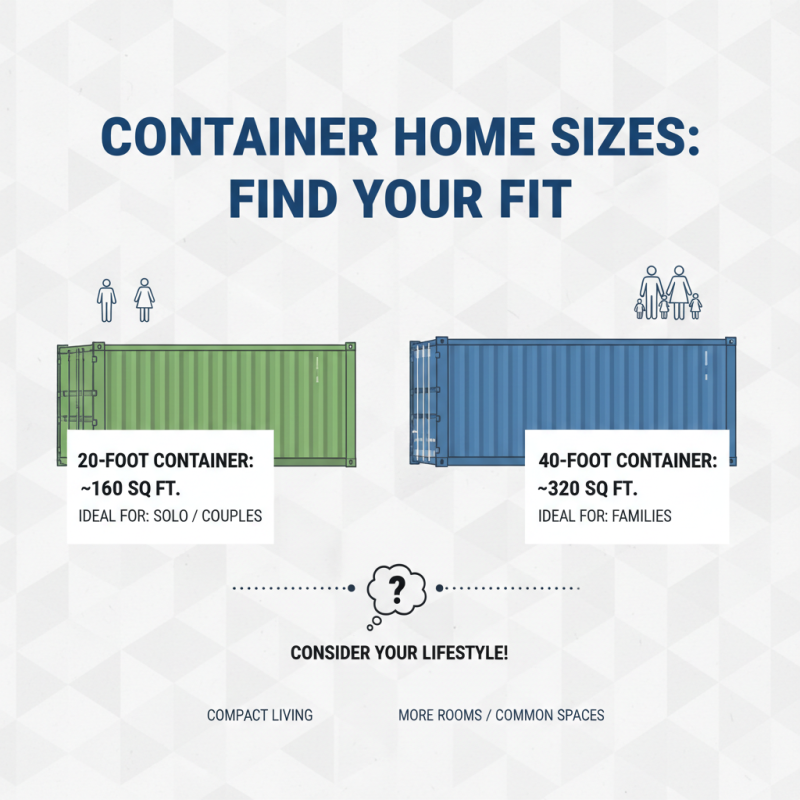
When considering container homes, size is crucial. Different sizes cater to varying needs. Think about your lifestyle and what you require in a living space. A standard 20-foot container offers about 160 square feet. For individuals or couples, this may suffice. However, larger families may need a 40-foot container. This provides around 320 square feet, allowing for more rooms or common spaces.
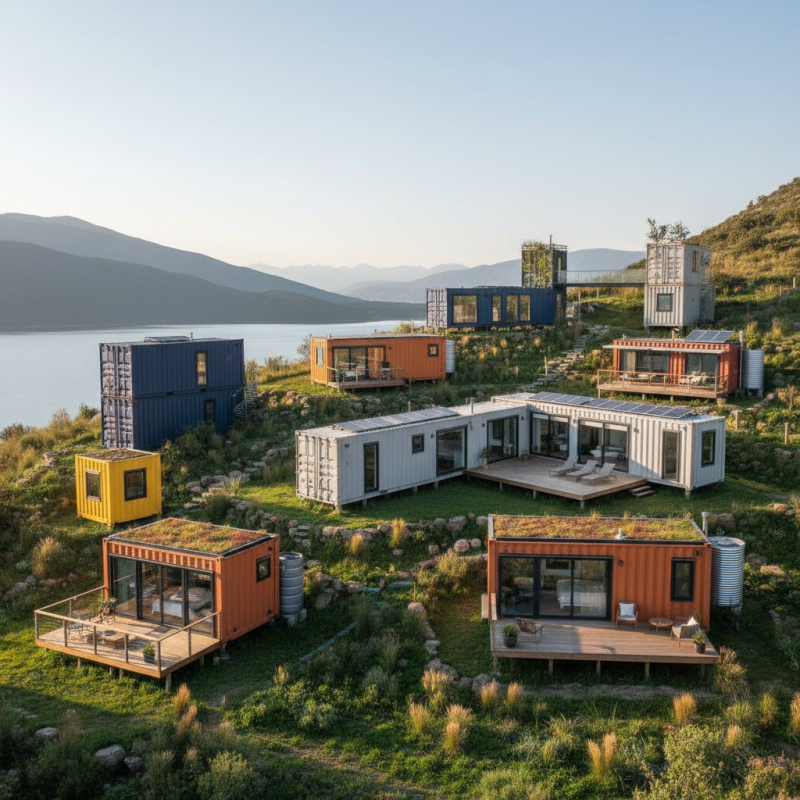
Custom options exist as well. You can combine multiple containers to create larger structures. This setup might allow for two bedrooms, a kitchen, and a living area. It’s important to note that these configurations have limitations. Connection points can complicate the design and construction. You need to plan carefully to maximize space and functionality.
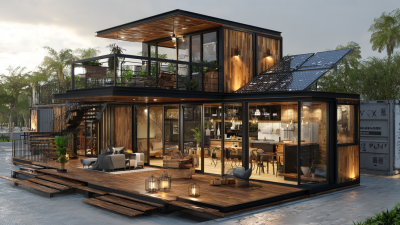
Visualize what your container home looks like. A well-thought layout enhances daily life. However, creating an efficient design is challenging. Balancing aesthetics with practicality requires thought. It’s easy to overlook storage needs or the flow of space. Asking for feedback during planning helps avoid common missteps. Think of it as an evolving project, where adjustments may be necessary.
Benefits of Different Container Home Sizes
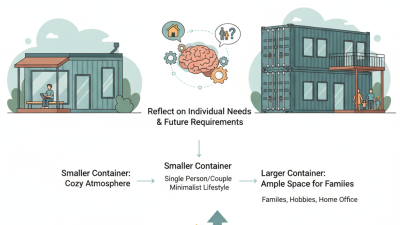
When choosing a container home, size matters. Smaller containers, like 20-foot options, offer a cozy living space. They are perfect for singles or couples. On the other hand, a 40-foot container provides more room. This size accommodates families and gives room for more customization. Think about your lifestyle before deciding.
Each size has unique benefits. Smaller units are cheaper and easier to transport. They may also require fewer materials for modifications. However, larger containers allow for greater designs and functionalities. You can add multiple rooms or multifunctional spaces. This will suit families seeking more comfort.
Not every choice will be perfect. A tiny container may feel cramped for some. It might lack essential features like storage. Larger containers can be overwhelming too, depending on location. They might need more insulation and climate control. Reflect on what fits your needs best. Every decision deserves consideration to create a home that truly works for you.
Factors to Consider When Choosing Container Home Sizes
When selecting the right size for a container home, several factors come into play. Understanding your lifestyle needs is key. A smaller unit may suffice for a single person, while a family might require multiple containers or larger space. Research indicates that a standard 40-foot container offers about 320 square feet of space, providing room for essential living areas.
Think about mobility too. If you plan to move, smaller containers are easier to transport. A 20-foot container may be more feasible, boasting flexibility while still being cozy. Consider climate as well; larger homes may need more insulation.
Tips: Always measure your desired layout before deciding. Visualizing your space helps identify if a smaller size suits your needs. Also, check your local zoning laws to ensure compliance.
A common pitfall is assuming more space means better living. Overcrowding can occur in larger homes without proper planning. Invest time in understanding your lifestyle and space requirements. Your perfect container home size is the one that meets your practical needs while avoiding unnecessary complications.
Top 10 Container Homes Sizes That Suit Your Needs - Factors to Consider When Choosing Container Home Sizes
| Size (ft) |
Square Footage |
Ideal For |
Number of Rooms |
Additional Features |
| 20x8 |
160 |
Single Occupancy |
1 |
Kitchenette, Bathroom |
| 40x8 |
320 |
Couples, Small Families |
1-2 |
Living Area, Bathroom, Kitchen |
| 20x10 |
200 |
Home Office |
1 |
Workspace, Storage |
| 40x12 |
480 |
Larger Families |
2-3 |
Open Living Space, 2 Bathrooms |
| 20x30 |
600 |
Luxury Living |
3-4 |
High-End Finishes, Multiple Rooms |
| 40x20 |
800 |
Medium Families |
3 |
Living Room, Kitchen, 2 Bedrooms |
| 45x10 |
450 |
Compact Living |
1-2 |
Sleek Design, Minimalist Style |
| 10x40 |
400 |
Tiny Home Living |
1 |
Open Concept, Efficient Use of Space |
| 30x10 |
300 |
Vacation Home |
1-2 |
Leisure Space, Outdoor Access |
| 50x8 |
400 |
Multi-Purpose |
2-3 |
Flex Space, Home Gym |
Popular Container Home Sizes for Various Lifestyles
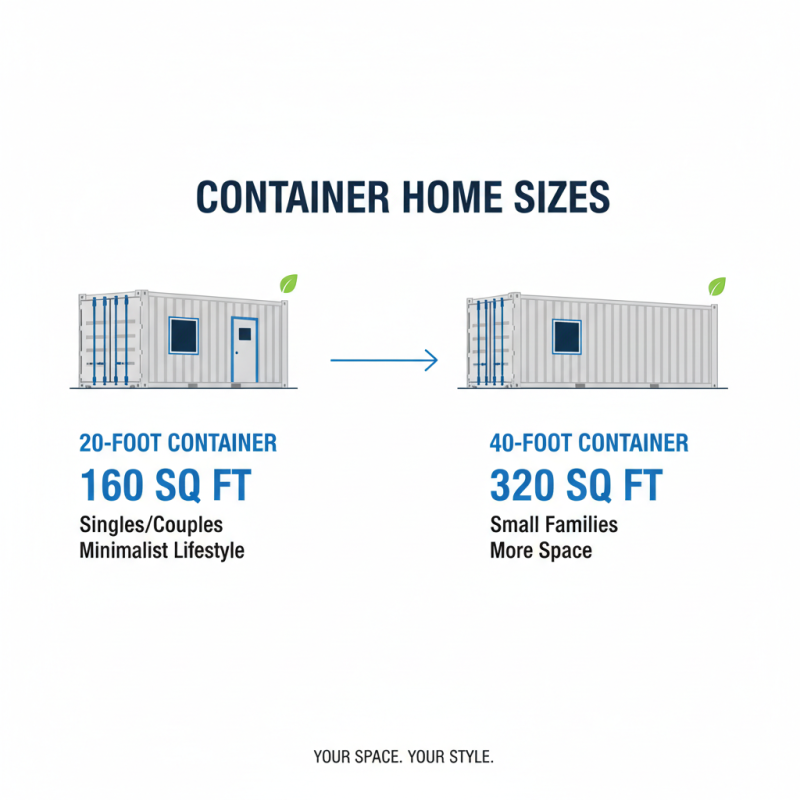
When considering container homes, size matters. Popular sizes meet various lifestyle needs. Standard 20-foot containers offer about 160 square feet of livable space. This size suits singles, couples, or those seeking a minimalist lifestyle. A 40-foot container expands that to about 320 square feet. This is ideal for small families.
Reports indicate that many urban dwellers prefer compact living. Container homes can often be fitted with efficient layouts. Smart design can include modular kitchens and multifunctional furniture. For example, a 40-foot container could serve as a two-bedroom unit. The trend shows that 60% of new homeowners opt for energy-efficient solutions. Such decisions resonate particularly well with those focused on sustainability.
However, not all sizes fit all situations. A larger, 45-foot container provides extra room for hobbies or office space. This size can become overwhelming in smaller plots. Additionally, potential structural challenges arise when stacking containers. There’s a balance between space and practicality that needs to be evaluated carefully. Making the right choice requires introspection and a clear understanding of one's needs.
Maximizing Space in Container Homes of All Sizes
Container homes are a unique solution for modern living. Their modular design allows for endless possibilities when it comes to maximizing space. Different sizes can cater to various needs, making container homes versatile. A 20-foot container can serve as a cozy studio or office. Meanwhile, a 40-foot container provides more room for a family or specialized spaces.
It’s essential to consider the layout carefully. Open designs enhance the flow, making small spaces feel larger. Clever storage solutions, like utilizing vertical space or multi-functional furniture, can also optimize living areas. However, many overlook the potential of outdoor extensions. Adding a deck or garden can dramatically expand usable space, allowing for both relaxation and functionality.
Remember, aesthetics and practicality must coexist. Not all designs work for everyone. Some may end up feeling cramped despite the size. In contrast, others may find joy in minimalism. It's crucial to reflect on individual needs before choosing a size. Each container home tells a story, shaped by the choices and creativity of its owner.
Top 10 Container Homes Sizes That Suit Your Needs
This chart illustrates the recommended sizes of container homes that can optimize space according to different living needs. Each size category is measured in square footage and represents common preferences among prospective homeowners.