2025 Top 5 Ocean Container Homes for Sustainable Living
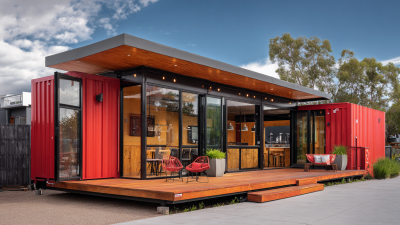
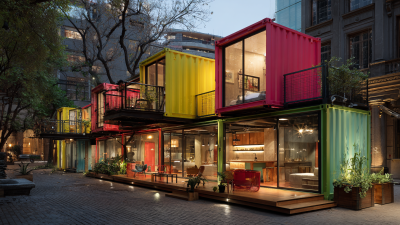
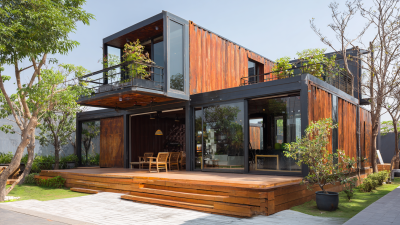
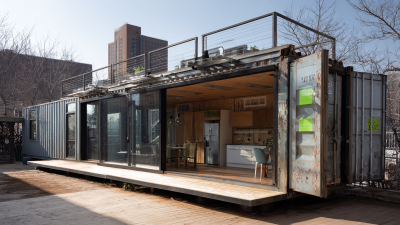
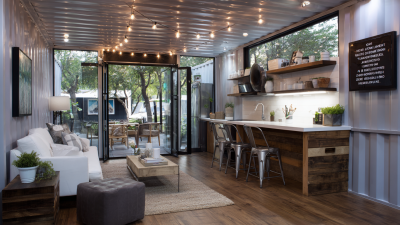
In the pursuit of sustainable living, innovative housing solutions are emerging from unconventional sources, notably ocean container homes. These repurposed shipping containers offer not only an eco-friendly alternative to traditional housing but also a stylish and modern aesthetic. The concept of using ocean containers for homes reflects a growing awareness of environmental issues and the need for resource-efficient living. As we look towards 2025, the trend of ocean container homes is set to gain momentum, appealing to environmentally conscious individuals and families seeking to minimize their carbon footprint.
This article will explore the top five ocean container homes that epitomize sustainable living, showcasing how these structures can integrate seamlessly into their surroundings while addressing the challenges of modern housing demands. From their energy-efficient designs to their cost-effectiveness, ocean container homes represent a bold step towards a greener, more sustainable future. Join us as we delve into the features and benefits of these remarkable living spaces, highlighting why they are becoming a viable choice for many in the coming years.
Innovative Ocean Container Homes: Merging Sustainability and Modern Design
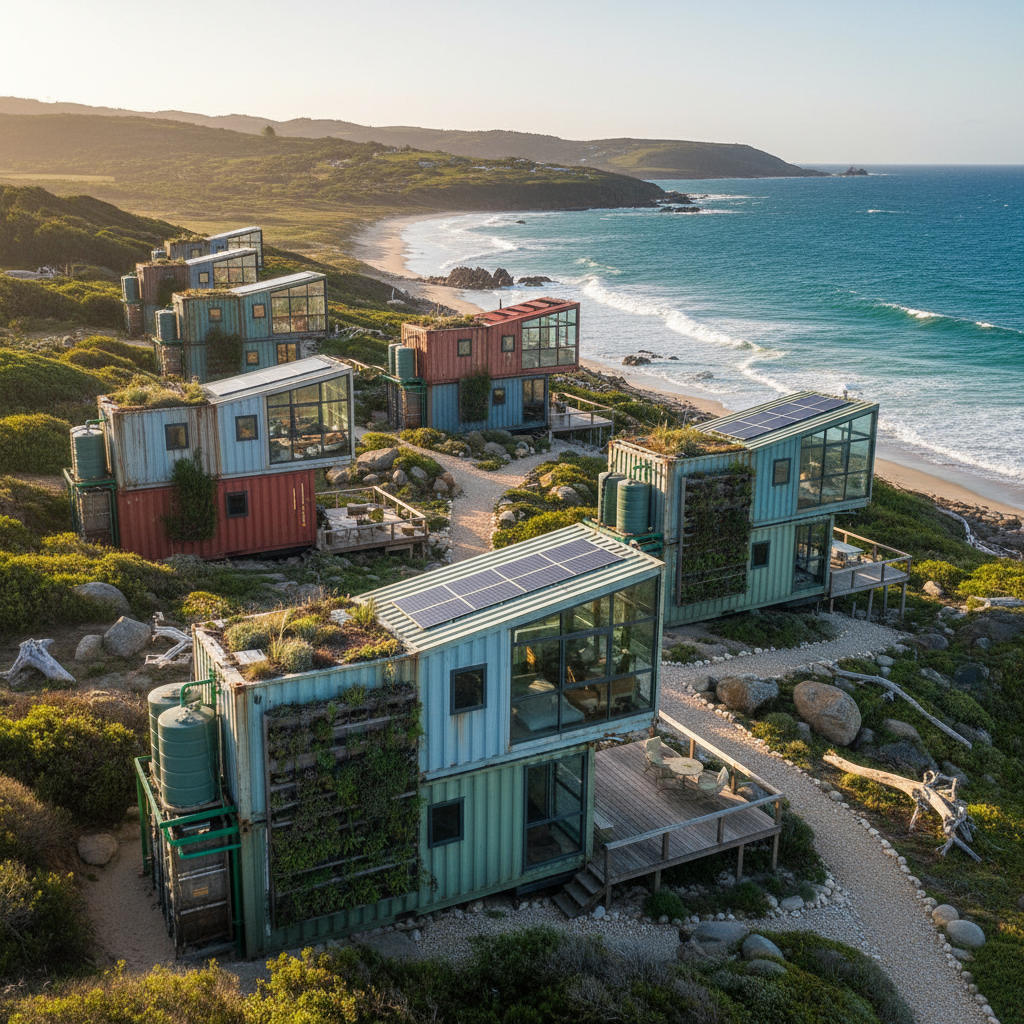
As the world increasingly grapples with the challenges of climate change, innovative housing solutions are coming to the forefront. Ocean container homes are a prime example of merging sustainability with modern design. By repurposing shipping containers, these homes not only provide a sustainable living option but also drastically reduce the carbon footprint associated with traditional building materials. According to a 2022 study by the Global Sustainable Housing Coalition, utilizing repurposed materials like shipping containers can cut construction waste by up to 90%, making them an eco-friendly alternative in today's housing market.
Furthermore, ocean container homes boast impressive energy efficiency features. The U.S. Department of Energy reports that such modular homes can reduce energy consumption by over 30% compared to conventional homes when designed with energy-efficient systems and materials. With their sleek, modern aesthetic, these homes provide both functionality and style, appealing to a growing demographic of environmentally conscious consumers. The trend is not just limited to aesthetics; innovative designs include green roofs and solar panel installations, allowing homeowners to embrace sustainable living without compromising on comfort or beauty.
2025 Top 5 Ocean Container Homes for Sustainable Living
| Home Model |
Size (sq ft) |
Energy Efficiency Rating |
Material Used |
Estimated Cost ($) |
| Coastal Breeze |
500 |
A+ |
Recycled Steel & Glass |
75,000 |
| Eco Haven |
750 |
A |
Reclaimed Wood & Insulation |
90,000 |
| Sustainable Oasis |
600 |
A+ |
Cork & Composite Materials |
80,000 |
| Minimalist Escape |
400 |
B+ |
Steel & Eco-Friendly Paint |
65,000 |
| The Green Retreat |
800 |
A++ |
Sustainable Timber & Glass |
100,000 |
The Rise of Shipping Container Homes: Industry Statistics and Market Growth Projections
The trend of converting shipping containers into homes is gaining tremendous momentum globally. As more consumers become environmentally conscious, the appeal of sustainable living through container homes is evident in significant industry statistics. The market for shipping container homes is projected to grow substantially; analysts estimate a compound annual growth rate (CAGR) of approximately 6.5% over the next few years. This growth is fueled by the affordable, eco-friendly, and innovative nature of container homes, which offer a unique solution to modern housing challenges.
Moreover, the demand for sustainable living options has led construction companies to explore and invest in container home designs. As urbanization continues, traditional housing options are becoming increasingly limited, making shipping container homes an attractive alternative. This shift not only supports a sustainable lifestyle but also promotes the use of recycled materials, reducing waste and lowering the carbon footprint. As the market expands, we can expect to see advancements in design and technology, making container homes even more appealing to a broader range of consumers seeking sustainable living solutions.
2025 Projected Growth of the Shipping Container Home Market
This chart illustrates the projected growth of the global shipping container home market from 2019 to 2025. As sustainability practices gain traction and housing demands evolve, the market is expected to reach approximately $7 billion by 2025.
Eco-Friendly Features: Energy Efficiency and Waste Reduction in Container Homes
Container homes are rapidly gaining popularity as sustainable living solutions, with a focus on eco-friendly features like energy efficiency and waste reduction. According to a recent report by the World Green Building Council, buildings contribute to nearly 39% of global greenhouse gas emissions, making the construction and design of homes an essential area for improving sustainability. Container homes, repurposed from shipping containers, utilize existing materials, significantly reducing the demand for new construction resources and minimizing waste.
Energy efficiency in container homes is often achieved through innovative design and technology. For instance, installing solar panels can provide a reliable source of renewable energy, with studies showing that homes equipped with solar energy can reduce energy costs by up to 70%. Additionally, features such as high-performance insulation can keep temperature regulation efficient, further decreasing energy consumption. The use of sustainable materials, such as recycled insulation and low-VOC paints, also aligns with eco-friendly living, supporting both indoor air quality and environmental health.
Waste reduction in container homes is equally vital. By reusing shipping containers, builders divert large amounts of waste from landfills, contributing to a circular economy. Moreover, innovative plumbing solutions, like rainwater harvesting systems, can drastically lower water consumption and promote conservation. Research from the U.S. Environmental Protection Agency indicates that every gallon of water saved has significant environmental implications, proving that container homes exemplify a responsible choice for those aiming to minimize their ecological footprint.
Cost Analysis: Affordability of Ocean Container Homes Compared to Traditional Housing
The rising cost of traditional housing has fueled interest in ocean container homes as a viable alternative for sustainable living. Recent reports indicate that the UK's innovative approach to address the affordable housing crisis includes transforming shipping containers into livable spaces. This trend highlights the flexibility and cost-effectiveness of container construction, making it an attractive option for those seeking economical housing solutions. With the global container homes market projected to grow from USD 60.02 billion in 2024 to USD 95.74 billion by 2033, the appeal of these alternative homes is gaining momentum.
In comparison to conventional housing, ocean container homes typically come with lower initial investment costs. Reports suggest that new prefabricated models can be found starting at around €7,000, providing an affordable entry point for those exploring sustainable living. While many individuals remain attached to traditional homes due to their familiarity, the efficiency and lower construction costs associated with container homes present a compelling case for a shift in housing paradigms. As authorities and architects continue to innovate with shipping containers, affordability and sustainability may redefine modern living standards.
Future Trends: Advancements in Sustainable Living Solutions for Ocean Container Homes
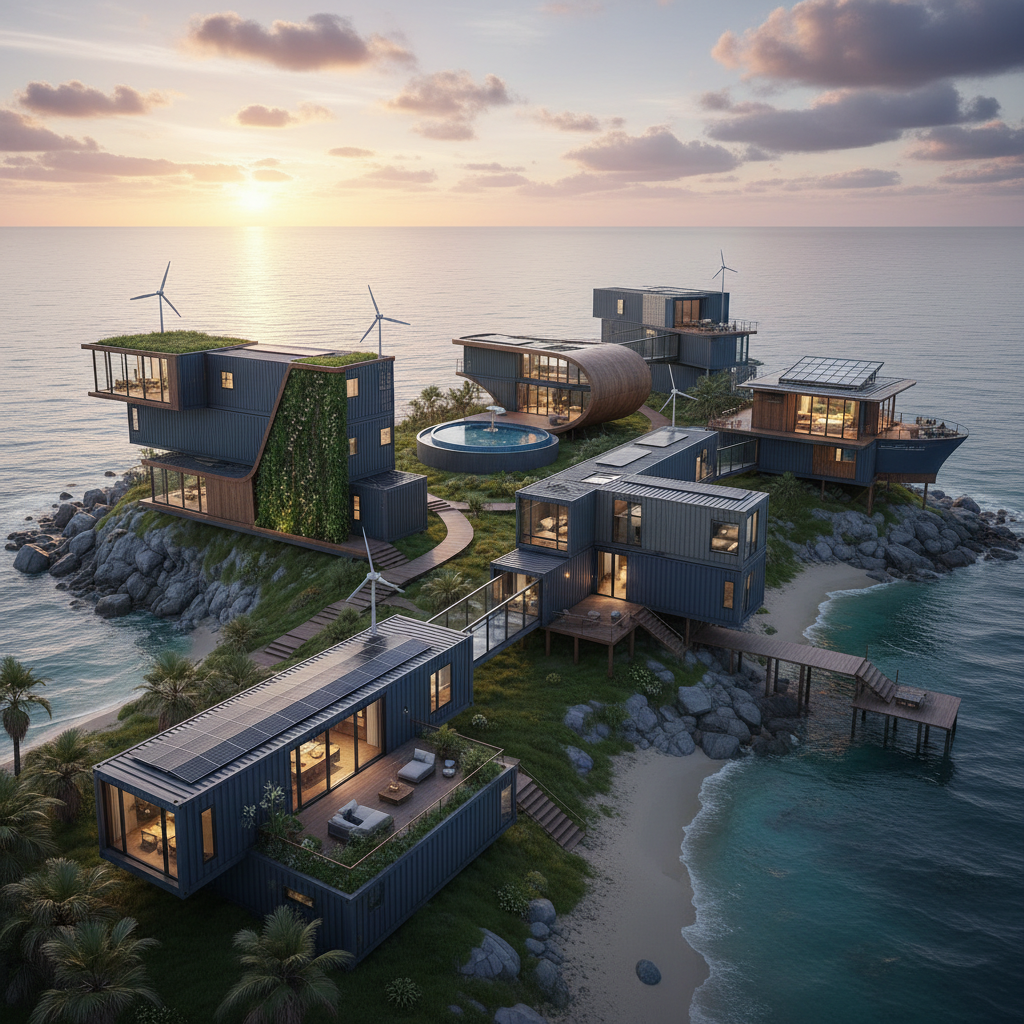
As we move towards an increasingly sustainable future, ocean container homes are at the forefront of innovative living solutions. These homes not only repurpose shipping containers, significantly reducing waste, but also offer a versatile platform that can be combined with cutting-edge technologies. The integration of solar panels, rainwater harvesting systems, and energy-efficient appliances ensures that these structures remain eco-friendly while providing modern conveniences.
Moreover, advancements in design techniques are enhancing the livability of these container homes. Architects are experimenting with modular layouts and green roofs, which not only improve energy efficiency but also promote biodiversity. This trend reflects a broader movement towards regenerative living, where homes contribute to their environment rather than deplete it. In 2025, we expect to see a surge in community-focused container home projects that emphasize collaboration and shared resources, ultimately fostering a sense of stewardship for the Earth.