Containers in Motion

What Are the Top 10 Wireless Lock Suppliers Worldwide?

The global demand for secure, connected access is reshaping commercial, residential, and hospitality security. A Wireless Lock can reduce wiring work, support remote management, and improve access visibility when properly specified. However, performance depends on more than product appearance or marketing claims.

This guide examines ten leading Wireless Lock suppliers worldwide through practical and professional criteria. These include product reliability, encryption practices, battery performance, installation flexibility, software integration, certifications, and after-sales support. Supplier experience also matters, especially in large hotels, offices, warehouses, and apartment buildings where access events must remain traceable. A strong supplier should provide clear documentation, responsive technical assistance, and realistic maintenance guidance.

No ranking is perfect. Regional standards, building materials, climate, and user habits can change the final choice. A lock that performs well in a dry office may require different planning in a humid coastal property. Battery alerts may also arrive too late if managers ignore routine inspections. That gap matters.

The companies discussed here are assessed from an international buyer’s perspective, not from promotional claims alone. Public product information, industry reputation, deployment experience, and support capabilities help shape the comparison. Readers should still verify current specifications, compatibility, warranty terms, and local compliance before making a purchase. Security deserves careful judgment.
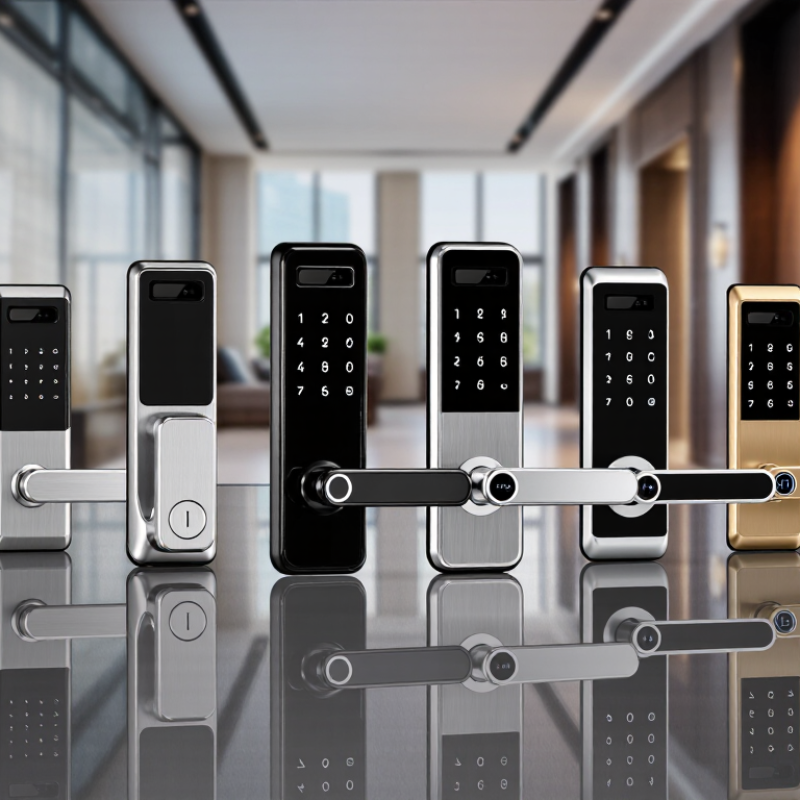
What Are the Top 10 Wireless Lock Suppliers Worldwide?

What Are Wireless Locks and How Do They Work?

Wireless locks remove the need for a traditional key and hardwired connection at the door. A battery-powered reader receives a credential through Bluetooth, NFC, keypad, or a secure radio signal. The lock then checks that credential against approved permissions. Some decisions happen inside the lock. Others use a nearby gateway connected to management software. This design suits offices, apartments, storage rooms, and controlled internal areas. It also supports the wider market served by wireless lock suppliers worldwide.

In daily operation, an authorized user presents a phone, card, code, or token. The reader wakes, verifies the data, and moves a motor or clutch. A short green light and a quiet click usually confirm access. Event records may show who entered and when, depending on the system. Encryption, rotating credentials, device authentication, and limited administrator privileges reduce avoidable exposure. Yet “wireless” does not mean maintenance-free. Thick walls, metal doors, radio congestion, and weak batteries can affect performance. That assumption is not always right.

Reliable deployment begins with a site survey and a clear power plan. Installers should test range, door alignment, emergency behavior, and offline access before handover. Battery alerts need a defined owner and replacement schedule. Managers should also ask how permissions are removed when a worker leaves. Some systems continue operating during an internet outage, while others lose remote features but keep local decisions. Specifications can sound perfect on paper. Real doors are less cooperative, especially when humidity, heavy use, or poor installation enters the picture.

What Criteria Identify the Leading Global Wireless Lock Suppliers?

A credible top-ten list should measure more than shipment volume. Leading wireless lock suppliers show proven performance in apartments, hotels, offices, and industrial sites. Field experience matters: installers check battery access, radio range, emergency power, and mobile commissioning before approving a system. Evidence matters. Certification under recognized security and wireless standards also strengthens supplier credibility.

Market data supports this stricter approach. Grand View Research estimated the global smart lock market at about USD 2.4 billion in 2023, with strong growth expected through 2030. MarketsandMarkets also forecasts rapid expansion, although its figures differ because market definitions vary. These reports suggest demand is rising, but growth alone does not identify the best supplier. A leading company should publish encryption practices, penetration-test results, firmware policies, and documented uptime data.

Interoperability is another decisive criterion. Systems should support established wireless protocols, access-control software, audit trails, and reliable offline operation. Battery performance deserves practical testing, not brochure promises; a lock installed on a cold exterior door behaves differently from one inside a heated office. Supplier rankings should also examine warranty response, replacement speed, cybersecurity updates, and total ownership cost. No scorecard is perfect. Some evaluations still overvalue technical features and undervalue local service. Independent certification, transparent testing, and verified customer references provide a more dependable comparison.

Which 10 Wireless Lock Suppliers Lead the Worldwide Market?

The ten leading wireless lock suppliers worldwide compete through security, reliability, and practical installation support. The strongest suppliers usually provide cloud-connected locks, mobile credentials, gateway devices, and audit-ready access records. Their systems serve hotels, offices, rental housing, hospitals, and industrial sites.

Performance varies by environment. Leading suppliers test locks against humidity, dust, repeated use, and unstable network conditions. They also offer several communication options, including Bluetooth, Wi-Fi, Zigbee, and cellular links. Experienced installers often value battery warnings, offline access, simple firmware updates, and clear recovery procedures. These details matter when a door controls a storage room or a busy staff entrance.

Security design separates serious suppliers from attractive newcomers. Strong providers use encrypted communication, role-based permissions, signed updates, and detailed event logs. Independent testing and transparent documentation improve trust. However, no ranking stays permanent. A supplier may lead in hotels but perform poorly in older apartment buildings. A polished mobile app can still hide weak support. Field feedback should therefore influence every purchasing decision. Ask about replacement batteries, local service teams, integration limits, and failure response times. Ten suppliers may lead the worldwide market today, but real leadership depends on consistent performance after installation, not only on impressive specifications.

What Are the Top 10 Wireless Lock Suppliers Worldwide? - Which 10 Wireless Lock Suppliers Lead the Worldwide Market?

An anonymized comparison of leading wireless access-control supplier profiles based on solution breadth, connectivity support, deployment capability, and international market reach.

Rank Supplier ID Core Product Scope Wireless Connectivity Access Management Model Typical Deployment International Reach Market Visibility
1 Supplier 01 Electronic door locks, smart cylinders, wireless exit devices, and access readers Bluetooth Low Energy, RFID, NFC, and selected gateway-based networks Cloud-managed, mobile credentials, and enterprise access platforms Hotels, offices, multifamily housing, and mixed-use properties Global Very High
2 Supplier 02 Commercial wireless locks, interconnected locks, and intelligent door hardware Bluetooth Low Energy, proprietary wireless links, and Ethernet gateways On-premise, hybrid, and cloud-connected administration Corporate campuses, education, healthcare, and government facilities Global Very High
3 Supplier 03 Hotel locks, mobile keys, wall readers, and room-access management systems Bluetooth Low Energy, RFID, NFC, and mobile-device integration Property-management integration and smartphone-based access Hotels, resorts, serviced apartments, and student residences Global Very High
4 Supplier 04 Smart locks, electronic cylinders, cabinet locks, and access terminals Bluetooth Low Energy, RFID, NFC, and wireless gateways Cloud applications, mobile credentials, and API-enabled control Residential buildings, offices, retail, and logistics sites Global High
5 Supplier 05 Wireless access readers, smart locks, door controllers, and credential systems Bluetooth Low Energy, RFID, NFC, and IP-connected gateways Enterprise security platforms with role-based permissions Commercial buildings, campuses, healthcare, and public facilities Global High
6 Supplier 06 Residential smart locks, keypad locks, retrofit cylinders, and hubs Bluetooth Low Energy, Wi-Fi through hubs, Zigbee, and Z-Wave Mobile applications, temporary PINs, and smart-home integration Single-family homes, apartments, vacation rentals, and small offices Regional to Global High
7 Supplier 07 Hotel door locks, energy-saving room devices, and guest-access systems Bluetooth Low Energy, RFID, NFC, and gateway-based connectivity Hotel software integration and digital guest credentials Hotels, resorts, serviced apartments, and hospitality chains Regional to Global High
8 Supplier 08 Commercial cylinders, wireless escutcheons, padlocks, and access software Bluetooth Low Energy, RFID, NFC, and low-power wireless networks Cloud-based credential management and audit reporting Offices, schools, warehouses, utilities, and restricted areas Regional to Global Established
9 Supplier 09 Smart residential locks, intercom-connected locks, and access gateways Bluetooth Low Energy, Wi-Fi, Zigbee, and mobile-device connectivity App-based control, PIN access, remote administration, and integrations Residential developments, rental housing, and small businesses Regional to Global Established
10 Supplier 10 Wireless locks, access readers, smart handles, and integrated security devices Bluetooth Low Energy, RFID, NFC, Wi-Fi gateways, and proprietary wireless links Cloud and on-premise options with centralized access administration Small and medium-sized businesses, hospitality, retail, and apartments Regional to Global Established
Data note: Wireless-lock suppliers do not consistently publish comparable global revenue or market-share figures. The ranking is therefore presented as an anonymized market-leadership comparison using publicly observable factors such as product coverage, wireless compatibility, application breadth, deployment scale, and international availability.

How Do These Suppliers Compare in Technology and Applications?

The top ten wireless lock suppliers differ less in basic locking hardware than in system design.

Some focus on Bluetooth access for hotels, offices, and rental properties. Others prioritize Wi-Fi gateways, mobile credentials, or cloud dashboards for larger facilities. A few combine NFC, keypad entry, biometric readers, and mechanical overrides. These choices affect installation time, battery life, and daily user experience.

Technology should match the application. Bluetooth Locks often suit apartments because phones can work nearby without constant network coverage. Wi-Fi models provide faster remote control, but they may consume more power. Cloud-managed systems support audit trails, temporary permissions, and centralized maintenance across many sites.

Industrial customers may value offline operation more than polished apps. In healthcare, administrators usually need clear access records and dependable emergency procedures.

Hardware quality matters too. A strong enclosure, protected motor, and visible battery warning can prevent small failures from becoming expensive disruptions. No platform wins everywhere.

Tips:

Test the lock through several walls, not only beside the router. Check battery replacement time, offline behavior, credential recovery, and software update policies. Ask for documented security testing and realistic support response times. A beautiful dashboard cannot repair a weak installation. Also, compare total ownership costs, including gateways, subscriptions, training, and replacement parts. Buyers sometimes focus on the lowest unit price, then discover hidden operating work. The comparison should remain practical, not merely impressive.

What Factors Should Buyers Consider When Choosing a Supplier?

Choosing among the top 10 wireless lock suppliers requires more than comparing product prices. Grand View Research estimates that the global smart lock market could grow at about 19% annually from 2024 to 2030. This growth attracts new suppliers, but scale does not guarantee reliability. Buyers should examine battery endurance, wireless range, encryption methods, firmware update policies, and failure procedures. A lock that works well in a showroom may struggle through concrete walls or cold outdoor conditions.

Interoperability is equally important. MarketsandMarkets projects the smart lock market to reach approximately USD 4.4 billion by 2029, with connected ecosystems driving adoption. Buyers should verify compatibility with existing access-control software, mobile platforms, and open standards. Request test units. Measure connection stability at the actual installation site. Check whether the supplier provides audit logs, administrator controls, and documented vulnerability-response procedures. Independent certifications and penetration-test summaries add useful evidence, but buyers should inspect their scope and testing date.

After-sales support often separates a dependable supplier from a merely attractive one. Ask about replacement batteries, spare components, local technicians, warranty exclusions, and response times. Supplier references from similar buildings can reveal practical weaknesses. No supplier scores perfectly. I would question impressive uptime claims without field data, because installation quality and network congestion can change results. A careful evaluation should include total ownership cost, not only the initial quotation.

Article Source: