Containers in Motion

What Are the Top 10 Types of Hiking Raincoats?

Choosing a hiking raincoat is rarely as simple as picking the highest waterproof rating. Weather changes quickly, trail surfaces vary, and personal comfort can decide whether a hike remains enjoyable.

Andrew Skurka, an award-winning backpacker and gear educator, says, “There is no perfect rain jacket.” That observation matters. A lightweight shell may protect well during a summer shower, yet feel clammy under a loaded backpack. A three-layer jacket may handle wind, cold, and repeated storms, but add noticeable weight. Small details matter too. A shaped hood should turn with your head. Cuffs should close over wet sleeves. The hem should stay below a hip belt.

This guide examines the top 10 types of Hiking Raincoat, including ultralight shells, breathable waterproof jackets, ponchos, insulated raincoats, and technical alpine designs. Each type serves a different situation. Some favor compact storage. Others prioritize durability, ventilation, or warmth. The comparisons consider fabric construction, seam sealing, hood design, pack compatibility, mobility, and practical weather protection. These are not laboratory claims alone. Trail experience often reveals weaknesses that product labels hide.

No category wins every time. A jacket that performs brilliantly in steady rain may disappoint during humid climbs. Personal judgment still matters. Bring layers. Check the forecast. Test the fit with your backpack before leaving home. A careful choice can keep water outside, reduce distraction, and make a cold trail feel manageable. Getting it wrong is possible, even with good research. That is part of the lesson.
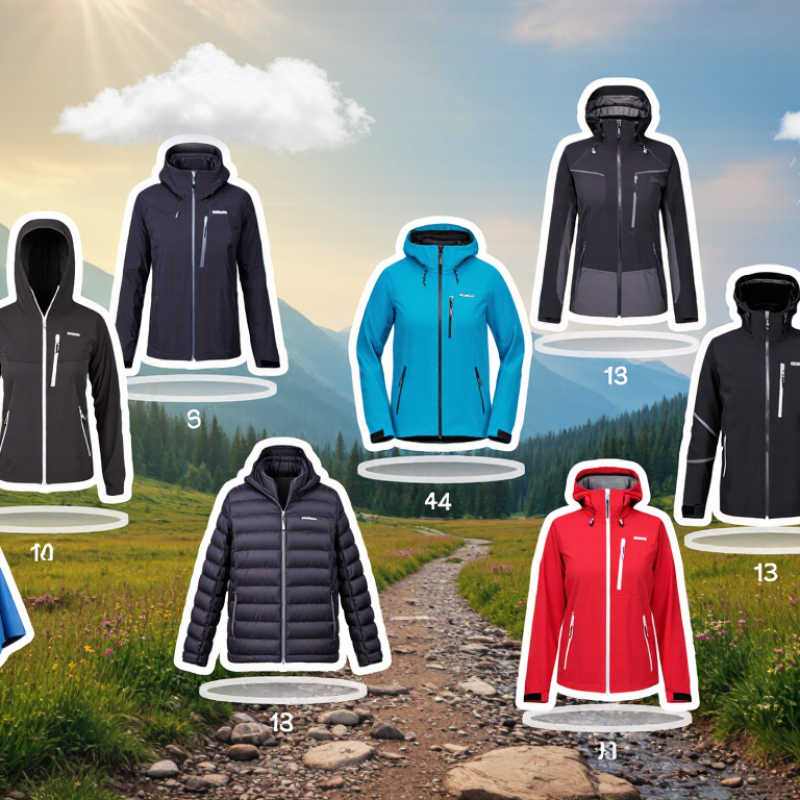
What Are the Top 10 Types of Hiking Raincoats?

Defining Hiking Raincoats and Their Essential Features

Hiking raincoats are protective shells designed to block rain and wind while allowing body heat to escape. Their value becomes clear when clouds gather above a wet mountain trail. A reliable coat needs waterproof fabric, sealed seams, an adjustable hood, and secure closures. Breathability matters too. Without ventilation, sweat can soak the inside.

The top ten types include ultralight shells, packable jackets, ponchos, three-layer coats, two-and-a-half-layer shells, insulated raincoats, long-length coats, softshell rain jackets, hard shells, and expedition raincoats. Each serves a different hiking situation. Ultralight models save pack space, while expedition coats usually offer stronger fabric and better storm protection. Ponchos cover backpacks well, but strong wind can make them awkward. Softshells feel comfortable, yet some provide limited waterproofing.

Fit deserves careful attention. Sleeves should cover the wrists when arms reach forward. The hood should turn with the head, not block side vision. Underarm zippers improve airflow during steep climbs. Pocket placement also matters when wearing a hip belt. A coat can be technically waterproof and still feel disappointing if its zipper leaks or its fabric tears easily. I once chose the lightest shell and regretted it in thorny terrain. That mistake still influences my gear choices. No raincoat wins every trade-off.

Lightweight Packable Raincoats for Short and Fast Hikes

What Are the Top 10 Types of Hiking Raincoats?

For short, fast hikes, weight and packing speed matter more than expedition-level features. The Outdoor Industry Association’s 2024 report recorded 175.8 million U.S. outdoor participants in 2023. That growth reflects more casual hikers who need practical protection, not bulky systems.

The ten main types include ultralight shells, packable jackets, rain ponchos, 2.5-layer jackets, three-layer shells, softshell rain jackets, insulated raincoats, cycling-style shells, trench-length hiking coats, and hybrid wind-rain jackets. For quick routes, ultralight shells and compact ponchos usually work best.

A jacket weighing 200 to 300 grams can disappear inside a small daypack. A hood with a firm brim helps when rain hits your face.

Pit zips help release heat, although they add weight.

Look for waterproof ratings near 10,000 mm or higher, taped seams, and adjustable cuffs. Breathability still matters. The National Weather Service notes that humidity and exertion can increase heat stress during wet conditions, even in cool weather.

My own mistake was choosing a jacket by weight alone. It packed beautifully, but the narrow hood turned sideways in strong wind. Not ideal. For short, fast hikes, test the hood, zipper, and pocket access while moving. A slightly heavier jacket may feel better when weather changes quickly.

Waterproof Shells for Heavy Rain and Extended Outdoor Trips

What Are the Top 10 Types of Hiking Raincoats?

For heavy rain and extended outdoor trips, a waterproof shell must do more than block showers. The best choice depends on terrain, pack weight, ventilation, and trip length. A three-layer shell offers strong protection and durability. A two-layer shell feels lighter and often costs less. A 2.5-layer design packs small, but its inner coating may feel clammy during long climbs.

An ultralight shell suits fast hikers and emergency pack storage. A long raincoat protects more of the legs and works well in exposed areas. A poncho covers the backpack, while an anorak reduces openings around the chest. A convertible shell can adapt to warmer weather. An insulated waterproof coat helps during cold, wet camps. An emergency raincoat remains useful for short, unexpected storms.

On a weeklong trek, I check taped seams, hood adjustment, cuff seals, and hem coverage before leaving. Small gaps become obvious when rain runs down a neck or sleeve. Pit zips help, but they cannot fix poor layering. Wear a quick-drying base layer beneath the shell. Avoid cotton.

I once chose the lightest jacket and regretted it after hours of steady rain. The fabric stayed waterproof, but condensation soaked my shirt. That experience changed my priorities. Weight matters, yet breathability, repairability, and fit may matter more. A shell should move quietly, carry a loaded pack, and remain dependable after repeated folding. Test it in controlled rain before trusting it on a remote trail.

Insulated Raincoats for Cold-Weather Hiking

For cold-weather hiking, insulated raincoats deserve special attention among the top ten raincoat types.

Synthetic-insulated shells are dependable in wet snow and steady rain. Their fibers retain useful warmth when damp. Down-filled raincoats feel lighter and compress smaller, but wet down can lose its loft quickly. A waterproof three-in-one coat adds flexibility for changing temperatures. It may feel bulky during steep climbs.

I check more than the insulation label. A properly sealed waterproof membrane, adjustable hood, and storm flap protect against wind-driven rain. Two-way zippers help when stepping over rocks or wearing a backpack. Pit zips matter during hard climbs. Without ventilation, even a warm coat becomes a damp shell from inside. Cold-weather comfort depends on moisture control, not insulation alone.

I once wore a heavily insulated coat on a mild, windy trail. My hands stayed warm, but my back became sweaty within twenty minutes. That mistake changed my layering choices. I now use a thin base layer, a light fleece, and an insulated raincoat for exposed sections. Check the cuffs with gloves. Test the hood before buying. Some hoods block side vision, which is a safety problem near icy paths. Dark colors also hide wet patches and worn seams. I still prefer visible shades, though appearance is personal. For long hikes, packability, repairable zippers, and a warm collar often matter more than maximum thickness.

Specialized Raincoats for Different Hiking Conditions and Needs

What Are the Top 10 Types of Hiking Raincoats?

Hiking conditions rarely repeat themselves. The Outdoor Industry Association’s 2024 Participation Trends Report recorded 175.8 million U.S. outdoor participants in 2023. More people are entering wet, changeable environments, so one raincoat cannot fit every trail. An ultralight shell suits fast day hikes. A packable emergency jacket works for unexpected showers. A poncho covers a backpack better. A three-layer hardshell offers stronger protection during exposed alpine travel. A breathable softshell hybrid feels more comfortable during light rain and steep climbs.

Cold conditions need different equipment. An insulated waterproof coat protects hikers on snowy ridges and slow winter walks. A long raincoat shields the thighs during heavy, wind-driven rain. A cycling-cut rain jacket helps riders and fast hikers maintain coverage while moving. A waterproof smock gives fewer openings for wind to attack. A rain skirt adds flexible protection over hiking trousers. A seam-sealed shell remains important, because fabric waterproofing alone does not stop water through stitching. I have seen a dry jacket fail at the cuffs.

NOAA climate records show that rainfall intensity and storm patterns vary widely by region. That makes ventilation, hood adjustment, and pocket placement practical safety features, not decoration. The best hood turns with the head. Pit zips release heat on steep climbs. Hand pockets should remain accessible above a hip belt. The Consumer Product Safety Commission has repeatedly stressed that wet, cold exposure can become dangerous quickly. Still, breathability claims deserve skepticism. A jacket may perform well in laboratory rain, yet feel clammy after an hour of climbing. Test the fit with your real pack. Forecasts can be wrong.

What Are the Top 10 Types of Hiking Raincoats? - Specialized Raincoats for Different Hiking Conditions and Needs

Type of Hiking Raincoat Best Hiking Conditions Typical Construction Typical Waterproofing Typical Weight Main Advantages Important Limitations
Three-Layer Waterproof Shell Jacket Persistent rain, strong wind, exposed mountain routes, and multi-day trekking Waterproof membrane bonded between an outer fabric and a protective inner layer Approximately 15,000–30,000 mm water column; fully taped seams are common 300–500 g Excellent durability, weather protection, and long-term performance Usually more expensive, less compressible, and heavier than minimalist shells
Two-and-a-Half-Layer Waterproof Jacket Day hikes, regular rain, and general-purpose trail use Waterproof membrane with a printed or lightly applied protective inner surface Approximately 10,000–20,000 mm water column; seam taping depends on the model 250–400 g Good balance of weight, packability, weather protection, and cost Can feel less comfortable against bare skin and may be less abrasion-resistant
Ultralight Emergency Rain Jacket Short showers, fair-weather hikes, and emergency pack backup Very thin coated or laminated fabric with a simple cut and minimal features Approximately 5,000–15,000 mm water column, depending on fabric and seam design 100–250 g Extremely light, compact, and easy to carry in a daypack Limited durability, ventilation, pocket space, and comfort during prolonged rain
Rain Poncho Warm, wet weather when maximum ventilation and pack coverage are needed Loose waterproof sheet or cape with a hood; some versions cover a backpack Commonly about 5,000–15,000 mm water column; varies by fabric and seams 180–400 g Excellent airflow, broad body coverage, and quick deployment Can flap in strong wind and may restrict hand use or visibility on technical terrain
Packable Waterproof Anorak Light rain, windy ridgelines, and hikes where low packed volume matters Pullover waterproof shell with a half-length or three-quarter front zipper Approximately 10,000–20,000 mm water column on many technical models 200–350 g Lightweight, wind-resistant, and often more weatherproof around the front opening More difficult to put on over layers and usually has less ventilation than a full-zip jacket
Stretch Waterproof Hiking Jacket Scrambling, steep trails, trekking with poles, and active movement in wet weather Flexible waterproof laminate or coated stretch fabric with articulated patterning Approximately 10,000–20,000 mm water column; performance varies with stretch fabric 300–550 g Greater freedom of movement and improved comfort during active hiking Often heavier and less breathable than simpler non-stretch shell fabrics
Insulated Waterproof Parka Cold rain, winter hiking, wet snow, and low-temperature rest periods Water-resistant or waterproof outer shell combined with synthetic or down insulation Approximately 5,000–20,000 mm water column; varies widely by design 600–1,000 g Provides warmth and weather protection in cold, damp conditions Too warm for strenuous activity in mild weather and substantially heavier to pack
Waterproof Cycling-Style Rain Jacket Fast hiking, trail approaches, bike-and-hike trips, and windy open paths Close-fitting waterproof shell with a longer back, adjustable cuffs, and high collar Approximately 10,000–20,000 mm water column on many models 200–400 g Reduces wind exposure and protects the lower back while moving quickly Long rear hems and athletic cuts may be less suitable for casual layering or climbing movement
Rainproof Softshell Jacket Light showers, damp vegetation, cool wind, and high-output hiking Stretch woven fabric with a durable water-repellent finish and sometimes a windproof membrane Usually water-resistant rather than fully waterproof; no universal waterproof rating 350–600 g Quiet, flexible, breathable, and comfortable for active movement Not intended for sustained heavy rain unless specifically designed and seam-sealed for it
Long Waterproof Trench-Style Hiking Coat Lowland trails, rainy camps, slow-paced walking, and extended body coverage Longer waterproof shell with an extended hem, hood, storm flap, and adjustable waist Approximately 5,000–15,000 mm water column, depending on fabric and construction 500–900 g Covers more of the legs and clothing than a standard hip-length rain jacket Less suitable for steep, brushy, or highly technical trails because the longer hem can catch or restrict movement

Note: Waterproof ratings and weights are typical ranges rather than universal specifications. Actual performance depends on fabric, seam sealing, zippers, fit, maintenance, and construction quality.