How to Build Sustainable Storage Container Buildings for Your Projects in 2025
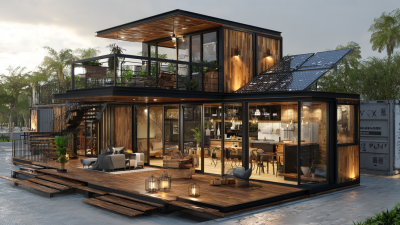
As the world pivots towards sustainability, the construction industry is increasingly embracing innovative solutions to meet the growing demand for eco-friendly structures. One such solution, prominently featuring in future construction practices, is the use of storage container buildings. By repurposing shipping containers, these versatile structures not only reduce waste but also offer unique design solutions that can cater to various project needs. Renowned expert in sustainable architecture, Dr. Sarah Green, emphasizes the potential of this approach, stating, "Storage container buildings represent a transformative step in how we conceive and create living and working spaces that are environmentally responsible."
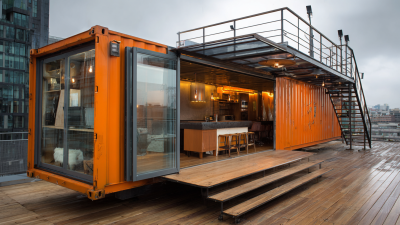
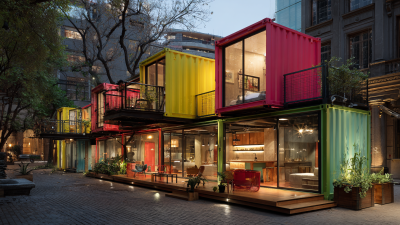
In 2025, the urgency for sustainable building practices will only heighten, prompting architects and builders to explore ways to integrate renewable materials and efficient designs into their projects. Storage container buildings stand out for their inherent flexibility and durability, allowing for rapid deployment and minimal environmental disruption. From offices to homes, these structures can be tailored to meet specific requirements, making them an attractive option for diverse applications.
By leveraging the advantages of storage container buildings, project developers can align with global sustainability goals while also maintaining functionality and aesthetic appeal. The intersection of innovative design and environmental responsibility offers a promising outlook for the future, guiding us toward more sustainable living and working environments in the years to come.
Understanding the Concept of Sustainable Storage Container Buildings
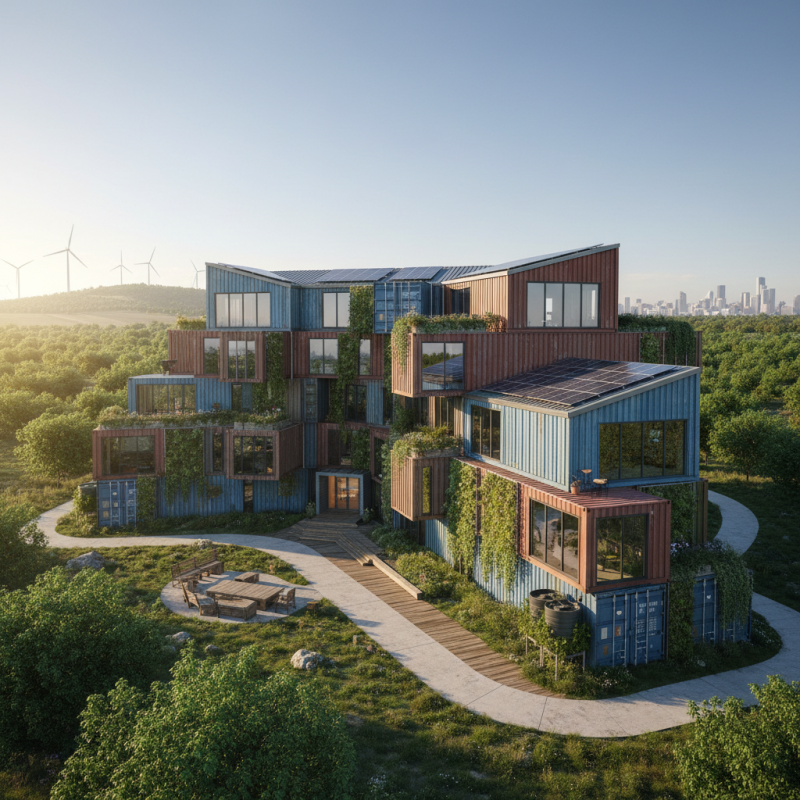
Sustainable storage container buildings represent an innovative approach to construction that prioritizes environmental responsibility, cost-effectiveness, and efficiency. The concept revolves around repurposing shipping containers, which has been proven to reduce waste in landfills and lower the carbon footprint associated with traditional building materials. According to the International Maritime Organization, approximately 1.5 million shipping containers become surplus each year, providing a substantial resource for sustainable building practices.
Using storage containers as building units not only minimizes waste but also offers significant advantages in terms of construction speed and adaptability. The modular nature of these containers allows for versatile designs that can be tailored to various project needs. A report by McKinsey & Company highlights that modular construction can reduce building time by 20-50% compared to conventional methods. This rapid construction approach accelerates project timelines while also meeting the increasing demand for sustainable building solutions, as outlined in the World Green Building Trends Survey, which indicated that 47% of respondents prioritize sustainability in their construction projects.
Moreover, sustainable storage container buildings can enhance energy efficiency through the integration of renewable energy sources and smart building technologies. Research published by the U.S. Department of Energy shows that utilizing energy-efficient materials and technologies can lead to a 30% reduction in energy consumption. By embracing sustainable design principles in container architecture, builders can create structures that not only serve their functional purposes but also contribute to the global effort of reducing environmental impact in the construction industry.
Key Benefits of Using Storage Containers for Sustainable Construction
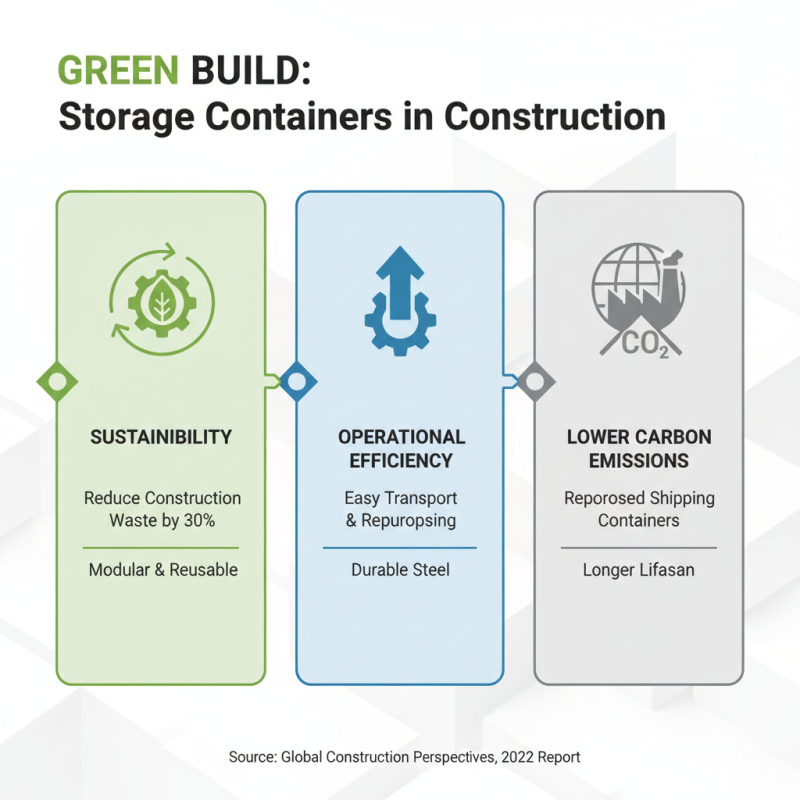
Storage containers are gaining traction in the construction industry for their sustainability and operational efficiency. According to a 2022 report from the Global Construction Perspectives, utilizing storage containers can reduce construction waste by up to 30%. This is in large part due to the modular nature of containers, which allows for easy transportation and repurposing. They are made from durable materials, often steel, which contributes to a longer lifespan compared to traditional building materials. Moreover, repurposing used shipping containers can also lower carbon emissions associated with the production of new materials.
When considering sustainable construction, it's crucial to highlight the energy efficiency of container buildings. A study conducted by the Institute of Sustainable Construction found that these structures can lead to energy cost savings of 20-50% for occupants. The inherent insulation properties of containers can help maintain stable temperatures, reducing the need for heating and cooling systems.
Tips: When planning a container building project, ensure that proper insulation is installed to enhance energy efficiency. Furthermore, consider the location and orientation of the containers to maximize natural light, which can further decrease energy consumption. Lastly, collaborating with environmentally conscious architects can facilitate innovative designs that improve the aesthetic value and functionality of container structures while prioritizing sustainability.
Selecting the Right Location for Your Container Building Project
When selecting the right location for your storage container building project, several key factors should be considered to ensure sustainability and efficiency. A study by the Global Institute of Sustainable Development highlights that proper site selection can reduce construction costs by up to 15% and facilitate energy efficiency by leveraging natural light and favorable climatic conditions. Choosing a location with good accessibility to transportation networks will help minimize the carbon footprint associated with transporting raw materials and finished structures.
Furthermore, environmental considerations play a crucial role in site selection. According to the Sustainable Sites Initiative, evaluating the ecological impact of the chosen location is essential. This involves assessing local flora, fauna, and soil types, which can influence the long-term sustainability of the project. Sites that previously hosted industrial activities might present opportunities for repurposing while reducing the need for new land development. By taking these factors into account, you can create a sustainable container building that not only meets project goals but also positively impacts the surrounding environment.
Container Building Project Locations and Their Suitability in 2025
Essential Design Considerations for Eco-Friendly Container Structures
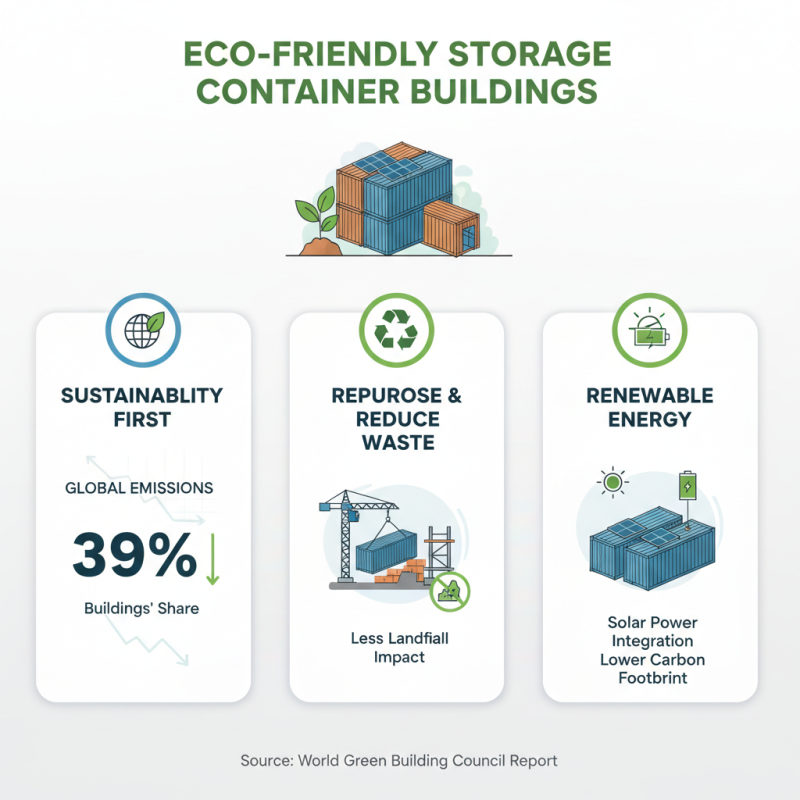
When considering the design of eco-friendly storage container buildings, the first essential factor is sustainability. According to a report from the World Green Building Council, buildings account for 39% of global carbon emissions. This statistic highlights the importance of adopting sustainable practices in construction. When using shipping containers, projects can significantly reduce waste by repurposing these structures that might otherwise end up in landfills. In addition, integrating renewable energy sources such as solar panels can further diminish the environmental footprint of container buildings.
Another critical design consideration is insulation. Effective thermal performance is essential for energy efficiency, and various eco-friendly insulation materials can be utilized to enhance temperature regulation in container structures. A study by the National Renewable Energy Laboratory indicates that improving insulation can reduce heating and cooling costs by up to 30%. By selecting sustainable materials and optimizing natural lighting through strategic window placement, designers can create container buildings that not only minimize energy consumption but also create a comfortable living or working environment. Furthermore, water-efficient fixtures and greywater recycling systems can be incorporated to enhance the overall sustainability of these projects, contributing to a holistic approach to eco-friendly construction.
Building Regulations and Permits for Container Construction in 2025
When planning to build sustainable storage container buildings in 2025, understanding building regulations and permit requirements is crucial. These regulations can vary significantly based on location, reflecting local safety standards, zoning laws, and environmental considerations. Before commencing any construction project, it is essential to consult local authorities to obtain the necessary permits, which typically include plans for structural integrity, plumbing, electricity, and insulation. This ensures that your project complies with health and safety codes, providing a secure living or working environment.
Moreover, sustainability in construction goes beyond materials; it also involves adhering to regulations that promote eco-friendly practices. Local building codes may require specific certifications for energy efficiency, waste management, and resource usage. Engaging with experienced professionals, such as architects and contractors familiar with container construction, can streamline the process of obtaining permits and ensure compliance with sustainability guidelines. By prioritizing these regulatory aspects, builders can contribute to a more environmentally responsible approach while successfully completing their projects in 2025.