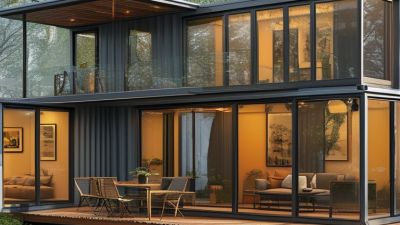
Top 10 Shipping Container House Ideas for Sustainable Living?
As the world faces pressing environmental challenges, the concept of a shipping container house is gaining popularity. These innovative homes utilize repurposed containers, reducing waste and carbon footprints. According to the Container Housing Market Report 2022 by Research and Markets, the market is expected to reach over $73 billion by 2027. This growth signifies a shift towards sustainable living solutions.
Renowned architect Sarah Susanka emphasizes, "Shipping container houses are more than just affordable; they are a step towards an eco-friendly future." Her insights highlight the dual benefits of cost-effectiveness and sustainability. Shipping container houses offer flexibility in design, making them ideal for various lifestyles. However, the potential downsides exist. For instance, insulation can be a concern in extreme climates.
While many admire the aesthetic and functional appeal, challenges remain. Local regulations may impede construction. Furthermore, the renovation process requires expertise to ensure structural integrity. The journey to sustainable living via shipping container houses is not without obstacles, but the rewards can lead to a transformative way to inhabit our planet.
Innovative Designs for Shipping Container Homes
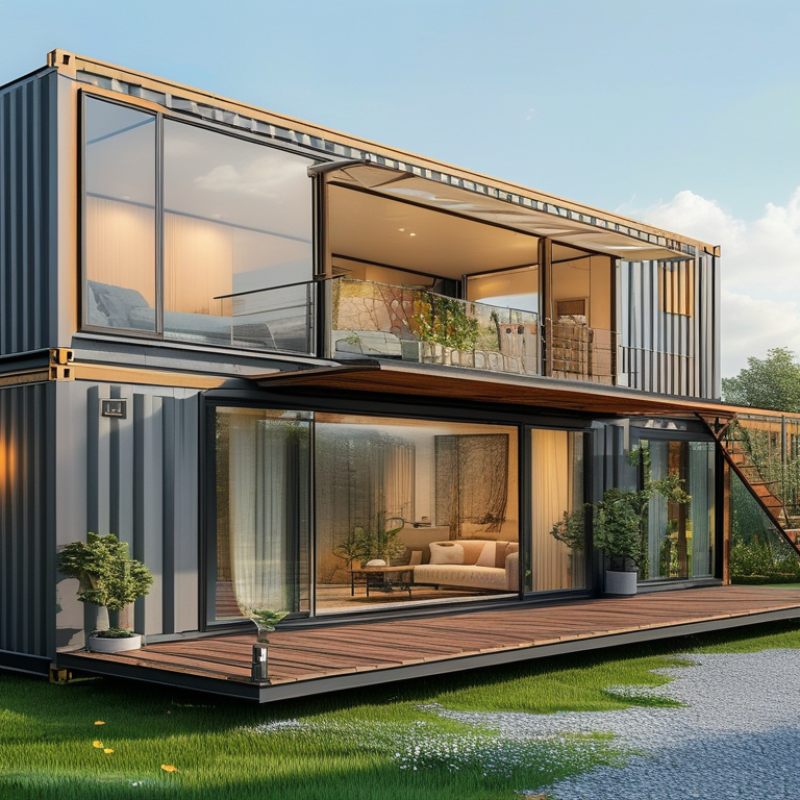
Shipping container homes offer an innovative approach to sustainable living. These designs often maximize space and minimize waste. With careful planning, one can create a cozy space that meets modern needs while being eco-friendly. Many builders use solar panels, green roofs, and recycled materials to enhance sustainability.
Another exciting aspect is the creativity involved in designing these homes. Flexible floor plans often cater to individual lifestyles. Some designs feature large windows for natural light, while others incorporate outdoor living spaces. However, not every design is perfect. Poor insulation can lead to uncomfortable temperatures. Proper ventilation is also crucial, as container homes can trap heat and moisture. This highlights the need for thoughtful consideration in the design process.
Communities are emerging around container homes, fostering a new sense of belonging. Residents often share resources and ideas, promoting eco-friendly practices. Yet, challenges with zoning and regulations can arise. Navigating these hurdles requires collaboration with local authorities. Embracing these imperfections can lead to innovative solutions.
Benefits of Using Shipping Containers for Sustainable Living
One of the primary benefits of using shipping containers for sustainable living is their durability. These containers are designed to withstand harsh conditions, making them an excellent choice for long-lasting homes. They are resistant to pests, rust, and extreme weather. This strength can reduce the need for frequent repairs, ultimately lowering resource consumption over time. However, it is essential to properly insulate and ventilate these houses to ensure comfort.
Another advantage is their affordability compared to traditional building materials. Shipping containers can significantly reduce construction costs. Their repurposed nature aligns with the principles of sustainability. This approach minimizes environmental impact while maximizing resource efficiency. Yet, potential buyers should be aware that local zoning laws can complicate their use. Understanding these regulations is crucial before starting a project.
Using shipping containers also promotes a unique aesthetic. Their industrial look can be quite appealing to many people. However, creativity is key to transforming these boxes into pleasant living spaces. Additions like large windows and green roofs enhance both functionality and beauty. Still, integrating modern amenities can sometimes be a challenge. Designers must carefully consider layout and design to achieve the best living experience.
Key Considerations When Building a Container House
Building a shipping container house involves several crucial considerations. First, proper site selection is essential. The land should be stable and in a suitable zone per local regulations. Reports from the Container Housing Resource indicate that many container homes require a solid foundation. This is necessary to withstand weather conditions and ensure safety.
Next, insulation plays a significant role. Shipping containers are made of steel, which conducts heat. As a result, the proper insulation minimizes energy consumption. According to the U.S. Department of Energy, well-insulated homes can reduce heating and cooling bills significantly. Choosing sustainable insulation materials like recycled denim or cellulose can enhance a green living approach.
Additionally, consider ventilation and lighting carefully. Shipping containers offer limited windows, which can affect indoor air quality. Innovative designs, such as sliding glass doors or skylights, can improve airflow. An interior design report highlights that natural light impacts mental health positively. Work with professionals who have experience in container construction to avoid common pitfalls.
Top 10 Shipping Container House Ideas for Sustainable Living
This bar chart illustrates various ideas for building sustainable shipping container houses, reflecting their popularity based on innovative design concepts.
Integration of Renewable Energy in Container Homes
Shipping container homes are gaining popularity for sustainable living. Integrating renewable energy sources maximizes their eco-friendliness. Solar panels are a common choice. According to a report from the International Energy Agency, global solar power capacity reached over 800 GW in 2021, showing a growth trend. This renewable energy can power appliances and reduce utility bills significantly.
Wind turbines can complement solar energy. Small-scale turbines can generate significant energy for residential use. A 2020 National Renewable Energy Laboratory study estimated that 40% of U.S. homes could adopt wind power. However, site selection is vital. Wind resource assessment should be part of the planning.
Energy-efficient designs can enhance the sustainability of container homes. Insulation is critical for minimizing heating and cooling needs. Consider using insulated panels or green roof systems. These choices significantly reduce energy consumption. Effective energy management remains essential. Regularly monitor energy use to identify areas for improvement. Adopting a holistic approach ensures that your container home remains both sustainable and comfortable.
Landscaping and Outdoor Spaces for Container Living
Landscaping plays a crucial role in enhancing the outdoor spaces of shipping container homes. With the rise of sustainable living, many homeowners are transforming their container homes into eco-friendly retreats. A study from the Green Building Council highlights that well-planned landscaping can reduce energy costs by up to 30%. By strategically placing trees, homeowners can benefit from shade and natural cooling.
Integrating native plants in landscaping not only enhances beauty but also supports local biodiversity. Selecting drought-resistant plants can significantly minimize water usage. According to the USDA, using such plants can reduce water needs by nearly 50%. However, it’s essential to evaluate the soil and sunlight conditions before planting. Some homeowners rush into landscaping choices without proper planning. This can lead to wasted resources and effort.
Creating outdoor spaces for container living can include patios, vertical gardens, or edible landscaping. These features provide functional outdoor areas while promoting sustainability. However, some designs may feel cramped or underutilized. Homeowners should consider how their outdoor spaces will be used before finalizing layouts. It’s beneficial to visualize these spaces on paper first. A well-thought-out outdoor design enhances not only aesthetics but also the overall lifestyle.