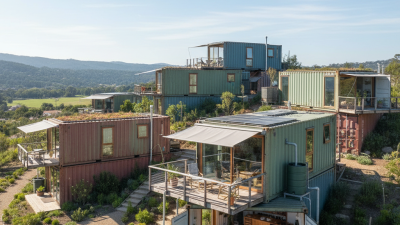
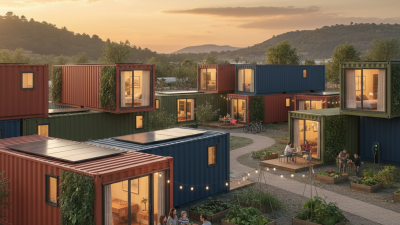
Are Ocean Container Homes the Future of Sustainable Living?
As urbanization increases, sustainable living becomes essential. One innovative solution that emerges is ocean container homes. These structures utilize repurposed shipping containers, offering a unique, eco-friendly approach to housing. They provide a practical alternative to traditional homes, which often consume more resources.
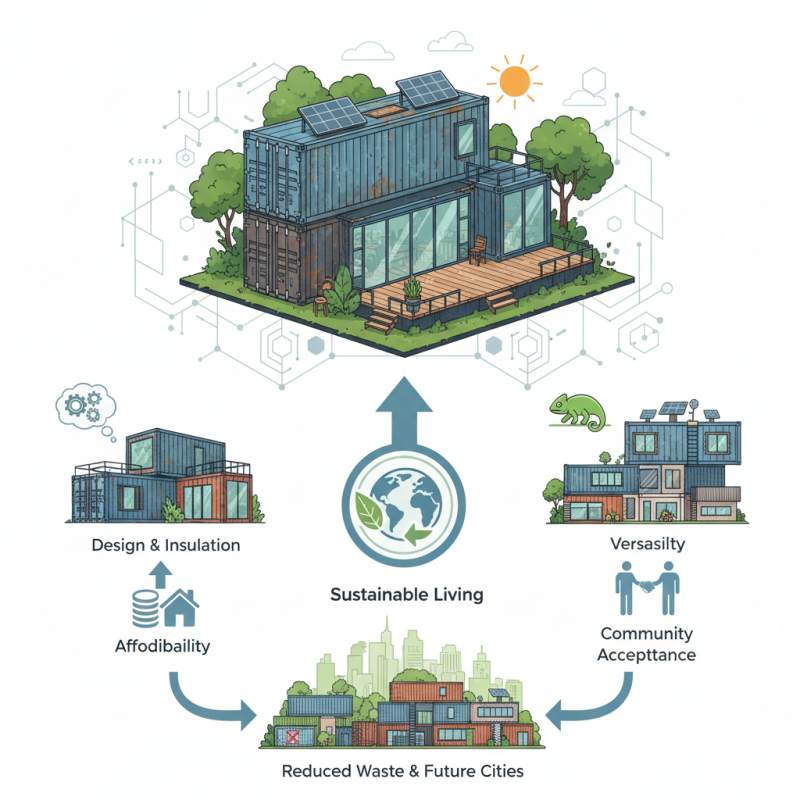
Ocean container homes are not only affordable but also versatile. They can be adapted to various climates and personal styles, catering to different needs. Yet, the concept is not without challenges. Factors such as insulation and design must be considered carefully. Community acceptance varies, and some still view these homes as unconventional.
Despite these hurdles, ocean container homes present a compelling option for future living. They reflect a growing movement towards reducing waste and promoting sustainability. As this trend continues, we may find that ocean container homes are more than a novelty; they could redefine how we think about housing and community.
Overview of Ocean Container Homes as an Innovative Housing Solution
Ocean container homes are gaining attention as a unique solution to housing. They offer an innovative perspective on sustainable living. These homes are built from repurposed shipping containers. Many are made from steel, which is durable and recyclable. This practice reduces waste and promotes a circular economy.
Living in a container home presents both advantages and challenges. On one hand, they are affordable and quick to construct. Their design can be customized to fit various needs. On the other hand, insulation and ventilation are crucial to ensure comfort. Poor planning can lead to issues with temperature control. Not every location is suitable for container homes, which might limit their appeal.
The environmental impact of ocean container homes is significant. They can minimize the carbon footprint compared to traditional homes. However, it is essential to consider long-term sustainability. Some might question their longevity and durability over time. As this concept evolves, ongoing reflection is needed to enhance its effectiveness.
Environmental Benefits of Using Shipping Containers for Homes
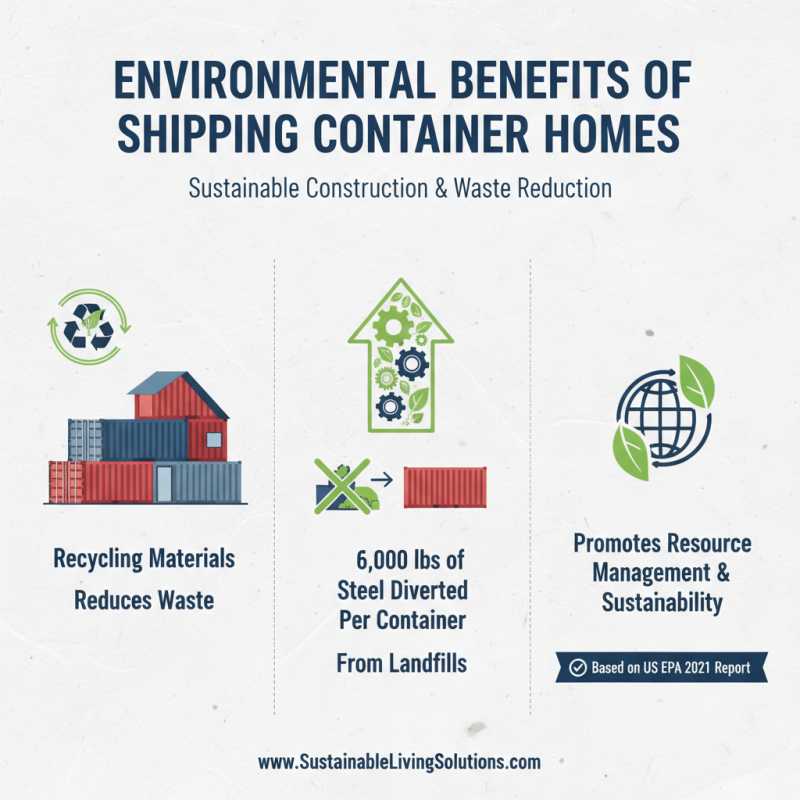
The use of shipping containers for homes offers notable environmental benefits. According to a 2021 report by the U.S. Environmental Protection Agency, recycling materials like containers can significantly reduce waste. Each container repurposed diverts approximately 6,000 pounds of steel from landfills. This contributes to better resource management and promotes sustainability in construction.
Building with shipping containers also leads to reduced carbon emissions. Traditional home construction often emits about 8.1 tons of carbon dioxide per home. In contrast, container homes typically require fewer new materials, less energy, and shorter build times. This reduction is crucial in combating climate change.
However, there are challenges. While container homes are often marketed as eco-friendly, they may contain toxic substances. Proper treatment and insulation are necessary to ensure safe living environments. Additionally, the initial costs can vary widely based on location and customization. The movement towards container homes presents an opportunity to reflect on our construction practices and embrace more sustainable choices.
Design and Customization Options for Ocean Container Homes
Ocean container homes are gaining attention for their unique design and customization options. They offer diverse layouts that fit various lifestyles. Homeowners can create a space that reflects their personal taste while ensuring functionality. For instance, a study from the International Journal of Sustainable Architecture highlights that container homes can reduce construction material waste by up to 80%. This makes them an attractive option for eco-conscious individuals.
Customization goes beyond aesthetics. Many people choose energy-efficient installations such as solar panels. A report from the Container Housing Association shows that about 60% of container home owners incorporate sustainable technologies. Imagine installing rainwater harvesting systems that complement your living space. These choices enhance the home's overall efficiency, but they come with challenges.
Designing container homes requires careful thought. Structural integrity is key. Not all containers are designed to withstand heavy loads or extreme weather. Potential homeowners must consider insulation and ventilation. The wrong choices can lead to discomfort. Much depends on the local climate, and some adjustment may be necessary. Customization is exciting, but it also demands a balance between creativity and practicality.
Are Ocean Container Homes the Future of Sustainable Living?
Challenges and Limitations of Ocean Container Homes
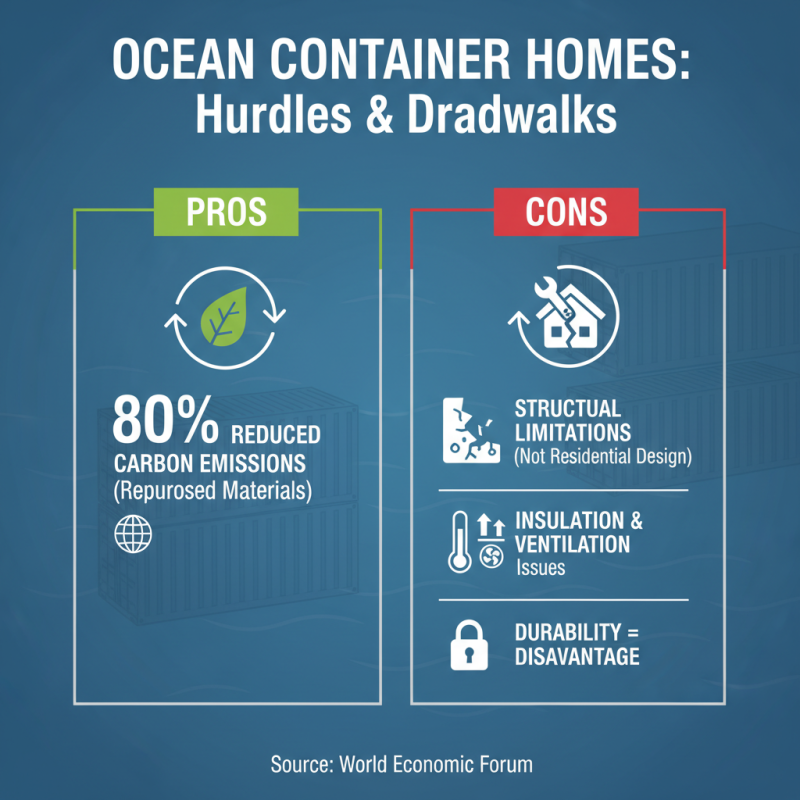
Ocean container homes offer a glimpse into sustainable living, but they come with significant challenges. A report from the World Economic Forum indicates that building with repurposed materials, like shipping containers, can reduce carbon emissions by nearly 80%. This is promising, yet ocean container homes face structural limitations. Containers were never designed for residential use. Their durability can be a disadvantage, leading to issues with insulation and ventilation.
Moisture problems are another significant concern. Research from the National Institute of Standards and Technology points out that shipping containers can trap humidity, leading to mold growth. Creating effective ventilation systems is essential but often expensive. Furthermore, these homes have limited space. Most containers measure just 20 to 40 feet in length, constraining design options. Families may find it challenging to live comfortably in such confined conditions.
Zoning laws and local regulations can complicate container home projects. Many areas are not equipped to accommodate them. Homeowners may face lengthy approval processes, delaying construction. This uncertainty can deter potential buyers. The efficiency of ocean container homes is noteworthy. However, it’s crucial to address these challenges to ensure they can truly serve as a sustainable living option for the future.
Future Trends in Sustainable Living and Container Housing
The trend of sustainable living is rapidly evolving.
Ocean container homes are gaining attention as a viable solution. According to the
World Bank, 1.3 billion people live in inadequate housing globally.
Container homes could address this issue
by providing affordable housing options.
These homes utilize repurposed shipping containers,
reducing waste. A study by ConstructConnect indicates
that building with containers can cut construction costs by 30-40%. Additionally,
they often have lower energy consumption due to their design. However, the long-term sustainability
of these homes remains uncertain. Will they last as long as traditional structures?
While these homes offer flexibility, their insulation and ventilation can be problematic.
This requires careful planning, especially in diverse climates. Although promising, ocean
container homes need more research to fully understand their environmental impact.
Sustainable living must address not just housing
but the entire ecosystem surrounding it.