What is a High Cube Shipping Container House? Pros, Cons, and Design Ideas
In recent years, the trend of converting high cube shipping containers into livable spaces has gained significant traction among architects, builders, and environmentally-conscious homeowners. According to a report by Allied Market Research, the global modular construction market, which includes shipping container homes, is projected to reach $157 billion by 2023, reflecting a growing acceptance of alternative housing solutions. This rise is largely attributed to the affordable, durable, and eco-friendly nature of high cube shipping container houses, which offer a unique approach to modern living.
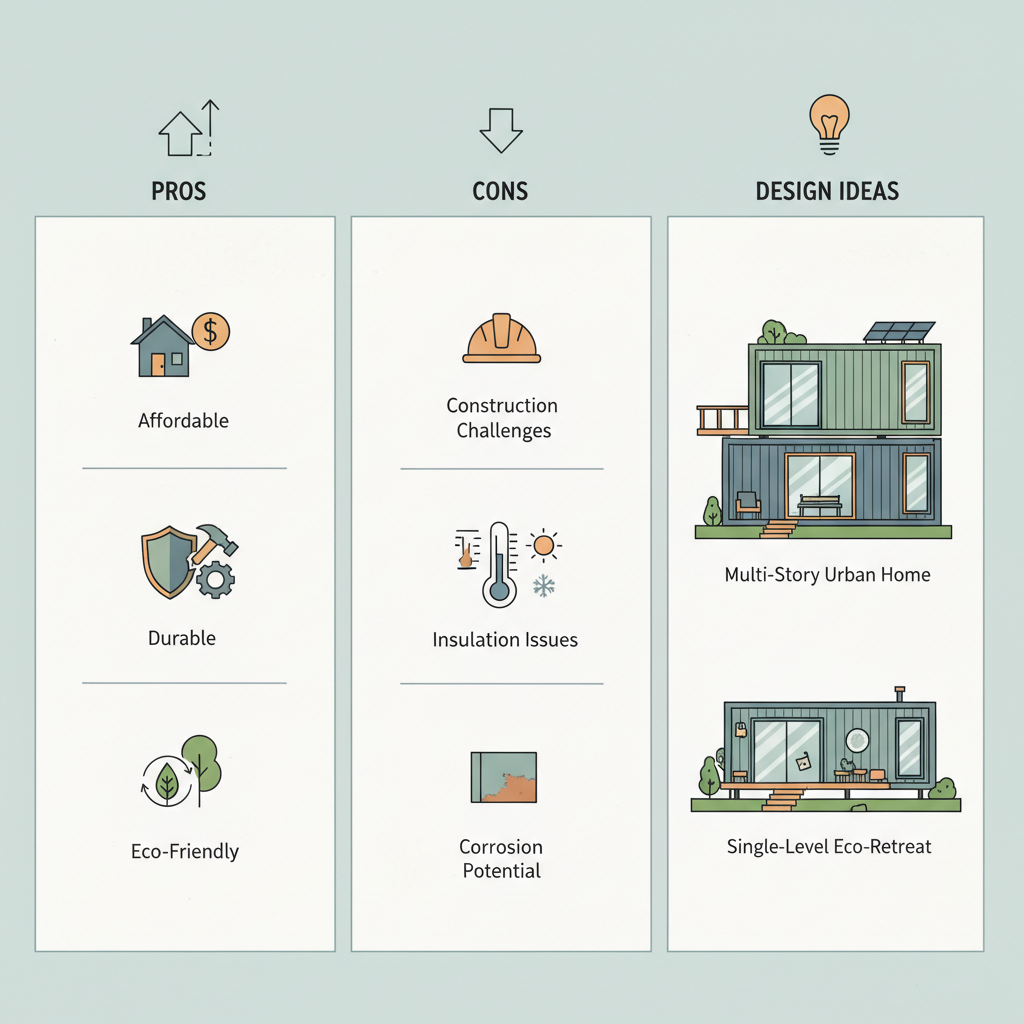
High cube shipping containers, with their added height of approximately one foot compared to standard containers, provide more interior space and flexibility for innovative design possibilities. This distinct advantage is particularly appealing in urban areas where land is scarce and expensive. A report from the Container Home Network indicates that the demand for container homes has surged by at least
30% in the last few years, as more individuals seek sustainable and cost-effective living arrangements amidst rising housing prices. However, while the benefits are considerable, potential homeowners must also weigh the drawbacks and challenges that come with constructing and living in a high cube shipping container house.
As the movement toward modular construction continues to evolve, it is essential to explore the pros and cons of high cube shipping container houses, alongside inspiring design ideas that showcase their versatility and functionality. This examination will provide valuable insights for anyone considering this innovative housing option, ultimately contributing to a broader understanding of contemporary design trends in the realm of sustainable living.
Definition and Characteristics of High Cube Shipping Containers
High cube shipping containers are a type of intermodal container that is taller than standard containers, measuring 9 feet 6 inches in height compared to the typical 8 feet 6 inches. This extra foot of vertical space is a significant advantage when it comes to designing residential or functional spaces. As reported by the International Organization for Standardization (ISO), high cube containers are primarily utilized for various storage and shipping needs, but their unique dimensions have made them increasingly popular in the world of architectural innovation.
One of the standout characteristics of high cube containers is their versatility. They can be easily modified for different purposes, from housing to offices and even pop-up shops. According to a 2021 report from the Container Housing Association, the market for container homes is projected to reach $73.2 million by 2026, driven by the growing demand for affordable and sustainable living options. Additionally, their robust construction provides inherent durability, making them an excellent choice for various climates, which is a critical factor for many architects and builders looking to minimize maintenance costs while maximizing livability.
Pros and Cons of High Cube Shipping Container Houses
Advantages of Using High Cube Shipping Containers for Housing
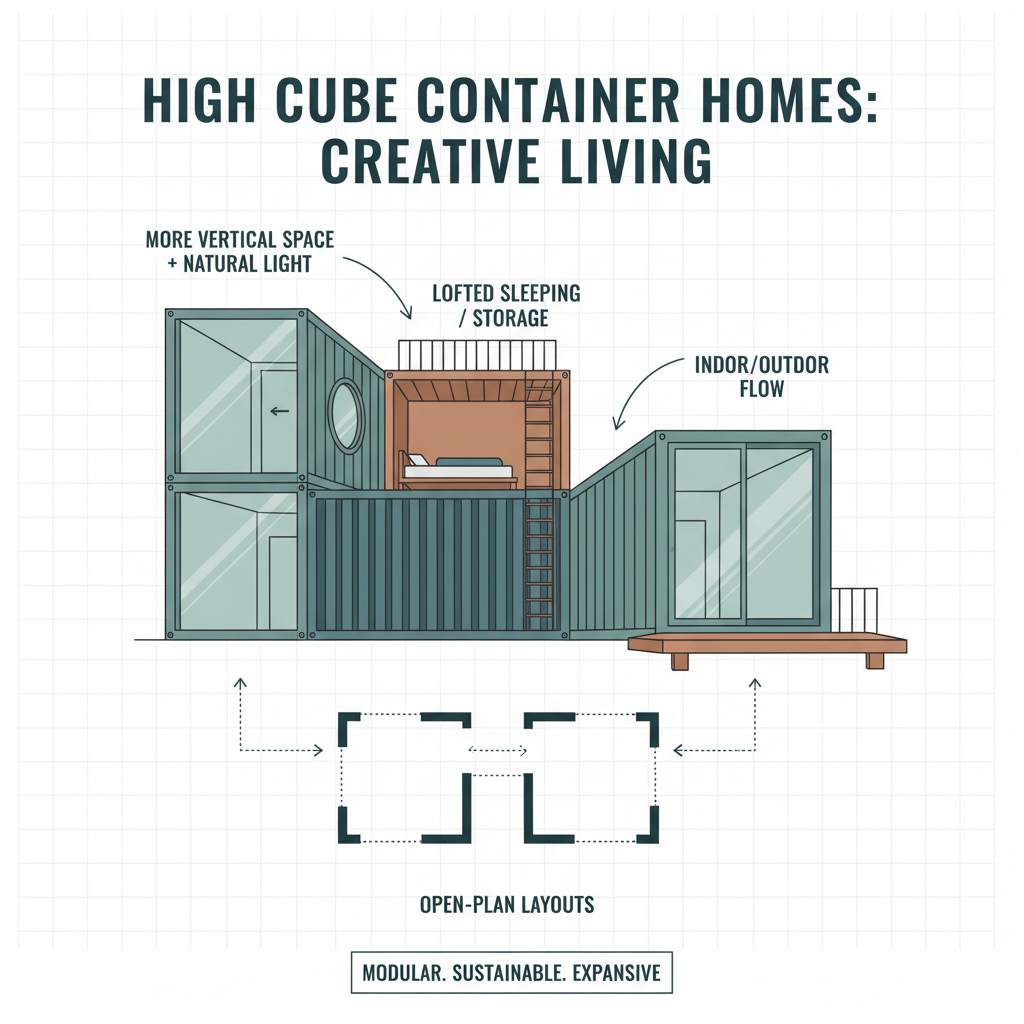
High cube shipping containers, typically measuring 40 feet in length and 9.5 feet in height, offer a superior solution for housing, particularly due to their spacious interiors. This extra height allows for versatile design possibilities, such as lofted sleeping areas or open-concept layouts, maximizing the use of vertical space. According to a report by the International Organization for Standardization (ISO), the use of high cube containers in construction has increased by over 25% in recent years, reflecting a growing trend among builders and architects who appreciate their flexibility and cost-effectiveness.
One of the significant advantages of high cube shipping container houses is their sustainability. These containers are often repurposed from the shipping industry, reducing waste and minimizing the carbon footprint. As noted by the World Economic Forum, using shipping containers can cut construction costs by up to 30%, making housing more accessible. Moreover, they are structurally robust, capable of withstanding harsh weather conditions, which is an essential consideration for long-term living solutions. With proper insulation and design, high cube container homes can be energy-efficient, leading to further savings in utility costs over time.
Challenges and Disadvantages of High Cube Shipping Container Houses
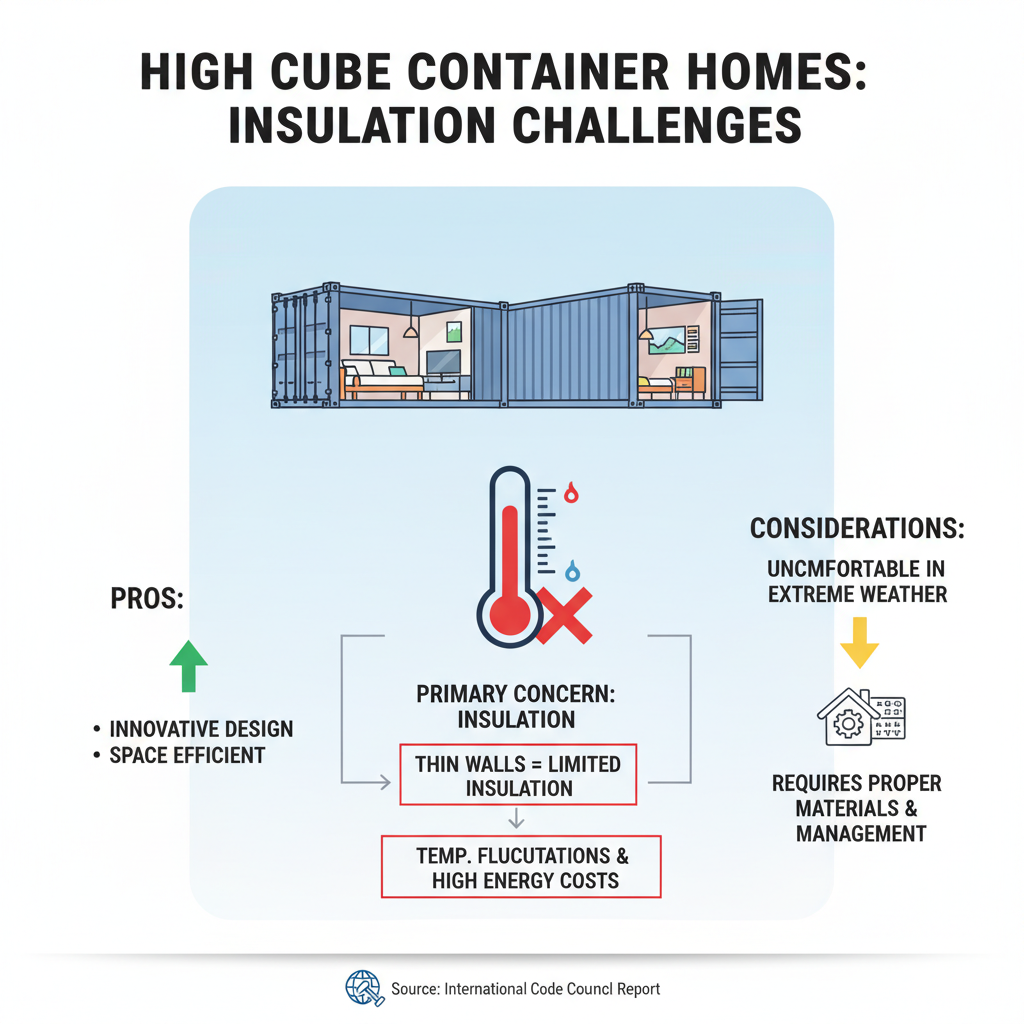
High Cube shipping container houses have gained popularity for their innovative design and space efficiency. However, potential homeowners should carefully consider the challenges and disadvantages associated with them. One primary concern is insulation. According to a report by the International Code Council, containers typically have thin walls that provide limited insulation, which can lead to significant temperature fluctuations and increased energy costs if not properly managed. Without the right materials, these homes can become uncomfortable in extreme weather conditions.
Another problem is structural integrity. While High Cube containers offer additional vertical space, their structural design can pose challenges during modifications. A study from the Container Housing Initiative highlights that extensive alterations, such as cutting out large sections for windows or doors, may compromise the container's stability if not reinforced correctly. Additionally, container homes may face zoning restrictions and building code compliance issues, as many jurisdictions are not fully prepared for the unique nature of these structures. These regulatory hurdles can complicate the construction process, potentially leading to increased costs and delays.
Creative Design Ideas for High Cube Shipping Container Homes
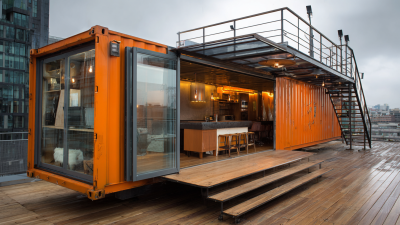
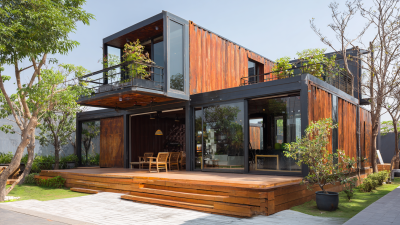
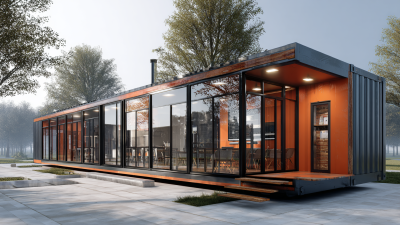
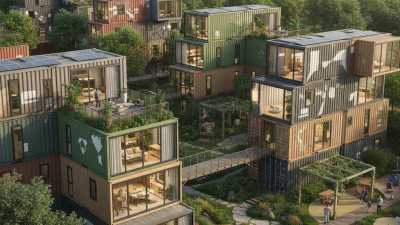
High cube shipping container houses offer a unique blend of creativity and functionality. These structures are characterized by their additional height, providing homeowners more vertical space to play with. From incorporating large windows for natural light to adding a lofted sleeping area, the design possibilities are vast. When utilizing multiple containers, consider open floor plans that enhance air flow and connectivity between spaces. The use of glass walls can create a seamless transition between indoor and outdoor living, making your home feel expansive.
Tips: When planning your high cube container home, focus on insulation and ventilation to maintain a comfortable living environment year-round. Utilizing sustainable materials and solar panels can not only reduce your carbon footprint but also lower long-term energy costs. Additionally, adding outdoor decks or green roofs can enhance the aesthetic appeal and functionality of your container home, providing extra space for relaxation or gardening.
Another intriguing design idea is the integration of multi-functional furniture. Items like fold-out beds or modular sofas can maximize space efficiency in your container house while adding flexibility to your living area. Embrace the industrial aesthetic by leaving some structural elements exposed, which can create a chic urban vibe. Using vibrant colors for interiors can also help to define spaces and add personality to your high cube container home.
Essential Considerations for Building with High Cube Shipping Containers
When considering the construction of a high cube shipping container house, several essential factors must be taken into account. First, understanding the dimensions and structural integrity of high cube containers—typically 9.5 feet tall compared to the regular 8.5 feet—allows for innovative designs that utilize vertical space effectively. This height can create an open, airy feel in living spaces, but it also requires careful planning for insulation, ventilation, and load distribution to maintain comfort and safety.
Moreover, local zoning regulations and building codes play a crucial role in the feasibility of building with high cube shipping containers. Prospective builders should investigate these regulations in their area, especially considering emerging projects like the first shipping container home in St. Louis, which exemplifies a growing trend in sustainable and efficient housing solutions. Additionally, design ideas can be inspired by recent innovations in cold storage containers, emphasizing versatility and the potential for multifunctional spaces. Integrating these elements can lead to unique living arrangements that both meet personal needs and align with modern architectural trends.