10 Essential Tips for Creating Your Shipping Container Living Space
The concept of a shipping container living space has gained significant traction in recent years. This innovative approach to housing offers flexibility and sustainability. Architect Sarah Johnson, a leading voice in sustainable architecture, once said, “Shipping containers are not just boxes; they are blank slates for creativity.”
Converting a shipping container into a home involves careful planning and design. It presents unique challenges, such as insulation and ventilation. Yet, these hurdles often lead to creative solutions that enhance the living experience. Many are drawn to container homes due to their affordability and eco-friendliness. However, it's important to remember that careful consideration is necessary to avoid potential pitfalls.
Creating a shipping container living space often requires a balance of aesthetics and functionality. Potential buyers may overlook important factors like zoning laws and permits. A well-designed space can be both beautiful and practical. Yet, the journey may include frustration. The result is a unique living environment that reflects personal style and values.
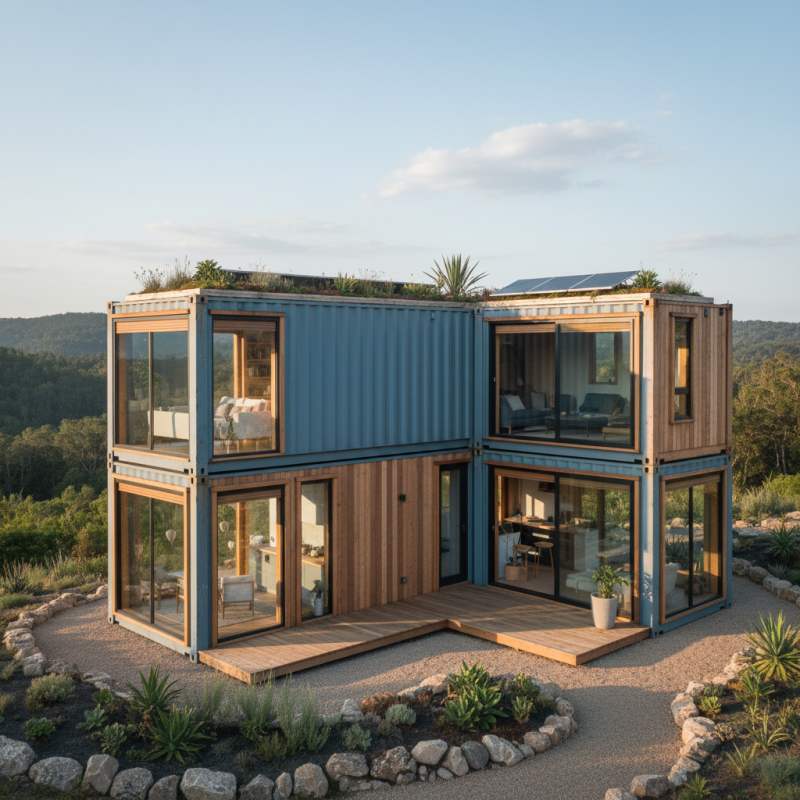
Choosing the Right Shipping Container for Your Living Space
Choosing the right shipping container is crucial for anyone looking to create a living space. Consider the size that fits your needs. A standard 20-foot container might be cozy for one or two people, while a 40-foot container offers more room for families. Think about layout and design; a larger space allows for distinct areas like a bedroom, kitchen, and living area.
Inspect the container's condition before making a choice. Look for rust, dents, or leaks. A damaged container can lead to costly repairs later. Ensure that the container meets your climate's insulation needs. Heavy insulation may be necessary in colder areas.
Also, think about the future. What if your needs change? Consider how easily you can modify the space later. It might be helpful to sketch your plans beforehand. This can reveal potential issues with your chosen container size or layout. Aim for a space that is functional and comfortable. Embrace imperfections in the process; they often lead to the most creative solutions.
10 Essential Tips for Creating Your Shipping Container Living Space - Choosing the Right Shipping Container for Your Living Space
| Tip Number |
Tip |
Description |
| 1 |
Research Container Types |
Understand the differences between standard, high cube, and customized containers. |
| 2 |
Assess Your Space Needs |
Consider the number of rooms, layout, and size requirements. |
| 3 |
Check Local Regulations |
Understand zoning laws and building codes in your area. |
| 4 |
Consider Insulation Needs |
Choose the right insulation materials for your climate. |
| 5 |
Plan for Ventilation |
Ensure adequate airflow to prevent moisture and promote comfort. |
| 6 |
Choose Suitable Flooring |
Pick durable and appropriate flooring options that suit your lifestyle. |
| 7 |
Focus on Natural Light |
Incorporate windows and skylights to enhance the living experience. |
| 8 |
Consider Off-Grid Options |
Explore solar panels and rainwater collection for sustainability. |
| 9 |
Plan for Outdoor Space |
Create comfortable outdoor areas for relaxation and recreation. |
| 10 |
Incorporate Custom Features |
Make your space unique with personal touches and amenities. |
Planning Your Container Layout for Maximum Space Utilization
When planning your container layout, consider the flow of movement.
Analyze how you will navigate through the space. A well-planned layout helps avoid cramped areas.
Start with a central living area and work outward. Place essential rooms nearby, like the
kitchen and bathroom.
Think about light and ventilation.
Windows can transform a boxy space. Large, strategically placed openings
can enhance comfort. However, too many openings might compromise privacy.
Use furnishings wisely; multi-functional pieces can optimize your layout.
For instance, a sofa bed serves two purposes.
Remember, trial and error is part of the process.
You may find what works in theory does not suit your lifestyle. Embrace small adjustments along the way.
Personal touches can make the space uniquely yours.
Consider how each decision affects the overall ambiance.
Design with intention, but leave room for spontaneity.
Insulating Your Shipping Container for Year-Round Comfort
Insulating your shipping container is crucial for year-round comfort. Studies show that a well-insulated container can reduce energy costs by up to 30%. Poor insulation can lead to extreme temperatures indoors, making living conditions uncomfortable.
One effective method is to use spray foam insulation. It expands and seals gaps, creating an airtight environment. This helps keep heat in during winter and out during summer. Consider using rigid foam boards as well. They offer high R-values, meaning better insulation performance.
Remember, condensation can be a problem. Poor ventilation may lead to mold growth. Make sure to integrate proper airflow. Install vents or windows to maintain a fresh environment.
Lastly, don't forget to use thermal mass effectively. Adding materials like stone or concrete can help regulate indoor temperatures. These materials hold heat in winter and stay cool in summer. Balancing aesthetics and function is key in your design. A pinch of reflection on what works best for your climate is essential too.
Insulation Effectiveness of Different Materials for Shipping Container Homes
This chart illustrates the effectiveness of various insulation materials commonly used in shipping container living spaces. The R-value is a measure of thermal resistance; higher values indicate better insulation performance.
Selecting the Right Materials for Interior Finishes and Design
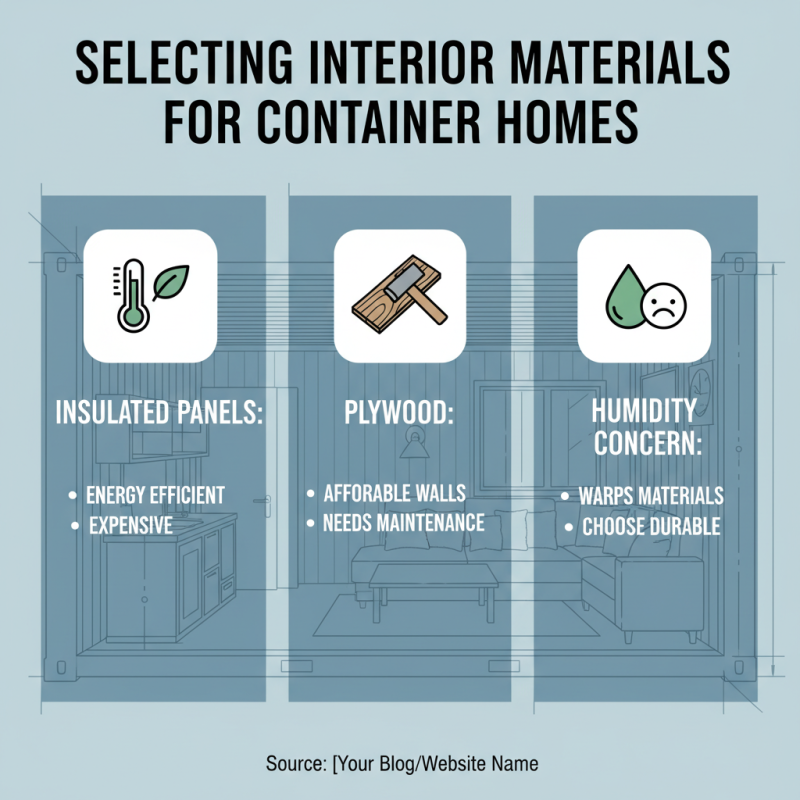
When creating a shipping container living space, selecting the right materials for interior finishes is crucial. You might consider insulated panels for energy efficiency, yet they can be pricey. Plywood is an affordable option for walls but may require regular maintenance. Be mindful of humidity levels; this can warp or damage cheaper materials.
Flooring choices can also impact the overall look. Bamboo is eco-friendly and stylish, yet it can scratch easily. Vinyl offers easy cleaning but lacks warmth. Think about the balance between aesthetics and durability. You may want to mix materials for a unique look, but too many choices can feel cluttered. Texture matters; a rough finish might clash with smooth surfaces.
Remember, it's easy to overlook the small details. Lighting can transform spaces, but selecting the wrong fixtures might lead to dim corners. Color schemes can enhance or reduce space perception. Test paint samples to see how they interact with light throughout the day. And don’t rush the process; it’s okay to step back and rethink your choices. Building a home should be a journey, not a race.
Navigating Permits and Regulations for Container Homes
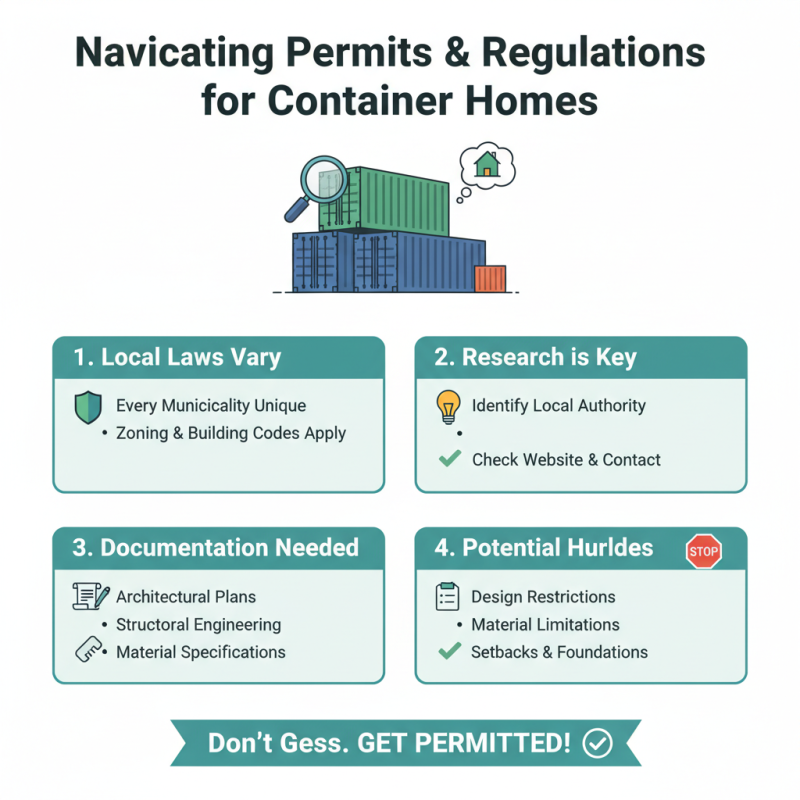
When planning a shipping container home, understanding local permits is crucial. Each municipality has specific regulations that govern the use of containers as residences. Research is essential. Some areas may require detailed architectural plans. Others might impose restrictions on design and exterior materials. Navigating this maze of rules can feel overwhelming.
It's common for enthusiasts to underestimate this aspect. For instance, you might assume a simple container can be set up anywhere, but this isn't the case. Zoning laws often dictate where you can place your home. They can also affect how many containers you can join together. Be prepared to face potential roadblocks. Meeting with local officials early can clarify necessary steps and save future headaches.
Consider the unique aspects of your area. You may need to adapt your design to blend in with the local landscape. Some regions emphasize energy efficiency, pushing you to think creatively about insulation and energy sources. Building codes could also require specific safety measures, adding to your budget. Acknowledging these challenges early can lead to better planning and a more successful project.