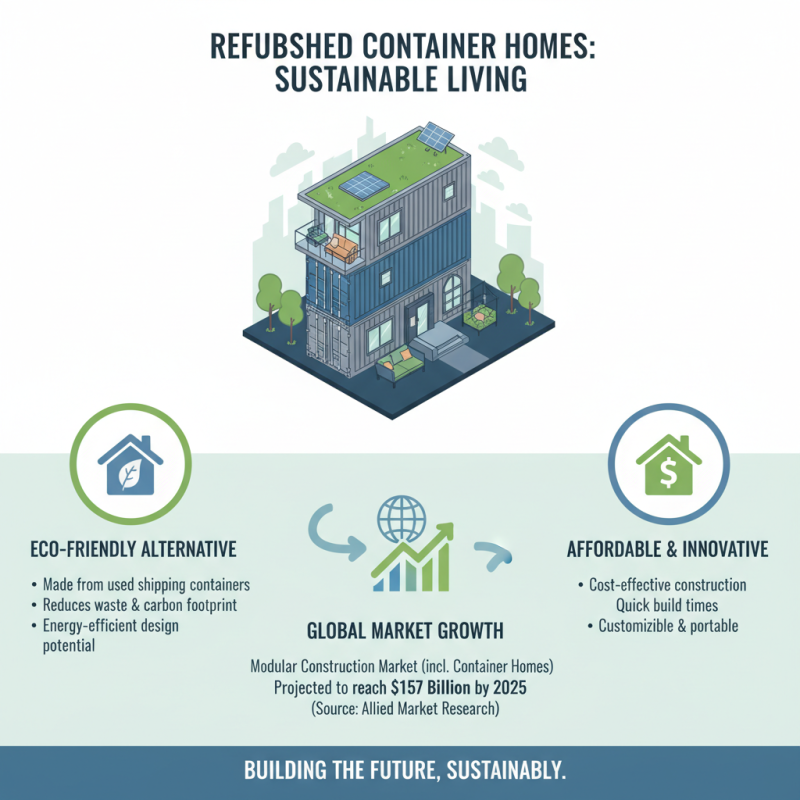
As the trend of sustainable living gains traction, refurbished container homes have emerged as an appealing option. These homes offer both eco-friendliness and affordability. Expert, John Harrington, a renowned architect in the green building industry, emphasizes, "Refurbished container homes can change the way we think about living spaces."
Choosing the right refurbished container home requires careful consideration. It’s essential to evaluate materials and design quality. Pay attention to insulation, ventilation, and layout. Often, details get overlooked. People may focus too much on aesthetics and miss structural integrity. A beautiful exterior is not enough if safety is compromised.
Environmentally friendly living should not sacrifice comfort. Many potential buyers underestimate the importance of space optimization. Refurbished container homes can feel cramped if not designed wisely. Prioritize functionality alongside beauty. What may seem appealing at first glance can lead to regrets later. Taking the time to research and reflect on your choices will yield a satisfying home experience.

Understanding refurbished container homes has become increasingly popular in recent years. These homes are made from used shipping containers, offering a sustainable alternative to traditional construction. According to a report by Allied Market Research, the global modular construction market, including container homes, is projected to reach $157 billion by 2025. This growth highlights the rising interest in eco-friendly housing solutions.
When selecting a refurbished container home, consider its insulation. Proper insulation ensures comfort in diverse weather. Look for homes with high-quality insulation materials. Another crucial factor is the container's condition. Inspect for rust, dents, and structural integrity. A thorough evaluation can save you from expensive repairs.
Don’t overlook utilities. Not every container home comes equipped. Some may need additional plumbing or electrical work. This can add to your overall costs. Pay attention to zoning laws as well. Regulations differ by region. Make sure your container design complies with local building codes. This could prevent future legal complications.
When considering refurbished container homes, evaluating structural integrity is crucial.
Inspect the container for rust, dents, or structural damage. Look for signs of prior repairs; they can indicate potential problems. Pay attention to the overall condition. A well-maintained container holds up better against the elements and time.
Safety features are another key component. Ensure the home has proper insulation to regulate temperature and control moisture. Look for tested fire safety features. Windows and doors should fit well to prevent potential hazards. Check for adequate ventilation; this can prevent mold growth. The foundation should be stable to support the container structure. Remember to weigh the pros and cons of retrofitting safety features. It might seem easier to overlook them, but doing so could lead to costly repairs later. Prioritize safety to create a comfortable living environment.
When selecting a refurbished container home, energy efficiency should be a top priority. Inspect the insulation options available in the unit. Common materials include spray foam and fiberglass. Each type has its pros and cons.
Spray foam offers excellent insulation but can be more expensive. Fiberglass is often less cost-effective but still effective in moderate climates.
Another factor to consider is the home’s windows. Double-glazed or energy-efficient windows reduce energy loss. Without proper insulation and windows, heating and cooling costs could soar. Many refurbished buildings may have outdated materials.
It's crucial to assess these aspects during your selection process.
Don’t overlook the design layout. An open layout might feel spacious, yet it can lead to energy inefficiencies.
Smaller rooms can be better insulated. Think about how sunlight enters the space. Large windows can let in heat during summer. Balancing aesthetics with efficiency is essential.
Each choice impacts your comfort and wallet. Always ask for energy audits if available.
Making informed decisions can save money and enhance sustainability.
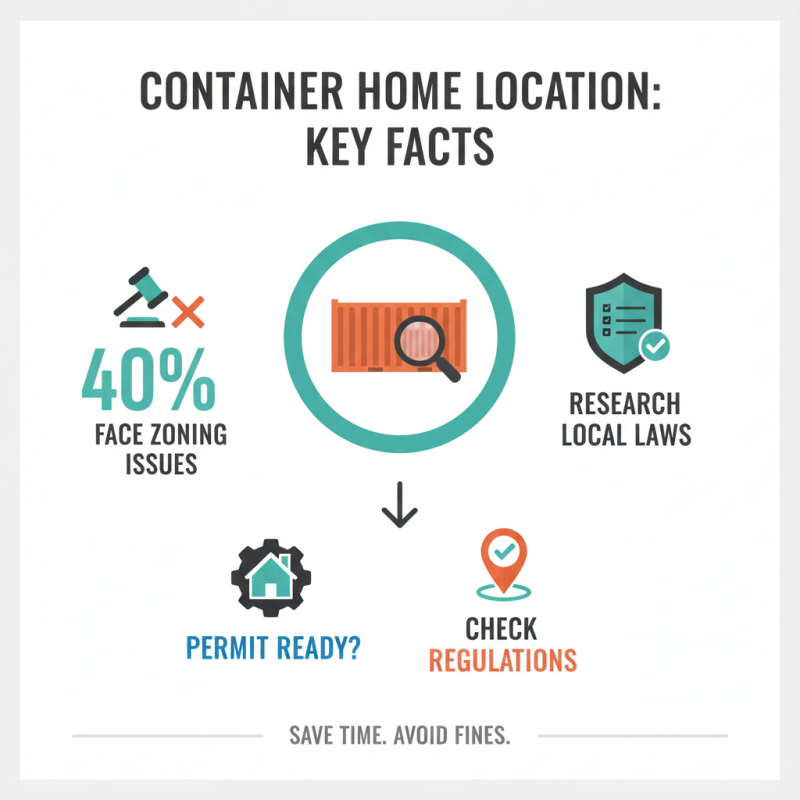
Choosing the right location for your refurbished container home is crucial. Research shows that nearly 40% of container homes face zoning issues. Local laws often dictate where you can place these homes. Check regulations carefully before making any decisions.
Proximity to amenities can enhance your living experience. A report from the National Association of Realtors indicates that homes close to schools and parks can appreciate in value by 15% more than those in isolated areas. This is a vital consideration when selecting a site.
Soil stability matters too. Many owners overlook this aspect. Weak soil can lead to structural issues over time. Investing in soil testing might seem unnecessary but can save you costly repairs later. Balancing location, zoning, and conditions is not easy, but it's essential for a sustainable living space.
When planning to buy a refurbished container home, budgeting is essential. Consider not only the purchase price but also renovation costs. Refurbished units often need upgrades. Assess the condition carefully. Are the walls intact? Is the plumbing functional? Small issues can quickly add up. It’s wise to have a contingency fund for unexpected repairs.
Estimates for interior renovations vary widely. A simple kitchen upgrade may start at a few thousand dollars. Budget for flooring, insulation, and windows. Each choice impacts your comfort and energy efficiency. Perhaps you wish to customize the layout. That can escalate costs further. Research local prices to get a realistic picture.
Don’t forget about exterior work. Painting and landscaping can transform the container’s appearance. You may also want to modify the entry points. Such enhancements seem small but can be surprisingly expensive. Think about utilities; hooking up water and electricity can have hidden costs. Reflect on these aspects before making your final decision.