10 Essential Tips for Building Your Own Converted Container House
Building a converted container house is becoming a popular trend among homeowners searching for innovative, sustainable, and cost-effective living solutions. These structures, which repurpose shipping containers into comfortable and stylish living spaces, offer a unique opportunity to create a home that stands out while minimizing environmental impact. As the trend gains momentum, it’s essential to understand the key considerations involved in the design and construction of such a dwelling.
In this guide, we will present 10 essential tips that will help you navigate the process of building your own converted container house. From choosing the right containers and layout to ensuring proper insulation and utilities, each tip is designed to streamline your project and enhance the livability of your space. By incorporating these insights, you’ll be well on your way to creating an innovative home that reflects your personal style and values, while also embracing the future of modern living.
Choosing the Right Container: Factors to Consider for Your Home
When it comes to building a converted container house, choosing the right container is a crucial first step. Consider the size and condition of the container; typically, you’ll find standard 20-foot and 40-foot containers, but the choice depends on your space requirements and design preferences. Inspect the structural integrity of the container, looking for any signs of rust or damage that could compromise the safety and longevity of your home. A well-maintained container can serve as a solid foundation for your living space, while a worn-out one may incur extra repair costs.
Additionally, factor in the material and insulation when selecting your container. Cargo containers are usually made of corten steel, which offers durability but can be poor insulators. If you live in an area with extreme temperatures, you might need to invest in high-quality insulation and consider the thermal performance of your chosen container. Think about ventilation as well; improper airflow can lead to condensation and mold, which are detrimental to a healthy living environment. By carefully evaluating these factors, you'll be better equipped to create a comfortable and sustainable home from a shipping container.
Designing Efficient Layouts: Maximizing Space in a Container House
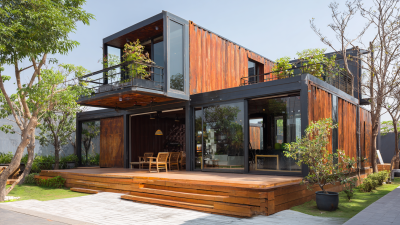
Designing a container house requires a keen focus on maximizing space to ensure comfort and functionality. One of the first steps in creating an efficient layout is to consider an open floor plan that promotes fluid movement and interaction within the space. This approach not only enhances the aesthetic appeal but also allows for flexible use of the area, accommodating various needs such as living, working, and entertaining seamlessly.
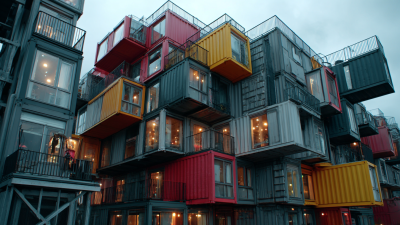
Moreover, storage solutions are crucial in container homes due to their limited square footage. Incorporating built-in shelves, multi-functional furniture, and utilizing vertical space can significantly help in maintaining an organized environment. As exemplified in contemporary design practices, the goal is to challenge traditional aesthetics and explore innovative approaches to space utilization. By embracing these principles, container house designers can create environments that are not only efficient but also inspiring and adaptable to diverse lifestyles.
10 Essential Tips for Building Your Own Converted Container House
Insulation and Ventilation: Keeping Your Container Home Comfortable
Insulation and ventilation are critical components in ensuring that your converted container house remains comfortable throughout various seasons. Due to the metal structure of shipping containers, they are prone to extreme temperature fluctuations. During hot summer days, the interior can heat up rapidly, while cold winters can leave the space frigid. To combat this, effective insulation is necessary. Options like spray foam insulation or rigid foam boards are popular due to their high insulation value and ease of installation. Proper insulation not only helps maintain a steady indoor temperature but also improves energy efficiency, ultimately reducing heating and cooling costs.
In addition to insulation, adequate ventilation is essential to create a healthy living environment inside your container home. Without proper airflow, moisture can build up, leading to mold and unpleasant odors. Installing windows that can be opened, employing exhaust fans in kitchens and bathrooms, and integrating a mechanical ventilation system can greatly enhance air quality. Cross-ventilation should be a key consideration, allowing fresh air to circulate freely. Together, these strategies ensure that your container home remains a comfortable and inviting space, regardless of external weather conditions.
Essential Utilities: Plumbing and Electricity in Container Conversions
When converting a shipping container into a livable space, integrating essential utilities like plumbing and electricity is crucial for ensuring comfort and functionality. According to a report by the National Association of Home Builders, approximately 50% of home construction costs are attributed to plumbing and electrical systems. This underscores the importance of planning these utilities carefully within your container layout to avoid costly retrofits later on.
For plumbing, consider the placement of fixtures and connection to existing water lines. The average cost of plumbing installation ranges from $4,000 to $12,000 for a standard home, which can vary widely based on the complexity of the system and local labor rates. Utilizing compact, efficient fixtures can help reduce water usage, aligning with sustainability goals often associated with container living. Additionally, joining a network of DIY container home builders can provide insights into innovative plumbing solutions—such as rainwater harvesting systems—that maximize functionality while conserving resources.
Electricity is another critical component that demands thoughtful integration. According to the U.S. Department of Energy, efficient electrical installation can reduce energy consumption by up to 30%. Utilizing LED lighting and Energy Star appliances not only lowers energy bills but also promotes an eco-friendly lifestyle. Furthermore, when setting up electrical systems, incorporating smart home technology can provide convenience and remote management of energy use, enhancing the overall efficiency of your converted container home.
10 Essential Tips for Building Your Own Converted Container House - Essential Utilities: Plumbing and Electricity in Container Conversions
| Tip Number |
Tip Description |
Key Considerations |
Estimated Costs |
| 1 |
Choose the Right Container |
Size and condition are crucial. |
$2,000 - $5,000 |
| 2 |
Plan Your Layout |
Maximize space and functionality. |
Free - $200 for software tools |
| 3 |
Obtain Necessary Permits |
Check local regulations. |
$100 - $500 |
| 4 |
Design for Insulation |
Choose materials effectively. |
$1,500 - $3,000 |
| 5 |
Install Plumbing Systems |
Plan water supply and drainage. |
$1,000 - $3,000 |
| 6 |
Focus on Electrical Wiring |
Understand load requirements and safety. |
$800 - $2,500 |
| 7 |
Ensure Proper Ventilation |
Prevent moisture buildup. |
$300 - $800 |
| 8 |
Design for Energy Efficiency |
Use energy-efficient appliances. |
Varies by appliances |
| 9 |
Incorporate Renewable Energy Sources |
Consider solar panels or wind energy. |
$5,000 - $15,000 |
| 10 |
Plan for Maintenance |
Schedule regular inspections. |
Varies |
Sustainable Practices: Eco-Friendly Strategies for Your Container House
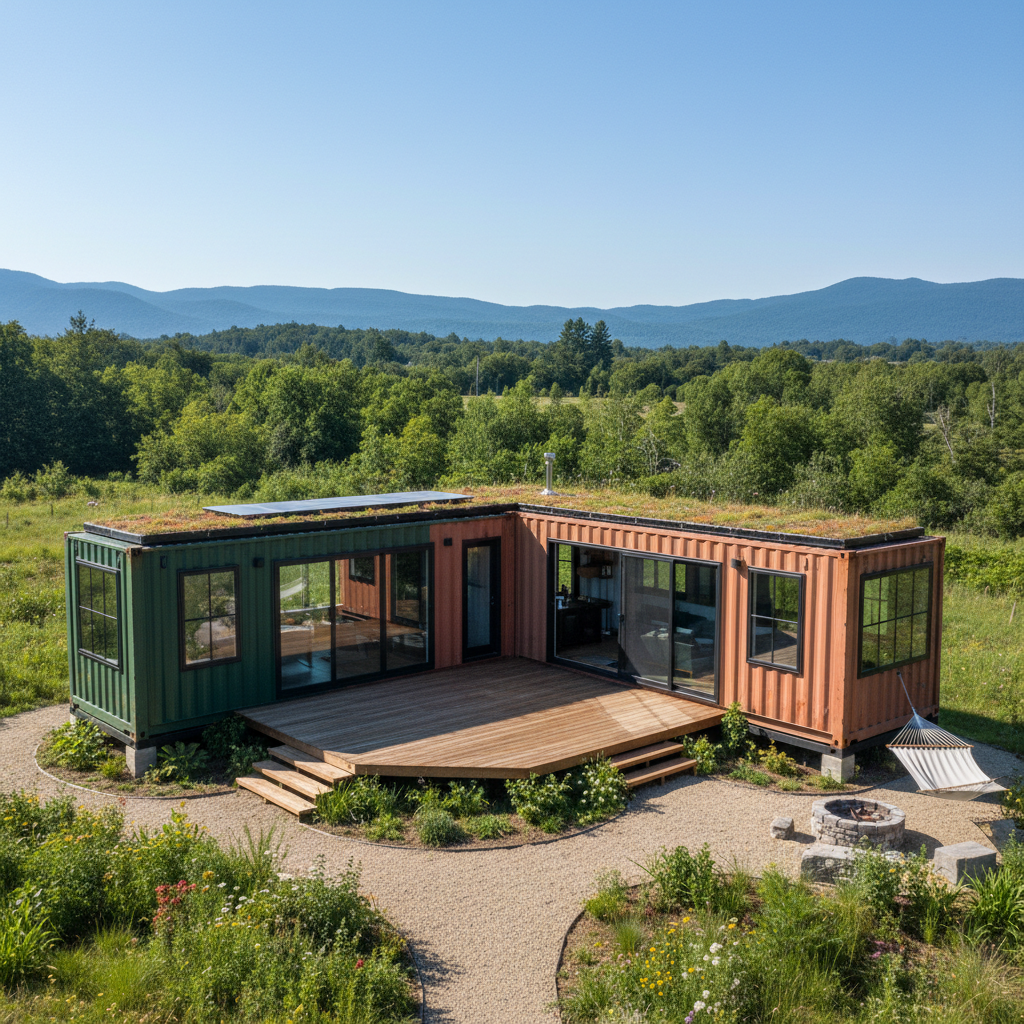
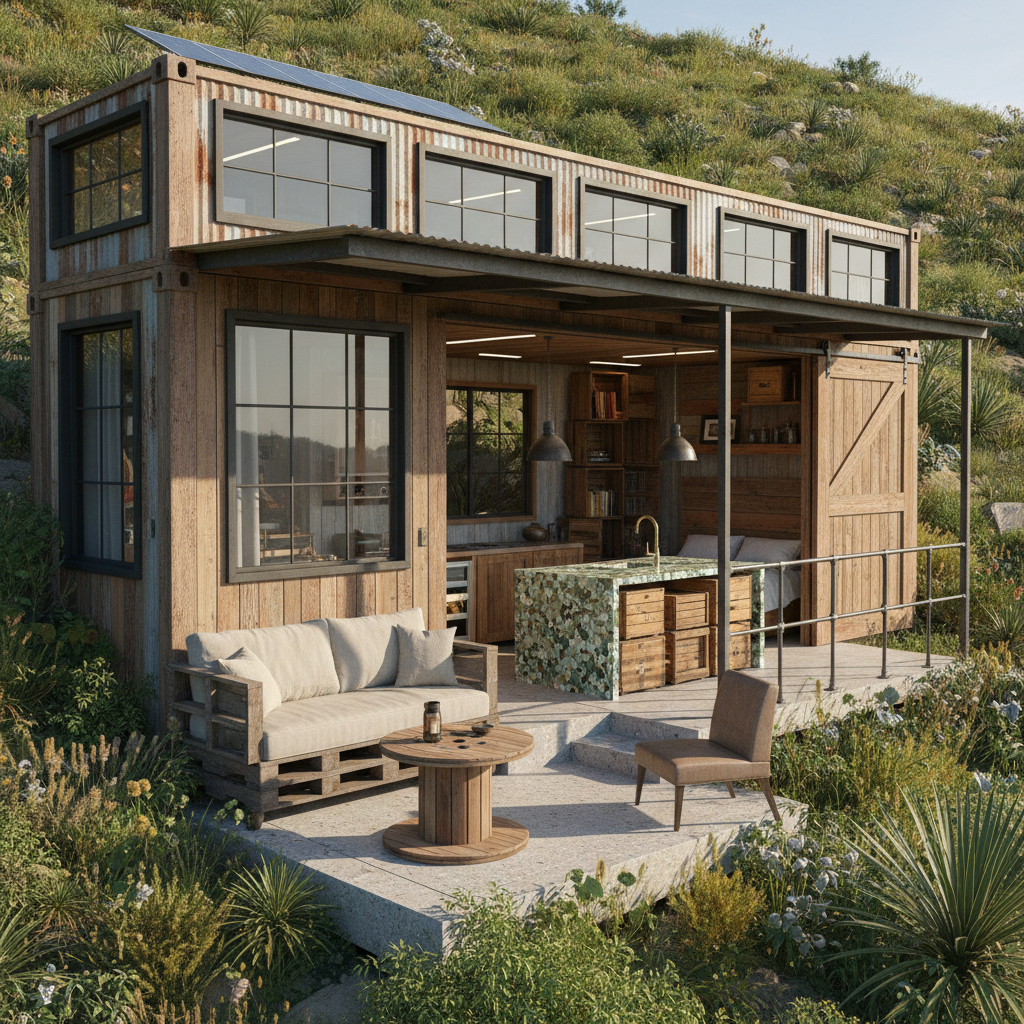
Building a converted container house offers a unique opportunity to embrace sustainable living. One of the most effective eco-friendly strategies is to prioritize the use of recycled materials not only in the construction of the house but also in the interior design. Items such as reclaimed wood, repurposed furniture, and salvaged fixtures can significantly reduce your ecological footprint. Additionally, incorporating energy-efficient appliances and fixtures helps minimize energy consumption, which is crucial for sustainable living.
Implementing renewable energy solutions is another vital aspect of creating an eco-friendly container house. Solar panels, for instance, can provide a reliable source of clean energy, reducing dependence on fossil fuels. Furthermore, consider installing rainwater harvesting systems to collect and utilize rainwater for irrigation and non-potable uses. By integrating these sustainable practices, you not only create a comfortable and stylish living space but also contribute positively to the environment and promote a greener lifestyle.