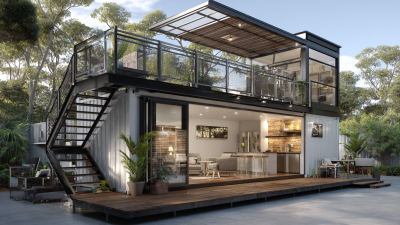
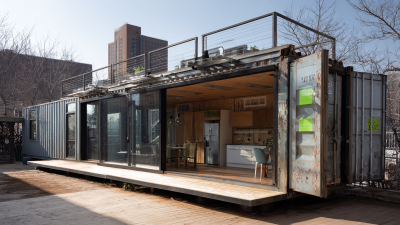
The use of shipping containers has evolved significantly beyond their original purpose of transporting goods across the globe. According to industry reports, the shipping container market is expected to grow substantially, with the global container market estimated to surpass $9 billion by 2026, driven by the increasing demand for sustainable and innovative solutions in both residential and commercial sectors. This growth reflects a broader trend toward repurposing materials and structures, aligning with modern sustainability initiatives.
Shipping containers offer unique advantages in various applications, ranging from affordable housing solutions to creative business spaces. Their durability, modularity, and transportability make them a preferred choice in a variety of industries. A study by the Containerization International revealed that businesses utilizing shipping containers for pop-up shops and office spaces can reduce construction costs by up to 50%, illustrating the potential for significant economic benefits. As architects and entrepreneurs explore the versatility of these structures, innovative designs and projects emerge, showcasing the endless possibilities of integrating shipping containers into everyday life. This article will highlight the top 10 creative uses for shipping containers, emphasizing their growing importance in contemporary home and business environments.
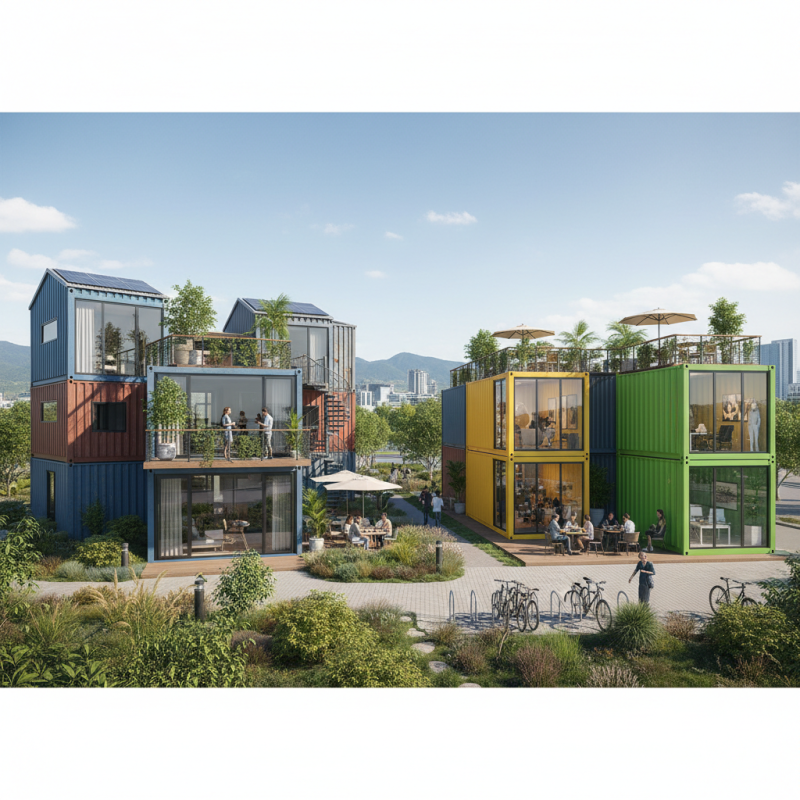
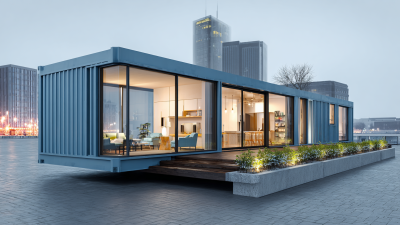
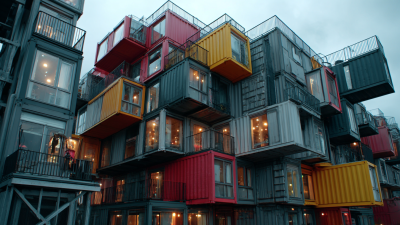
Shipping containers have emerged as a revolutionary solution for innovative residential living. Their sturdy structure and durability make them an ideal choice for building unique homes that stand out from traditional architecture. These repurposed containers can be customized to fit various lifestyles and preferences while promoting sustainable living practices. With the ability to stack multiple containers, homeowners can create spacious and modern multi-level homes that maximize both space and functionality.
In addition to their appealing aesthetics, shipping containers are cost-effective and environmentally friendly. They can be transformed with minimal effort into energy-efficient living spaces, equipped with modern amenities and eco-friendly technologies. Many homeowners are opting for features such as solar panels, rainwater harvesting systems, and green roofs, enhancing sustainability and reducing utility costs. This innovative approach to residential design not only fulfills the growing demand for affordable housing but also contributes to reducing construction waste and promoting a circular economy.
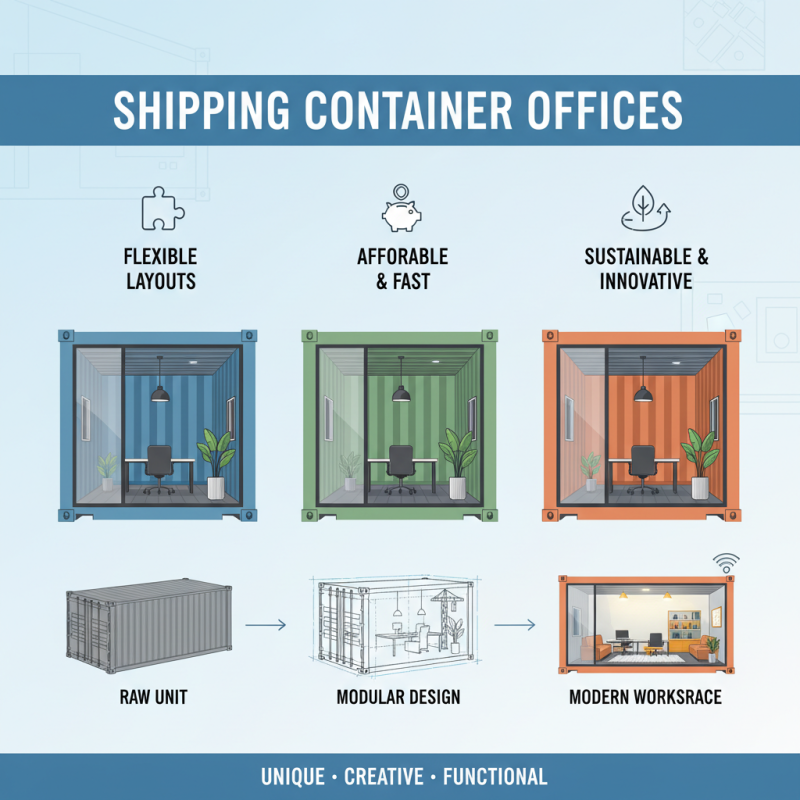
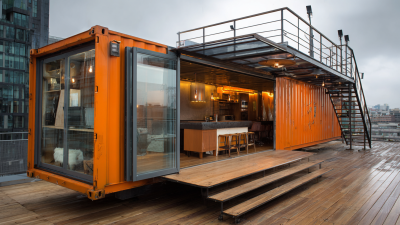
Shipping containers are increasingly being repurposed as creative and functional office spaces. These sturdy structures provide a unique solution for businesses looking to stand out, offering flexible layouts, affordability, and sustainability. Incorporating shipping containers into workplace design not only enhances aesthetics but also promotes a modern and innovative work atmosphere.
When considering a shipping container office, it's essential to optimize space effectively. Here are a few tips: First, invest in good insulation to regulate temperatures, making the space comfortable year-round. Second, consider an open floor plan to maximize natural light and encourage collaboration among employees. Finally, don’t forget to incorporate greenery; plants can improve air quality and create a more inviting environment.
Additionally, these containers can easily be modified to suit specific needs. From adding windows for natural light to partitioning areas for meetings, the design possibilities are virtually limitless. Choosing eco-friendly materials for interior finishes can further enhance sustainability, making shipping container offices not only a creative option but also an environmentally responsible choice.
Shipping containers have moved beyond their traditional roles in logistics and transportation, evolving into innovative retail solutions that capture the imagination of entrepreneurs and consumers alike. Transforming these steel boxes into unique retail outlets not only saves costs but also offers a customizable and eco-friendly alternative to conventional storefronts. From trendy pop-up shops to permanent installations, shipping containers provide a versatile space that can be tailored to fit any brand’s aesthetics and functional needs.
When considering a shipping container for commercial use, it’s essential to prioritize design and structure. A well-lit and inviting exterior can significantly enhance curb appeal, drawing customers in. Consider painting the container in vibrant colors or creating eye-catching signage that reflects your brand's identity. Inside, utilize modular furniture and adaptable layouts to optimize space for displays, storage, and customer flow.
Tips for success: Start by researching local regulations regarding the placement and modification of shipping containers for commercial use. Additionally, don't overlook the importance of landscaping around your outlet to create an inviting atmosphere. Finally, leverage social media to promote your unique retail space—after all, a visually striking shipping container is bound to become a buzz-worthy attraction that customers want to share.
| Use Case | Description | Benefits | Examples |
|---|---|---|---|
| Pop-up Retail Shop | Temporary stores that can be set up quickly. | Flexibility, cost-effective, trendy. | Seasonal markets, food festivals. |
| Cafés and Restaurants | Unique dining experiences in a container setting. | Novelty, quick setup, community engagement. | Outdoor dining events, food trucks. |
| Retail Boutiques | Curated shops for unique or local products. | Visual appeal, localized shopping, branding opportunities. | Farmers markets, artisanal fairs. |
| Art Galleries | Spaces to showcase local artists or exhibitions. | Non-traditional spaces, accessibility, community focus. | Art walks, community events. |
| Workshops | Spaces for educational activities and hands-on experiences. | Versatility, community building, skill sharing. | Craft fairs, cooking classes. |
| Fitness Studios | Spaces for specialized group workouts or yoga classes. | Low overhead, outdoor integration, innovative classes. | Pop-up yoga, boot camps. |
| Design Studios | Creative spaces for designers to work and display their products. | Collaboration, inspiration, artistic environment. | Fashion shows, design fairs. |
| Mobile Markets | Convenient grocery access through mobile or stationary setups. | Accessibility, fresh food options, community service. | Neighborhood markets, health initiatives. |
| Event Venues | Unique spaces for hosting events and parties. | Versatile, creative, memorable locations. | Weddings, corporate events. |
| Mobile Offices | Temporary workspace solutions for various industries. | Flexible locations, cost savings, easy setup. | Construction sites, remote work locations. |
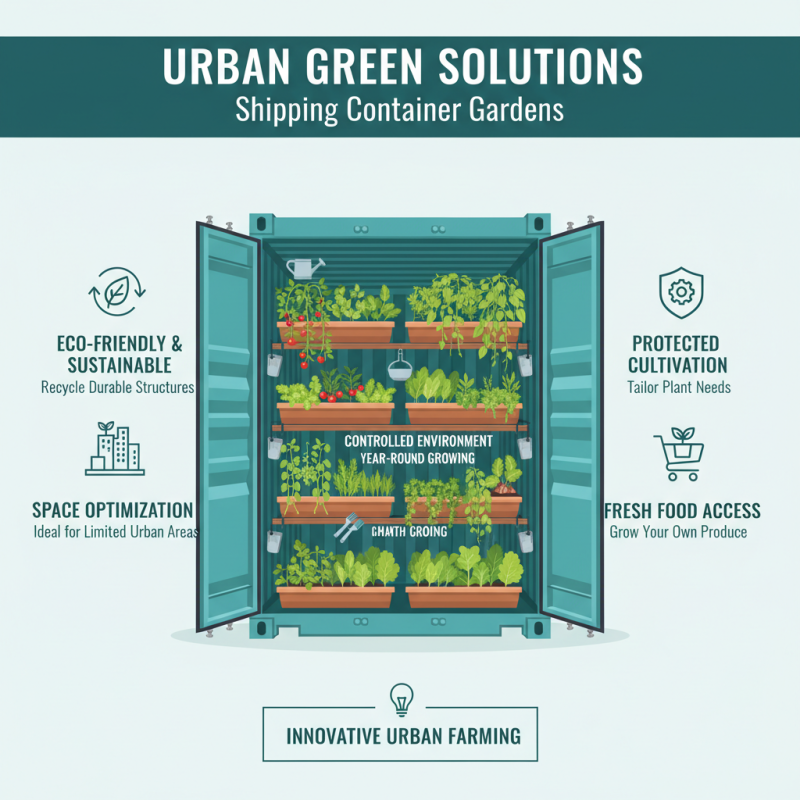
Shipping containers are versatile and innovative tools that can transform urban gardening spaces. Utilizing these durable structures as planters not only promotes eco-friendly gardening but also helps tackle the challenges of limited outdoor space in cities. By converting a shipping container into a garden, you create a controlled environment that can be tailored to the specific needs of your plants, making it an ideal solution for urban dwellers looking to grow their own food.
One of the key benefits of using shipping containers is their mobility. You can easily relocate them as needed, optimizing sunlight exposure and temperature control essential for plant growth. Additionally, their sturdiness protects plants from pests and harsh weather conditions. Consider incorporating various crops in your container, from vegetables to herbs, allowing for a diverse and productive garden.
**Tips for Container Gardening:**
1. Ensure proper drainage by drilling holes in the bottom of the container. This prevents waterlogged soil, which can harm your plants.
2. Use quality soil mix that provides nutrients and support. A combination of potting soil and compost can enhance growth and yield.
3. Regularly monitor your plants’ water needs, as container gardens can dry out quicker than traditional garden beds. Implement a watering schedule tailored to the needs of your specific plants.
Shipping containers have emerged as innovative and adaptable solutions for temporary event spaces, catering to a wide range of gatherings such as weddings, corporate functions, and music festivals. With their robust structure and customizable interiors, these containers can be transformed into stylish venues that reflect the unique theme and atmosphere of any event. The flexibility of shipping containers allows for easy setup and teardown, making them ideal for pop-up events where traditional venues might lack the necessary space or resources.
Moreover, the use of shipping containers for event spaces can significantly reduce costs typically associated with renting large halls or tents. Creative conversions can include adding windows, doors, and climate control systems, ensuring a comfortable and enjoyable experience for attendees. Their modular nature also means that they can be stacked or arranged in various configurations, providing both functionality and aesthetic appeal. As businesses and individuals seek out unique and green alternatives for events, shipping containers have positioned themselves as a versatile option for those looking to create memorable experiences without the constraints of conventional venues.