Top 10 Container Home Sizes for Every Lifestyle and Budget
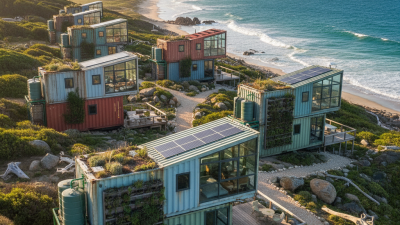
Container homes have become a popular alternative for those seeking affordable and flexible living solutions. This trend reflects a growing interest in diverse lifestyles and eco-friendly choices. Understanding different container homes sizes is essential for anyone considering this innovative housing option.
From compact studios to spacious family setups, container homes sizes vary greatly. Each size caters to unique needs and budgets. Some designs can be quite minimalistic, while others are efficient and luxurious. It's important to reflect on what you truly need versus what you desire.
Living in a container home requires one to rethink their space. It can challenge traditional notions of comfort and convenience. You might find that downsizing leads to simpler living. However, it may also raise questions about storage and layout. Embrace this journey, as each container home offers a reflection of your lifestyle choices and priorities.

Top 10 Container Home Sizes for Different Lifestyles and Budgets
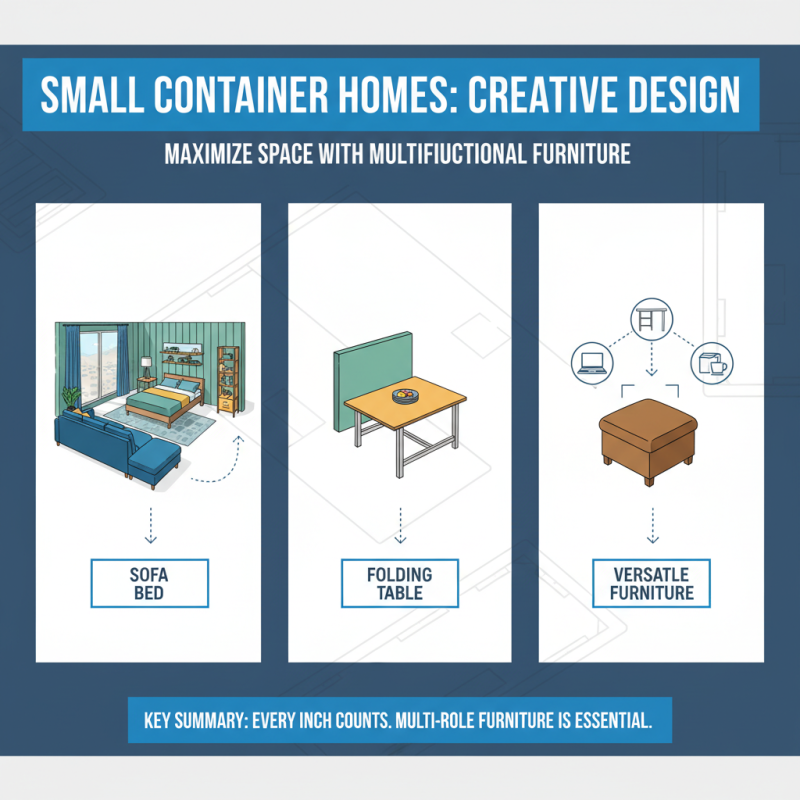
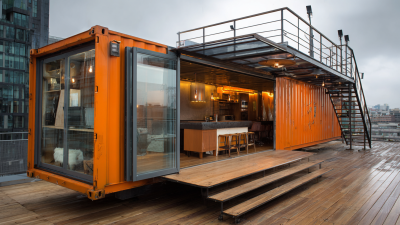
Container homes come in various sizes, catering to different lifestyles and budgets. A small container home can be a cozy retreat, perfect for a single individual or a couple. These compact spaces often measure around 160 to 320 square feet. They provide just enough room for essentials, but can feel cramped without careful planning. Creativity in using vertical space and multifunctional furniture is essential.
For larger families, consider options ranging from 480 to 960 square feet. These homes can offer multiple bedrooms and spacious living areas. However, the challenge may arise in managing the layout effectively. Too many rooms can create a disconnect. Balancing open spaces with privacy is key. Larger designs might require more investment, but they also hold potential for future expansions.
Regardless of size, every container home presents its own set of unique challenges. Insulation can be tricky, and temperature regulation needs serious consideration. Light plays a significant role in making spaces feel larger. Many find it difficult to visualize how to transform these metal shells into livable homes. With careful thought and creativity, a container home can reflect one’s lifestyle beautifully.
Understanding Container Home Dimensions: Key Metrics and Designs
When considering a container home, understanding dimensions is crucial. The standard shipping container is typically 20 or 40 feet long. The width is about 8 feet, and the height reaches approximately 8.5 feet. These metrics create a solid foundation for varied designs. A 20-foot container provides around 160 square feet. This compact space can offer a cozy lifestyle for one or two people.
Tips: Consider multipurpose furniture to maximize small areas. Invest in foldable tables and hidden storage. These solutions can make your living space feel more open.
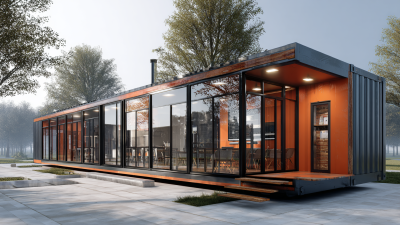
For families, larger containers or multiple units may be needed. A 40-foot container provides ample space for a small family. Adding windows and insulation transforms the interior. It is essential to plan for natural light. Without it, rooms can feel claustrophobic.
Tips: Use mirrors to enhance light and space perception. Painting in lighter colors also helps create an airy feel. Reflect on your lifestyle needs. Do you prefer an open layout or separate rooms? Identifying this will guide your design process.
Evaluating Budget Constraints: Cost Analysis of Various Container Sizes
Choosing the right size for a container home is crucial. Each size has its own cost implications. A smaller container may seem cheaper upfront. However, additional expenses can arise from land costs and utilities. A 20-foot container can be a budget-friendly option for singles or couples. It might require fewer modifications, keeping expenses low.
Larger containers, like 40-foot options, provide more space but also come with higher costs. They accommodate families or those wanting extra features. More rooms mean more money spent on insulation, plumbing, and electrical work. This can be overwhelming. It’s easy to think bigger is better, but it often leads to cost overruns. Balancing size with needs is essential.
Think about your lifestyle. Do you really need extra space? A minimalist approach can keep costs down. Focusing on necessity over luxury can lead to satisfaction. Remember to plan for unforeseen expenses. Materials, labor, and permits can add up quickly. Staying aware of these factors can help you avoid common pitfalls in your container home journey.
Top 10 Container Home Sizes for Every Lifestyle and Budget
| Container Size (sq ft) |
Typical Dimensions (ft) |
Estimated Cost ($) |
Ideal For |
| 160 |
8 x 20 |
$10,000 |
Single Individuals |
| 320 |
8 x 40 |
$15,000 |
Couples |
| 640 |
10 x 40 |
$28,000 |
Small Families |
| 960 |
10 x 48 |
$40,000 |
Growing Families |
| 1280 |
10 x 64 |
$55,000 |
Large Families |
| 1600 |
10 x 80 |
$70,000 |
Multi-Generational Living |
| 2000 |
10 x 100 |
$90,000 |
Home Offices/Studios |
| 2400 |
10 x 120 |
$120,000 |
Small Communities |
| 3000 |
10 x 150 |
$150,000 |
Co-Housing Projects |
| 3600 |
10 x 180 |
$180,000 |
Large Communities |
Lifestyle Considerations: Choosing Container Sizes for Families vs. Singles
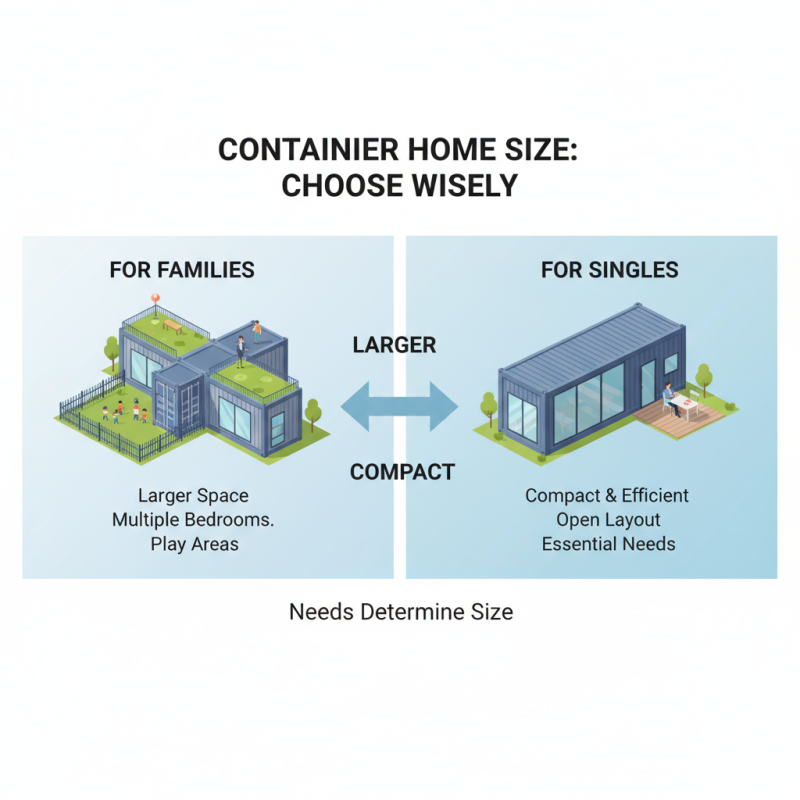
Choosing the right container home size is crucial. Families have different needs than singles. A family may require a larger space for bedrooms and play areas. A single person might prioritize a compact, efficient layout.
For a family of four, a 40-foot container provides enough room. It can accommodate two bedrooms, a living area, and even a small kitchen. Kids need space to play, so a yard would be ideal. On the other hand, a single individual might find a 20-foot container perfect. A combined living and sleeping area can suffice, focusing on minimalism and functionality.
Balancing lifestyle with space is often challenging. Families may feel cramped in a small container. Meanwhile, singles may feel overwhelmed by a larger layout. Reflecting on one’s lifestyle is key. What do you really need? Understanding this helps in selecting the right size for comfort and practicality.
Space Utilization Strategies: Maximizing Functionality in Small Container Homes
Small container homes offer unique opportunities for creativity in design. With limited space, utilizing every inch becomes crucial. One effective strategy is multifunctional furniture. A sofa that converts into a bed maximizes sleeping space. Folding tables can be tucked away when not in use. Each piece should serve multiple roles.
Storage is another essential element in maximizing functionality. Vertical storage solutions, like shelves and cabinets, make use of wall space. Baskets and bins can organize clutter under beds or in nooks. It's important to be intentional with organization. Clutter can easily overwhelm a small area, so regular reassessment of belongings is key.
Lighting plays a vital role in perception of space. Natural light helps a small home feel larger. Strategic placement of mirrors can also create an illusion of depth. However, with all these strategies, it’s essential to reflect on personal needs and habits. Not every approach will work for everyone. Adjusting and evolving the space is part of the journey in making a container home truly functional.
Conclusion
The article "Top 10 Container Home Sizes for Every Lifestyle and Budget" provides a comprehensive overview of the various container homes sizes available for different needs and financial considerations. It outlines key metrics and design concepts essential for understanding container home dimensions, helping readers make informed decisions based on their lifestyle. As it highlights the importance of evaluating budget constraints, it offers a cost analysis that categorizes container sizes by affordability.
Furthermore, the article delves into lifestyle considerations, discussing how families and singles can choose suitable container sizes that enhance their living experience. It also emphasizes space utilization strategies, revealing tips to maximize functionality in smaller container homes. Lastly, the piece addresses the environmental impact of container homes, showcasing their sustainability across various sizes, making them an eco-friendly option for today's discerning homeowners.