How to Choose the Right Fiberboard Medium Density Board?
Choosing the right Fiberboard Medium Density Board (MDF) requires careful consideration of various factors. The MDF market has been growing steadily, with a reported increase of over 8% annually from 2020 to 2023. This trend showcases the rising demand for versatile and sustainable materials in the furniture and construction industries.
MDF is known for its uniform density and smooth surface, making it ideal for intricate designs. Yet, not all MDF is created equal. It's crucial to assess the board's quality, which can vary significantly across manufacturers. Industry reports have highlighted a gap between high-performing MDF and lower-quality options. Selecting subpar boards can lead to issues like warping or delamination over time.
Additionally, sustainability plays a vital role in today’s market. Over 50% of consumers prefer eco-friendly products, and many MDF manufacturers are now using recycled materials. However, navigating these options can be daunting. Buyers need to reflect on their specific needs and weight the environmental impacts of their choices in the long run.
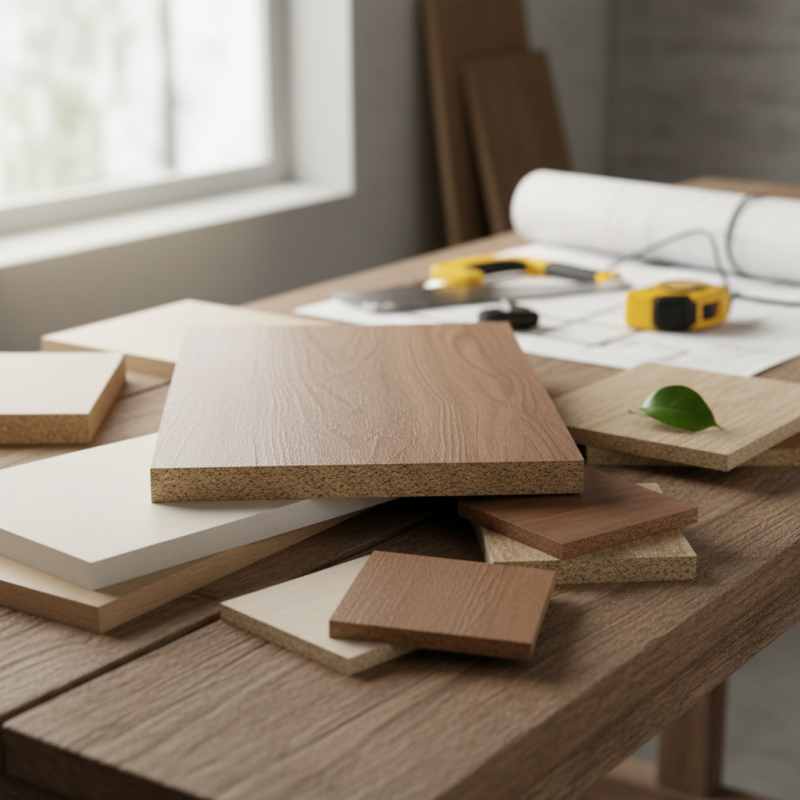
Understanding Fiberboard: Defining Medium Density Fiberboard (MDF)
Medium Density Fiberboard (MDF) is a popular choice for various applications. It is composed of wood fibers, wax, and resin, all compressed together. This composition gives MDF a fine surface. It is suitable for painting and veneering.
When selecting MDF, consider its density. Higher density boards are typically more durable. They hold up better under stress and provide a smoother finish. Lighter boards are easier to handle but may not be as sturdy. Always check the thickness as well. Thicker boards can support heavier loads.
Tips for choosing the right MDF include evaluating its moisture resistance. This is crucial for areas exposed to humidity, like kitchens or bathrooms. Additionally, ensure it is sourced from reliable manufacturers. Look for certifications that indicate quality and safety. Research wood content to avoid harmful chemicals. With the right knowledge, you'll find the perfect MDF for your project.
Key Properties of MDF: Density, Moisture Resistance, and Durability
MDF, or Medium Density Fiberboard, is popular for furniture and cabinetry. Its density plays a crucial role in determining its strength and application. Higher density MDF can support heavier loads, making it ideal for shelving and tabletops. Conversely, lower density options may be suitable for lightweight projects. Choosing the right density is vital to meet the specific needs of your project.
Moisture resistance is another key property of MDF. Standard MDF is not suitable for damp areas. However, moisture-resistant MDF is available for kitchens and bathrooms. This ensures longevity and prevents warping. It's important to consider the environment where the MDF will be used. Even small amounts of moisture can cause damage, leading to a need for replacement.
Durability is a significant factor as well. MDF is less durable than solid wood, which requires careful handling. It can scratch and dent easily. Such imperfections may require refinishing or replacement. We must weigh the pros and cons. Sometimes, the use of MDF can be a double-edged sword. Recognizing its limitations is crucial for achieving satisfactory results.
Comparing MDF to Other Fiberboard Types: Pros and Cons
MDF, or Medium Density Fiberboard, stands out in the fiberboard family for its consistency and versatility. According to a recent industry report by IBISWorld, MDF commands over 30% of the fiberboard market due to its affordability and smooth surface. Unlike plywood, MDF doesn’t have knots or grain variations, making it ideal for painted finishes. However, MDF is heavier and more susceptible to moisture damage, requiring careful handling and storage.
When comparing MDF to particleboard, the difference is stark. Particleboard contains larger wood chips and is generally less expensive. However, it lacks the strength and durability of MDF. Research from the Forest Products Laboratory indicates that MDF has a higher density, which contributes to superior soundproofing qualities. This makes it favorable for applications like cabinetry and furniture. Yet, its production involves adhesives that may emit VOCs, raising health concerns.
Furthermore, the eco-friendliness of each material is worth considering. While MDF can be made from recycled fibers, particleboard relies heavily on lower-grade wood and has a higher environmental footprint. Still, both materials need reflection on their sustainability practices. Ultimately, the choice between MDF and other fiberboards hinges on the specific needs of the project, balancing cost, performance, and environmental impact.
Selecting the Right Applications for MDF in Construction and Furniture
Choosing the right applications for Medium Density Fiberboard (MDF) in construction and furniture can be challenging. MDF is known for its versatility and ease of use. It is widely utilized in cabinets, shelving, and even decorative moldings. However, understanding how to use it effectively is essential.
When considering MDF for furniture, think about its density and finish. It is often smoother than plywood, allowing for excellent paint finishes. This feature makes it a popular choice for modern, sleek designs. Ensure to use proper edge banding to avoid damage. It's also vital to consider the environmental factors. MDF can swell when exposed to moisture, so avoid using it in bathrooms or kitchens without proper sealing.
Tip:
Always check the weight capacity of MDF before creating large shelves.
In construction, MDF can be used for detailed carvings and moldings. It shines in non-structural applications. However, keep in mind its limitations. Overloading MDF can lead to bend or break. Additionally, consider the source of the MDF.
Quality can vary widely based on manufacturing practices.
Tip:
Invest in quality MDF to ensure durability and performance.
Choosing the right application for MDF requires a balance of creativity and practicality. Some projects may highlight its strengths, while others might expose its vulnerabilities. Being mindful of these aspects can lead to better outcomes.
Evaluating Environmental Impact: Certifications and Sustainable Practices
When selecting medium density fiberboard (MDF), environmental impact is crucial. Look for certifications that showcase commitment to sustainable practices. Products labeled with the Forest Stewardship Council (FSC) certification ensure responsible sourcing of wood. This indicates that the wood comes from forests that are well-managed and environmentally friendly. Choosing FSC-certified boards can reduce the negative effects of deforestation and habitat loss.
Another aspect to consider is the use of low-emission adhesives and materials. Some MDF products emit volatile organic compounds (VOCs), which can affect indoor air quality. Opting for boards labeled as low-VOC can create a healthier environment. Organizations often provide information about VOC emissions, allowing for more informed decisions. However, not all claims are backed by rigorous standards, making it vital to verify these certifications.
Even with certifications, challenges persist. The veneer of sustainability can sometimes obscure underlying issues. Not all products with green labels are equal in terms of environmental impact. It’s essential to research and compare various options. Scrutinizing the sourcing and production processes can reveal more about a product’s true environmental footprint. Conscious choices can lead to more sustainable living without compromising quality or performance.


