How to Choose the Best WPC Decking Boards for Your Project?
When planning a decking project, selecting the right WPC decking boards is crucial. These boards combine durability with aesthetic appeal, making them a popular choice. However, the market is flooded with options, which can create uncertainty. It's essential to assess various factors before making a decision.
Consider the intended use of your deck. Will it withstand heavy foot traffic or be a space for relaxation? Not all WPC decking boards are designed the same. Some may fade or warp under certain conditions. Additionally, the environmental aspects are vital. Are they made from recycled materials? This may reflect a commitment to sustainability.
Cost can also influence your choice. Comparing prices of different brands can be overwhelming. However, cheaper options may lead to disappointment later. Seek advice from experts or experienced individuals. Their insights can help you make an informed choice. Ultimately, selecting the best WPC decking boards involves careful consideration of quality, purpose, and sustainability.
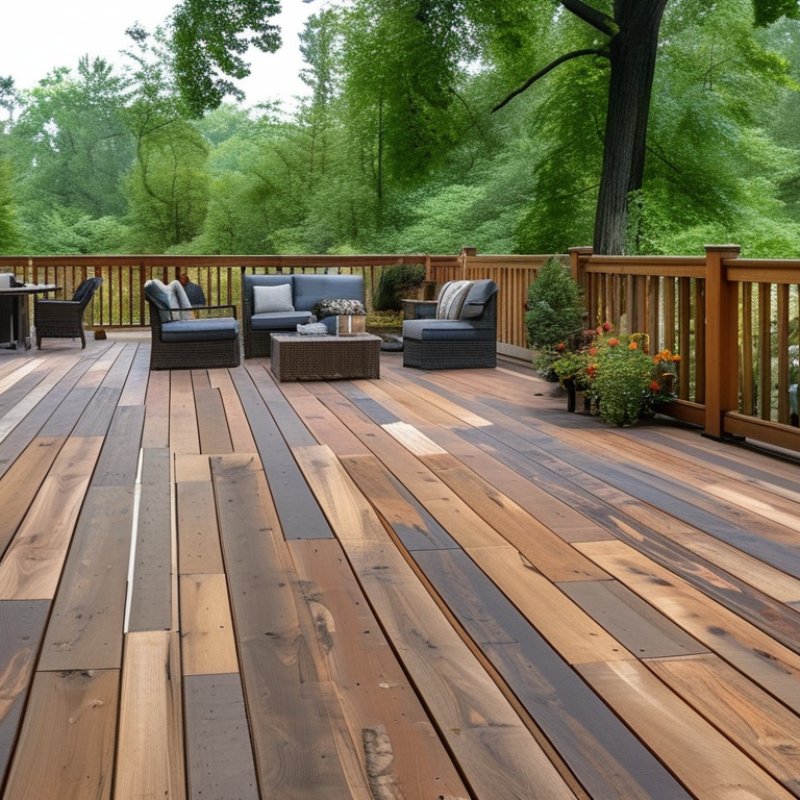
Understanding WPC Decking: Definition and Benefits
WPC decking, or wood-plastic composite decking, offers a blend of durability and aesthetics. This material combines wood fibers with plastic, creating a robust board resistant to rot and fading. Homeowners appreciate its low maintenance needs. You won’t have to worry about splintering or excessive oiling.
When choosing WPC decking, think about how you’ll use it. High foot traffic areas need sturdy boards. Look for products with good wear ratings. Check for slip resistance too. Imagine hosting family gatherings or quiet evenings. Choose a color that complements your home’s style, whether you prefer natural wood tones or modern hues.
Tips for choosing WPC decking: Examine the warranty details. A longer warranty often indicates better quality. Don’t overlook installation ease. Some boards snap together quickly, making your project smoother. Lastly, think about environmental impact. Recycled materials are a plus, appealing to eco-conscious homeowners. Your choice reflects your values and enhances your outdoor space.
Key Factors to Consider When Selecting WPC Decking Boards
Choosing the right WPC (Wood Plastic Composite) decking boards is crucial for your project. It's essential to consider various factors when making your selection. The durability of the material is vital. WPC decking boards are designed to withstand harsh weather, but not all products are created equal. Look for boards that offer a good warranty to ensure long-lasting use.
Tip: Check the manufacturer's specifications. This helps in understanding the board’s resistance to fading, scratching, and moisture.
Another factor to ponder is the visual appeal. Different textures and colors are available. Selecting a style that complements your outdoor space makes a difference. Examine samples in natural light to see how they fit into your environment.
Tip: Sometimes, mixing styles can create a unique look. But, ensure harmony in design to avoid a chaotic appearance.
Lastly, consider your budget. WPC boards can vary significantly in price. Cheaper options may be tempting, but they might not provide the longevity you need.
Tip: Think about long-term costs. Investing in quality boards now may save you money down the line on repairs or replacements. Always weigh choices carefully to find the best balance between cost and quality.
Comparing Different Types of WPC Decking Materials
When comparing different types of WPC (Wood Plastic Composite) decking materials, it’s essential to look at their composition and performance characteristics. WPC decking typically combines wood fibers with recycled plastic. Reports show that this mix can reduce waste by up to 70%. However, the ratios of wood to plastic can significantly affect durability and aesthetics. Some options might include a higher percentage of wood, making them more prone to fading and warping over time.
Research indicates many consumers prefer capped WPC boards, which have an outer layer of plastic that provides extra protection against moisture and insects. This can extend the lifespan to 25 years or more. In contrast, uncapped boards may be less durable but offer a more authentic wood look. It's crucial to consider your local climate too. In humid areas, capped boards often perform better, while drier climates might allow for more versatile choices.
Cost is another factor to weigh. Average prices for WPC decking range from $2 to $10 per square foot. However, lower-cost options may not deliver on strength or longevity. Always check the warranty details. Some brands promise 20-30 years of performance, while others might only cover a fraction of that time. Ultimately, balancing aesthetics, cost, and durability is key to making the right choice.
Evaluating WPC Decking Brands and Their Eco-Friendliness
When selecting WPC decking boards, eco-friendliness is a crucial factor. Many brands advertise their products as sustainable. However, it's important to dig deeper into their claims. Look for certifications from environmental organizations. These can provide insight into a brand's commitment to sustainability.
Another consideration is the sourcing of raw materials. Some brands use recycled wood fibers and plastic. This contributes to waste reduction and lowers the carbon footprint. Investigating a company's production methods can reveal its eco-efficiency. Transparency in the supply chain is a good sign of trustworthiness.
Not all WPC decking is created equal. Some products may contain harmful chemicals affecting the environment. This raises questions about safety and durability. Reading customer reviews can offer valuable insights. They reflect real-world experiences. Take your time to weigh different options before making a decision.
Maintenance and Longevity of WPC Decking Boards
When considering WPC (Wood Plastic Composite) decking boards, maintenance and longevity are paramount. According to industry reports, properly maintained WPC decks can last between 25 to 30 years. This significantly outperforms traditional wood decking, which typically requires replacement after 10 to 15 years. A vital aspect of maintaining WPC decks is regular cleaning. Using mild soap and water can prevent mold and mildew buildup.
Even though WPC materials are engineered for durability, they aren't entirely maintenance-free. Some owners have reported fading in brighter colors after years of exposure to sunlight. It’s essential to apply UV protectants to maintain color integrity and resistance to weather elements. Moreover, while WPC is designed to resist splintering and cracking, improper installation can lead to serious issues. Ensuring a well-ventilated substructure can also prolong the life of your decking boards.
Evaluate your environmental conditions. In areas with heavy rainfall, proper drainage systems are necessary to avoid moisture accumulation. In contrast, dry and arid locations might increase the risk of drying out. Always consider these factors, as they can influence the lifespan of your WPC decking boards. Balancing beauty and longevity requires commitment and ongoing assessment.


