Containers in Motion

How to Choose the Best Container Camps for Your Next Outdoor Adventure

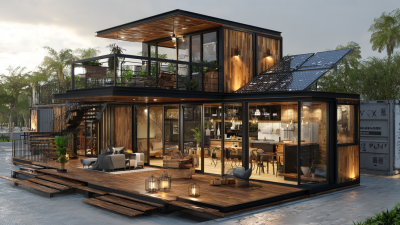
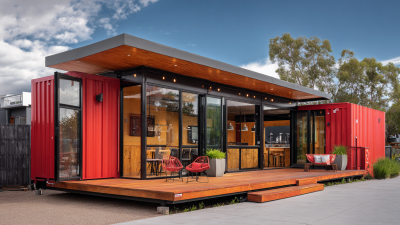
When planning your next outdoor adventure, choosing the right accommodation can significantly enhance your overall experience. One increasingly popular option is container camps, which offer a unique blend of comfort and functionality in a variety of stunning locations. These innovative accommodations have transformed repurposed shipping containers into cozy spaces that withstand the elements while providing essential amenities for campers. As you explore the possibilities of container camps, it’s crucial to consider various factors that will ensure you select the best option tailored to your needs.

In this guide, we will delve into important aspects to consider when choosing container camps for your outdoor excursion. From location and design to amenities and environmental impact, understanding these elements will help you make an informed decision. Container camps not only encapsulate a trendy and eco-friendly housing choice but also reflect a growing movement towards sustainable travel, allowing adventurers to enjoy nature without compromising on comfort. Prepare to embark on a journey that combines adventure with modern living, as we navigate the essential criteria for selecting the perfect container camp for your next adventure.
How to Choose the Best Container Camps for Your Next Outdoor Adventure

Understanding Container Camps: Types and Features

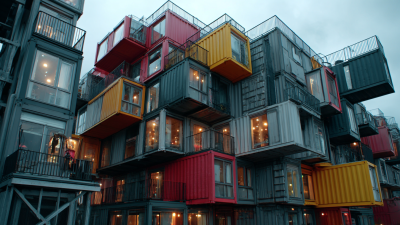
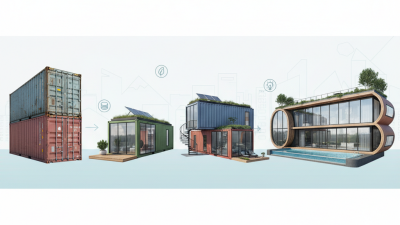
Container camps have gained popularity as a unique and versatile option for outdoor adventures, offering various types and features to cater to different preferences and needs. One of the most significant advantages of container camps is their modular design, which allows for easy customization and scalability. Depending on the location and purpose, you can choose between basic units, designed for minimal comfort, and fully equipped containers, complete with beds, kitchens, and bathrooms. This diversity makes them suitable for everyone—from solo travelers seeking solitude to families wanting a more comfortable camping experience.

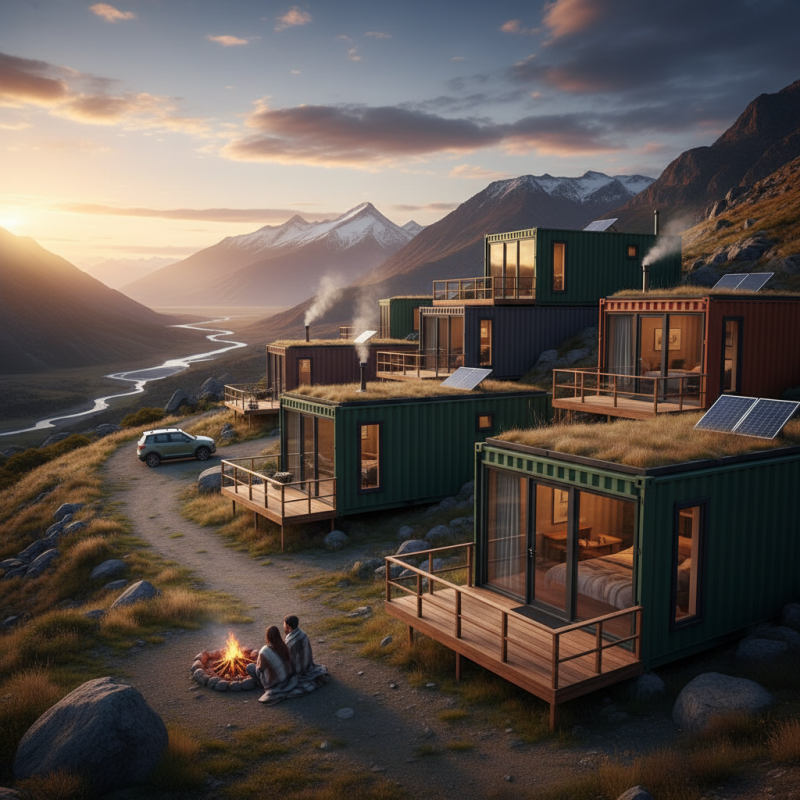
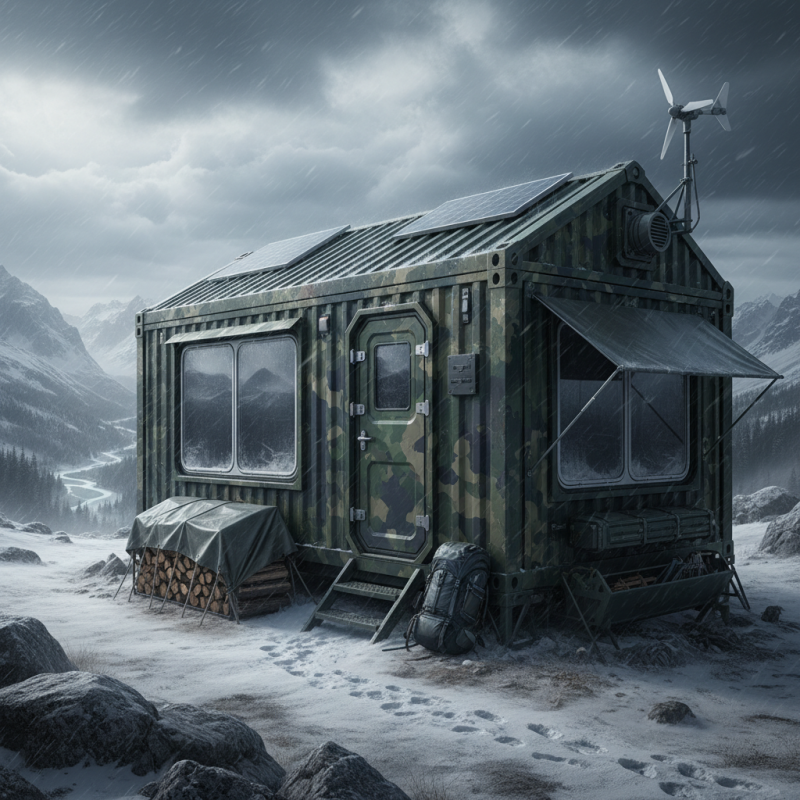
In addition to their adaptability, container camps often provide superior insulation and durability compared to traditional tents. Most container camps are built to withstand harsh weather conditions, ensuring a safe and pleasant environment regardless of the climate. Furthermore, many container camps are designed with sustainability in mind, incorporating eco-friendly features such as solar panels, rainwater harvesting, and efficient waste management systems. These thoughtful design choices not only enhance the camping experience but also minimize the environmental impact, making container camps an excellent choice for the eco-conscious adventurer.
Evaluating Essential Factors for Choosing Container Camps

When evaluating essential factors for choosing container camps for your outdoor adventures, the first consideration should be the location and accessibility of the site. Proper location not only enhances the aesthetic appeal but also ensures safety and convenience. Look for sites that provide easy access to essential amenities such as water sources, restrooms, and waste disposal facilities. Additionally, consider the proximity to recreational activities like hiking trails, lakes, or scenic viewpoints, which can significantly impact your overall experience.

Another crucial factor is the size and layout of the container camp. Evaluate how many occupants the camp can comfortably accommodate, taking into account both sleeping arrangements and communal spaces. The camp's design should offer adequate ventilation, insulation, and security to guarantee a comfortable stay regardless of weather conditions. Furthermore, investigate the camp's facilities, including cooking areas, storage solutions, and electricity supply, to ensure they meet your needs. By carefully assessing these factors, you can select a container camp that aligns perfectly with your adventure requirements and personal comfort.

Container Camps Selection Factors

Comparing Size and Space Requirements for Outdoor Activities

When planning an outdoor adventure, the choice of container camps often hinges on the size and space requirements essential for various activities. According to a report by the Outdoor Foundation, nearly 50% of outdoor enthusiasts prioritize space when selecting their camping gear, recognizing it as a crucial component for comfort and functionality. A well-designed container camp must accommodate not only sleeping arrangements but also areas for cooking, relaxation, and storage. Spatial efficiency can significantly enhance the overall experience, allowing individuals and families to enjoy their time in nature without feeling cramped or cluttered.

Furthermore, the Recreational Vehicle Industry Association (RVIA) highlights that campers need to consider not only the physical size of the container but also the dimensions of their outdoor space. For instance, different activities such as fishing, hiking, or biking require varied setups that can range from minimalist to spacious. A survey indicated that 70% of campers feel a more spacious layout noticeably improves their outdoor experiences. By taking into account the necessary space for gear, equipment, and personal comfort, adventurers can select a container camp that genuinely supports their lifestyle and favorite outdoor pursuits, promoting a harmonious blend of adventure and relaxation.

How to Choose the Best Container Camps for Your Next Outdoor Adventure - Comparing Size and Space Requirements for Outdoor Activities

Container Type Size (ft) Space Requirements (sq ft) Ideal for Activities Capacity (People)
Standard Container 20 x 8 160 Camping, Storage 2-4
High Cube Container 40 x 8.5 340 Extended Camping, Storage 4-6
Recreational Container 20 x 8 160 Leisure Activities, Events 2-3
Double Door Container 40 x 8 320 Storage, Camping 4-5

Assessing Durability and Weather Resistance in Container Camps

How to Choose the Best Container Camps for Your Next Outdoor Adventure

When it comes to outdoor adventures, selecting the right container camp can be pivotal, particularly in assessing durability and weather resistance. According to the Outdoor Industry Association, approximately 70% of outdoor enthusiasts prioritize gear that can withstand extreme weather conditions. Container camps constructed from high-grade materials like marine-grade aluminum or reinforced polyethylene often exhibit superior resistance to both UV rays and humidity. These materials can prevent warping and corrosion, providing lasting durability even in the harshest climates.

Moreover, research from the American Camping Association highlights that nearly 60% of campers experience adverse weather conditions during their outings. Therefore, seeking container camps designed with weather-resistant features, such as insulated walls and an effective drainage system, becomes essential. Studies reveal that insulated camps can reduce heat loss by up to 30% in cold temperatures, while effective drainage systems help mitigate water accumulation, thus enhancing overall comfort and safety. Evaluating these characteristics alongside the intended environment of your outdoor adventure is crucial for ensuring an enjoyable and secure experience.

Cost Analysis: Budgeting for Container Camps in Outdoor Adventures

How to Choose the Best Container Camps for Your Next Outdoor Adventure

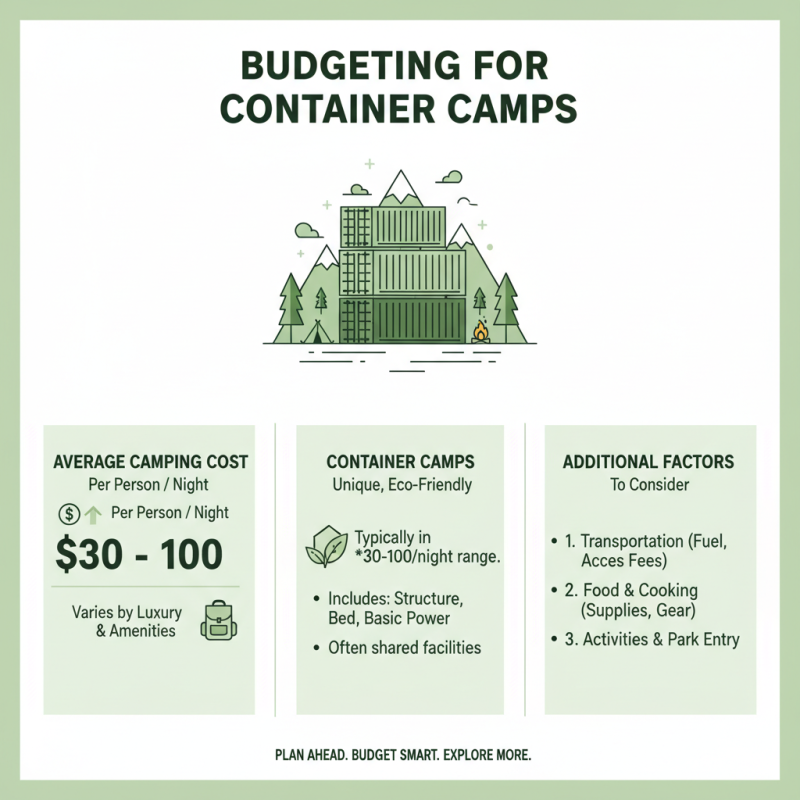
When planning your next outdoor adventure, budgeting for container camps is a crucial step that can significantly influence your overall experience. According to a report by the Outdoor Industry Association, the average cost of camping per person ranges from $30 to $100 per night, depending on the level of luxury and amenities provided. Container camps, which have gained popularity for their unique, eco-friendly approach to accommodation, typically fall within this price range, but with additional factors to consider.

The initial investment in container camps can be higher than traditional camping setups, averaging around $200 to $400 per night for more equipped sites. However, this cost often includes not just lodging, but also comprehensive services such as meals, guided activities, and disposable gear. A study by the National Camping Association highlights that campers who choose all-inclusive options, like container camps, tend to report a 25% higher satisfaction rate compared to those who are budget-conscious and opt for bare-bones camping experiences. Understanding these costs and the potential increase in overall satisfaction can help adventurers make more informed decisions about their next outdoor getaway.