How to Choose the Best Storage Container Buildings for Your Needs?
Storage container buildings have gained immense popularity due to their versatility and cost-effectiveness. According to a report by ResearchAndMarkets, the global market for portable storage solutions is expected to reach $27.1 billion by 2026. This growth highlights the increasing reliance on storage container buildings in various sectors, including construction, retail, and disaster recovery.
When choosing storage container buildings, it's crucial to consider factors that meet specific needs. Different industries require unique designs and sizes. For example, a construction site may need larger containers for equipment, while a retail business could benefit from smaller, customizable spaces. The flexibility of these structures allows for easy modifications, ensuring they cater to diverse requirements.
However, not all containers are created equal. Some may lack adequate insulation or durability. It's essential to evaluate the quality of materials and the reputation of suppliers. Making an informed decision can prevent costly mistakes later. Storage container buildings offer numerous benefits, but selecting the right one is key to maximizing their potential.
Understanding Your Storage Requirements and Purpose
Understanding your storage requirements is crucial. Start by assessing the items you plan to store. Are they large machinery or small inventory? Different types of items require different storage solutions. Consider factors like weight, size, and fragility. Heavy items require sturdier containers; fragile ones demand extra protection.
Next, think about the environment. Will the containers be outside or indoors? Extreme weather affects durability. If placed outdoors, look for weather-resistant materials. If indoors, consider space optimization. Reflect on accessibility too. How often will you need to retrieve items? Choose a design that allows easy access without clutter.
Finally, don't overlook your budget. Cost is a significant factor in the decision-making process. Finding a balance between price and quality is essential. Sometimes cheaper options can lead to more expenses later. Allow room for future needs as well. You may find the initial choice doesn't serve you well down the road. A little forethought can save you headaches later.
Storage Container Buildings Types and Their Capacity
Evaluating Different Types of Storage Container Buildings
When evaluating different types of storage container buildings, consider your specific needs. Assess the purpose of use: are you storing tools, equipment, or personal items? Different designs serve various functions. For example, modified shipping containers offer enhanced security for valuable goods. In contrast, basic storage units provide simple and effective solutions for less sensitive items.
Look at the material and insulation of the containers. Steel shipping containers are durable but may require insulation based on your climate. Think about ventilation too. A container without proper airflow can lead to moisture problems and mold growth. You might not notice these issues immediately, but they can create significant long-term damage.
Dimensions are essential. Measure your available space carefully and consider the layout of the items stored. A large container might seem appealing, but it can lead to wasted space if not used correctly. Compact designs could work better for smaller inventories. Reflect on your future needs as well; will this space still suffice after a year? Planning ahead can save you from potential headaches down the line.
How to Choose the Best Storage Container Buildings for Your Needs?
| Type |
Size (sq ft) |
Material |
Best For |
Cost Estimate |
| Shipping Container |
160 - 320 |
Steel |
General Storage |
$2,000 - $5,000 |
| Customizable Container |
160 - 640 |
Steel, Wood |
Office Space |
$4,000 - $10,000 |
| Refrigerated Container |
160 - 320 |
Insulated Steel |
Food Storage |
$3,000 - $8,000 |
| Ventilated Container |
160 - 240 |
Steel |
Tool Storage |
$2,500 - $6,000 |
Assessing Quality and Durability of Container Materials
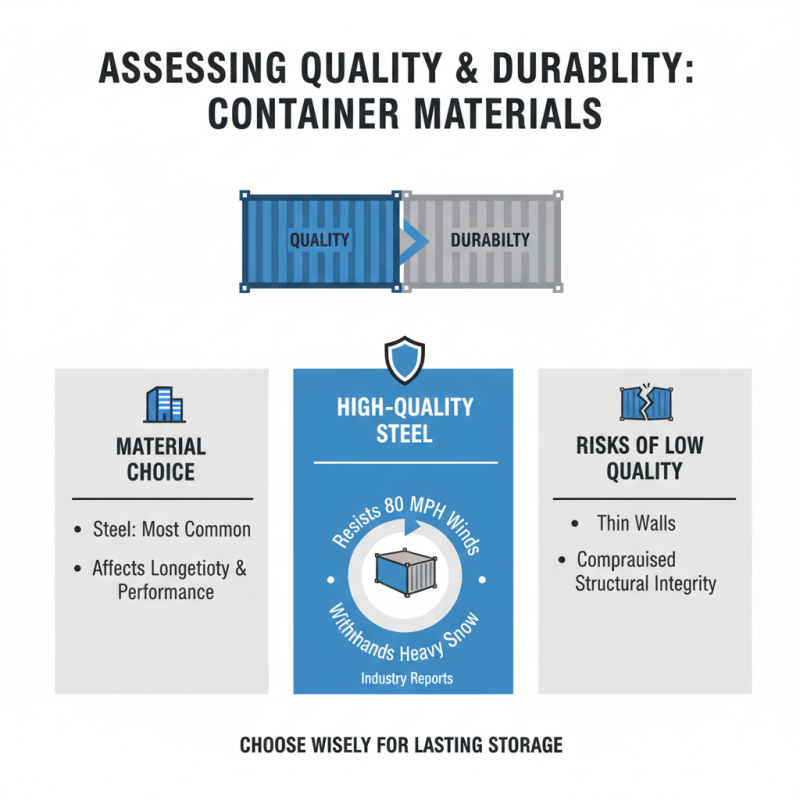
When choosing storage container buildings, assessing quality and durability is crucial. The material construction significantly affects longevity and performance. Steel is the most common choice. According to industry reports, high-quality steel containers can withstand winds of 80 mph and heavy snow loads. However, not all containers are created equal. Some may have thin walls, which can compromise structural integrity over time.
Corrosion resistance is another key factor. Many containers are treated to resist rust, but this can vary. Factors like exposure to saltwater can accelerate deterioration. A recent study found that untreated containers can show signs of rust in under five years, while protected ones can last over 20 years. It's essential to check for these protective coatings when selecting a container.
The interior also matters. A high-quality container will feature a solid floor that resists moisture. Industry statistics indicate that flooring material impacts usability; wood floors degrade faster, while composite materials offer better resistance to termites and rot. These choices can affect how long your container retains its value and functionality. Always evaluate these attributes before purchasing, as they significantly determine the container's lifecycle.
Considering Size and Space for Your Storage Needs
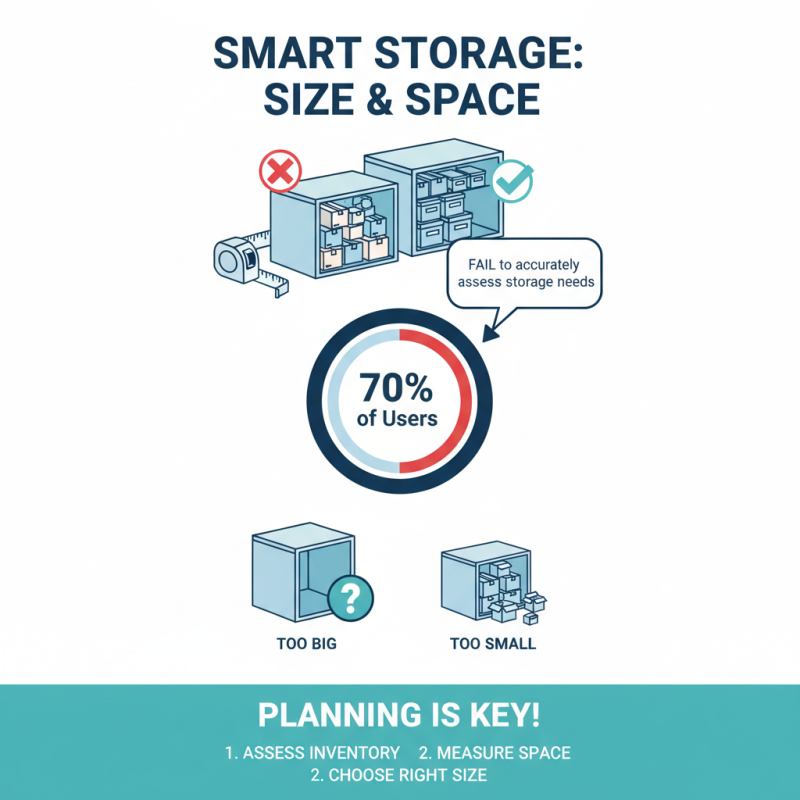
When evaluating storage container buildings, size and space are paramount. Experts indicate that a significant number of users, about 70%, fail to accurately assess their space requirements before purchasing. This often leads them to either buy containers that are too large, consuming unnecessary resources, or too small, resulting in overflow and disorganization. Proper planning can help mitigate these issues.
In considering size, measure the intended area. This should include not only the containers themselves but also the surrounding space for accessibility. According to industry reports, allocating at least 10-15% of extra space improves functionality. Additionally, different storage needs call for different configurations. For instance, some users find that vertical storage solutions maximize their available square footage. Inclusivity of seasonal variability in your storage needs may also require additional space-adjusting factors. Research suggests that 65% of users underutilize their storage capacity due to poor space planning.
Ultimately, understanding your specific storage needs is essential. Many overlook factors like seasonal changes and future growth. Approximately 60% of storage users report regret over their initial space decisions. A reflective approach and thorough evaluation can lead to a more satisfying and effective storage solution. Thoughtful planning ensures your storage container aligns with both current and future needs.
Weighing Cost Factors and Budget Constraints
When selecting storage container buildings, budget constraints play a critical role. According to a 2022 industry report, the average cost of container solutions can range from $1,500 to $5,000 per unit, depending on size and condition. This significant variability makes it essential to carefully assess your financial parameters before diving into the purchasing process.
Understanding hidden costs is vital. Installation, modifications, and transportation can add an additional 20-30% to your overall budget. Investing in high-quality insulation or security features might seem costly upfront but can save money in the long run by enhancing energy efficiency and safety. Furthermore, many buyers underestimate ongoing maintenance costs, which can require another 10-15% of the initial investment annually.
While cheaper options are attractive, they often come with reliability issues. Inexperienced buyers might rush into decisions based solely on price, only to encounter problems later. It is crucial to weigh cost against value and long-term requirements. Focusing on the total cost of ownership rather than just the initial purchase price will lead to more satisfying and practical outcomes.