How to Choose the Best Containers for Container Homes to Maximize Comfort
The rising trend of container homes reflects a significant shift in the housing landscape, particularly as urban populations continue to grow. According to a report by the International Organization for Migration, the global urban population is expected to reach 68% by 2050, thereby intensifying the need for innovative and sustainable housing solutions. Containers for container homes present a versatile option, appealing to eco-conscious buyers and those seeking economical solutions in a fluctuating real estate market. This trend aligns with a 2021 study by IBISWorld, indicating that the manufactured housing industry, which includes container homes, is projected to grow at an annualized rate of 5.4% over the next five years.
However, choosing the right containers for container homes is crucial to maximizing comfort and functionality. Considerations such as insulation, design, and the materials used can significantly impact living conditions and energy efficiency. The U.S. Department of Energy emphasizes that proper insulation can reduce energy costs by up to 30%, making it a vital factor in creating a comfortable living environment within these structures. As more individuals and families explore the potential of container homes, understanding how to select the best containers becomes essential to ensure that these innovative spaces are not only affordable but also conducive to modern living.
Understanding Different Types of Shipping Containers for Homes
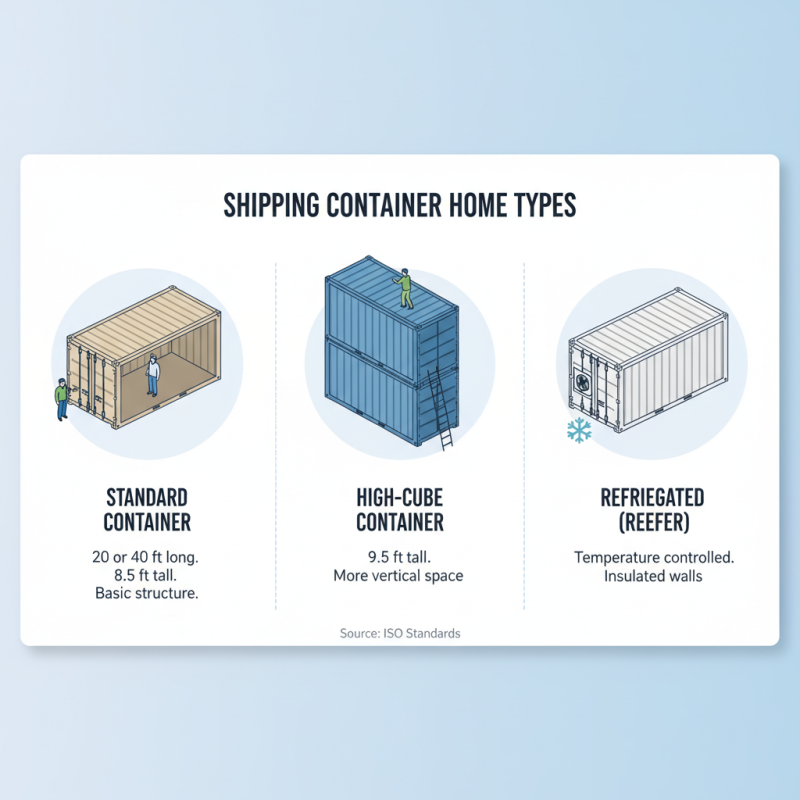
When considering shipping containers for homes, it's crucial to understand the different types available, as each type has unique characteristics that can affect comfort and livability. The most common shipping containers used for home construction are standard containers, high-cube containers, and refrigerated containers. Standard containers are typically 20 or 40 feet long and provide a sturdy structure, suitable for basic residential needs. According to the International Organization for Standardization (ISO), standard containers have a height of 8.5 feet, offering adequate space for most designs.
High-cube containers, on the other hand, offer an additional foot of height (9.5 feet), which can significantly enhance the feeling of openness in a home. This extra height allows for potential loft spaces or higher ceilings, which can contribute to a more comfortable living environment. A report from Container Housing and Sustainability indicates that homes built with high-cube containers often report higher satisfaction levels due to improved ventilation and aesthetic flexibility.
Refrigerated containers, known as "reefers," provide insulation and climate control, making them ideal for regions with extreme weather conditions. These containers can maintain a stable internal temperature, which is vital for comfort in both hot and cold climates. Research from the Container Architecture Institute shows that utilizing refrigerated containers can reduce energy consumption by up to 30% due to their superior insulation properties compared to standard containers. Each type of container offers distinct advantages, and understanding these can help potential homeowners make informed decisions that prioritize comfort in their container homes.
Evaluating Size and Layout Options for Maximum Comfort
When choosing containers for container homes, the size and layout are critical factors that significantly impact comfort. According to a study published by the Container Housing Institute, a well-designed space utilizes an average of 200 square feet per person to ensure adequate living conditions. This statistic indicates that individuals and families should prioritize ample space to allow for comfort and functionality, especially in zones where people spend considerable time, such as the living room and kitchen areas.
Layouts also play an essential role in maximizing comfort within container homes. A report from the National Association of Home Builders emphasizes the importance of an open floor plan, which fosters a sense of spaciousness and enhances natural light flow. By positioning doors and windows thoughtfully, homeowners can create a seamless indoor-outdoor transition that promotes ventilation and reduces the feeling of confinement. Additionally, incorporating multi-functional furniture can optimize available space, allowing for flexibility while maintaining comfort. Thus, a balanced approach that considers both size and layout can transform a simple container into a cozy, inviting home.
How to Choose the Best Containers for Container Homes to Maximize Comfort - Evaluating Size and Layout Options for Maximum Comfort
| Container Size (ft) |
Number of Rooms |
Approx. Living Space (sq ft) |
Ideal Layout |
Comfort Features |
| 20 |
1 |
160 |
Open Floor Plan |
Insulation, Windows |
| 40 |
2 |
320 |
Separate Living & Sleeping Areas |
Heating, Cooling, Bathroom |
| 60 |
3 |
480 |
Multi-room Concept |
Full Kitchen, Deck Space |
| 80 |
4 |
640 |
Family Home |
Advanced Insulation, Garden Area |
Insulation and Ventilation: Key Factors in Container Home Design
Insulation and ventilation are crucial elements in the design of container homes, significantly influencing the overall comfort of the living space. Given that shipping containers are made of metal, they can experience extreme temperature fluctuations. Proper insulation helps to regulate internal temperatures, making the home more energy-efficient and comfortable throughout different seasons. Options such as spray foam, rigid foam board, or even wool insulation can be utilized to create a thermal barrier, minimizing heat loss in winter and heat gain in summer. Choosing the right insulation material will depend on the climate of the location and the desired energy efficiency.
Ventilation plays an equally important role in ensuring a healthy living environment within a container home. Without proper airflow, moisture can accumulate, leading to mold and poor air quality. Incorporating windows, vents, and exhaust fans not only helps regulate indoor temperatures but also facilitates the circulation of fresh air. Designing the home with cross-ventilation strategies can significantly enhance comfort by allowing cool breezes to flow through the living spaces. Additionally, the integration of mechanical ventilation systems can provide consistent airflow, particularly in areas prone to high humidity or where natural ventilation might be inadequate. Together, insulation and ventilation foster a harmonious balance in container home design, creating a comfortable and inviting atmosphere.
Choosing Durable Materials for Interior and Exterior Finishes
When selecting containers for container homes, the choice of durable materials significantly impacts both the interior and exterior finishes. For the exterior, materials that can withstand the elements are crucial. Weather-resistant coatings, rust-resistant metals, and high-quality insulating foam not only enhance the longevity of the structure but also improve energy efficiency. Additionally, the exterior can be enhanced with materials such as reclaimed wood or fiber cement siding, which provide both aesthetic appeal and durability against harsh weather conditions.
On the interior, durability is equally important. Choosing finishes that are easy to maintain and resistant to wear, such as ceramic tiles or vinyl flooring, can ensure that the home's interior remains in excellent condition over time. Furthermore, materials like moisture-resistant drywall and mold-resistant paints can contribute to a healthier living environment, particularly in areas subject to humidity. By carefully selecting these materials, container homeowners can create beautiful, comfortable spaces that resist the test of time while minimizing maintenance efforts.
Container Home Material Durability Comparison
This chart illustrates the durability ratings of various materials used in container homes. Steel ranks the highest, making it an excellent choice for both exterior and interior finishes.
Ensuring Sustainable and Energy-Efficient Features in Container Homes
When selecting containers for container homes, ensuring sustainable and energy-efficient features is paramount. A considerable aspect of sustainability is selecting containers that are sourced responsibly.
Opting for used or repurposed shipping containers not only minimizes waste but also reduces the carbon footprint associated with manufacturing new materials. These containers can be insulated to enhance energy efficiency, thus requiring less heating and cooling throughout the year. Effective insulation materials, such as spray foam or recycled cotton, can significantly improve thermal performance, transforming a steel box into a comfortable home.
Moreover, integrating renewable energy sources, such as solar panels, can greatly enhance the sustainability of container homes. By harnessing solar energy, homeowners can power their appliances while reducing reliance on non-renewable energy sources.
Rainwater harvesting systems can also be incorporated, allowing for more efficient water use and minimizing environmental impact. Pairing these systems with energy-efficient fixtures and appliances ensures that every component of the home contributes to a sustainable living environment, making container homes not only a smart choice aesthetically but also an environmentally responsible one.