How to Choose a Theater Seating Manufacturer in 2026?
Choosing a Theater Seating Manufacturer in 2026 is not just a matter of comparing unit prices. A seating decision affects audience comfort, room capacity, maintenance, and the venue’s appearance for years. The Motion Picture Association’s 2024 THEME Report recorded approximately $30 billion in global theatrical box office. That figure reflects cinema activity, not seating sales, but it shows why operators must protect the experience inside the auditorium.
Look beyond product photos. Ask for documented durability and safety test results, clear warranty terms, replacement-part availability, and references from venues with similar use. For fixed-row seating, check whether the proposed models have been tested against relevant standards, such as EN 12727, and confirm that the supplier can explain the test scope. Details matter: a cup holder that loosens, an aisle-end seat that blocks access, or fabric that wears unevenly can become costly problems.
Small choices count.
Compare the complete project, including measurements, freight, installation, and service response—not only the quoted chair price. Request drawings that show row spacing, sightlines, and accessible seating positions, then review them with your project team. A capable manufacturer should answer specific questions without hiding behind broad claims. Still, one weakness in many buying guides is their focus on specifications over daily use. Visit a completed project if possible, and ask staff what they would change. The right Theater Seating Manufacturer is the one whose evidence, workmanship, and support fit your venue—not simply the one with the longest catalogue.
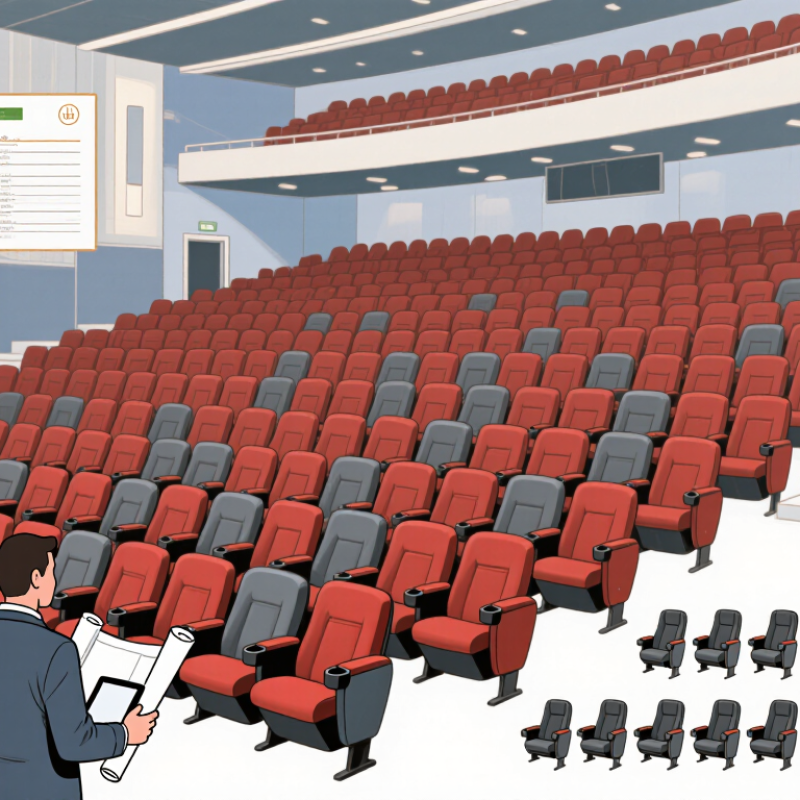
Define Capacity, Seat Width, and ADA’s 36-Inch Accessible-Route Minimum
Choosing a theater seating manufacturer in 2026 starts with the room, not the catalog. Map the usable floor area, stage sightlines, exits, and planned aisles before estimating capacity. Measure the room twice. Seat width affects every row: compare the clear space between armrests, not just the overall frame width. A few extra inches per seat can reduce capacity across a long row.
Keep the accessible route distinct from ordinary seating aisles. Under ADA standards, an accessible route generally needs at least 36 inches of clear width, with specific exceptions and additional requirements that may apply. Measure the unobstructed path after seats, rails, and other fixtures are installed. A drawing can look generous; a protruding armrest may tell a different story. Confirm the layout against applicable standards and local requirements with your design team.
Ask manufacturers for dimensioned plans showing seat width, row spacing, aisle locations, and accessible seating connections. Request a sample chair when possible. Sit in it, check the armrests, and see whether the seat feels comfortable over a full performance. Capacity estimates can be optimistic. Recheck them using real dimensions before approving production, and make sure the final plan preserves the required clear route.
How to Choose a Theater Seating Manufacturer in 2026?
Define capacity, seat width, and ADA’s 36-inch accessible-route minimum.
Illustrative planning comparison: each scenario uses a 20-foot-wide row envelope and reserves 36 inches of clear width for an accessible route. Estimated seats are calculated from the remaining 204 inches divided by the selected seat width, rounded down. The 20-, 22-, and 24-inch seat widths are example inputs, not regulatory standards. Confirm the complete venue layout and applicable accessibility requirements with a qualified design professional.
Assess Row Seating Durability Under EN 12727 Test Requirements
When comparing theater seating manufacturers, ask how each row-seating model was evaluated against EN 12727. The standard covers strength and durability testing for ranked seating, but a report only helps when it matches the exact configuration you plan to buy. Check the model, seat and back materials, fixing method, and test level. Ask whether testing used floor-mounted units or another setup.
Ask for the full test report, not just a pass statement. Confirm the testing laboratory, report date, sample description, and any limitations. A change in frame, hinge, fastener, or upholstery can affect performance. Small details matter. Compare test evidence with the production drawings and the specification in your quotation. If the supplier cannot connect these documents, request clarification before approval.
Durability also depends on installation and upkeep. Look at how the row is anchored, how accessible the fasteners are, and whether worn components can be replaced. Ask what inspection checks are recommended after installation and during routine use. A passed report is useful, not a guarantee against every site condition. I would still want to see a representative sample and review its joints closely; paperwork can miss a detail that becomes obvious in a busy auditorium.
Verify Upholstery Fire Performance Against NFPA 701 Criteria
How to Choose a Theater Seating Manufacturer in 2026?
Ask for evidence that the upholstery fabric was tested against the project’s specified NFPA 701 criteria. NFPA 701 measures flame propagation in textiles and films; it does not certify an entire theater chair. That distinction matters. Request the complete test report, not just a sales sheet. Check which test method was used, what fabric construction was tested, and whether the report identifies the tested material clearly. A fabric’s backing, coating, or flame-retardant treatment can affect its performance.
Then compare the report with the upholstery proposed for your seats. Confirm the fabric type, weight, finish, and treatment match, and ask how routine cleaning may affect performance. If the manufacturer changes a material or supplier, ask how the change is reviewed and documented. Keep the report with your project records. I would not treat one certificate as a finish line. NFPA 701 may not be the only fire-performance requirement for a venue, so check the project specification and consult the responsible fire-safety professional. Small details matter: even a familiar-looking swatch may not represent the fabric actually being supplied.
Compare Sightlines Using the 90–120 mm Theater C-Value Range
When choosing a theater seating manufacturer in 2026, ask for sightline calculations alongside seat samples and dimensions. C-value describes the vertical clearance between a seated viewer’s eye line and the head of the person directly ahead. A 90–120 mm range is a useful comparison, not a universal pass-or-fail rule. Local requirements, audience needs, and room geometry can change the target.
Ask manufacturers to compare proposed layouts using the same assumptions: eye height, row spacing, seat position, floor rake, and stage location. Request section drawings that show the sightline across several rows, not just one ideal seat. A few millimeters can matter when the slope is shallow. Check views from the rear and side sections, too. Small details count.
A computer model can look exact. The built room may not. Installation tolerances, cushion compression, and actual seat locations can shift the result, so ask how the design accounts for them. If a supplier quotes a C-value without explaining the measurement method, request the inputs and a revised comparison. The number alone is not enough.
Evaluate Quotes by Warranty, Lead Time, and Lifecycle Cost
A theater seating quote should make warranty coverage easy to verify. Check the term for frames, moving parts, upholstery, and installation labor separately. Ask what counts as normal wear, and whether replacement parts remain available after the warranty ends. A five-year warranty can look strong, yet exclusions may leave a venue paying for a failed recliner mechanism. Details matter. Request the full terms in writing, not a summary in the proposal.
Lead time affects more than the opening date. Ask when production begins, what approvals are needed, and whether delivery includes unloading and placement. For a 600-seat auditorium, even a small delay can disrupt flooring work or stage access. Compare the quoted schedule with recent projects of similar size, and ask how delays are communicated. Dates move. A supplier’s estimate is not a guarantee, so keep some buffer in the project plan.
Compare lifecycle cost, not just the price per seat. Include freight, installation, cleaning needs, expected fabric replacement, and the cost of keeping common parts in stock. A lower initial quote may require more maintenance visits or earlier reupholstery. Request assumptions behind any projected service life; seat use varies widely between a school hall and a busy performing arts venue. These estimates are imperfect, and I would treat them as planning tools, not promises. Ask for references you can contact about repair response times and parts availability.
How to Choose a Theater Seating Manufacturer in 2026? – Evaluate Quotes by Warranty, Lead Time, and Lifecycle Cost
| Anonymous Quote Profile | Typical Specification | Installed Cost per Seat | 500-Seat Project Cost | Estimated Lead Time | Warranty to Verify | Estimated 20-Year Lifecycle Cost | Quote Review Focus |
| Value-oriented | Fixed upholstered seat; standard fabric and finish; basic row identification | $420 | $210,000 | 8–12 weeks | Illustrative: 5 years on frame; shorter coverage may apply to fabric, foam, and moving parts | $420,000 | Check fabric durability, replacement-part availability, freight, installation, and warranty exclusions. |
| Mid-range | Commercial-use upholstered seat; upgraded fabric options; reinforced high-wear components | $620 | $310,000 | 10–16 weeks | Illustrative: 10 years on frame; confirm separate terms for upholstery and mechanisms | $437,500 | Compare the exact fabric grade, included installation scope, spare-part pricing, and repair response times. |
| Higher-specification | Heavy-use construction; premium upholstery options; enhanced component and finish selection | $820 | $410,000 | 14–22 weeks | Illustrative: up to 15 years on frame; verify coverage by component and remedy limits | $510,000 | Assess whether longer coverage and serviceability justify the higher initial cost for your usage level. |
Planning assumptions: Figures are illustrative comparison scenarios, not verified supplier quotes or market-price guarantees. Project totals assume 500 seats and include the stated installed cost per seat. Estimated 20-year lifecycle costs are per 500-seat project and add assumed routine maintenance plus upholstery refurbishment: value-oriented, $12 per seat annually and two $90-per-seat refurbishments; mid-range, $9 per seat annually and one $75-per-seat refurbishment; higher-specification, $7 per seat annually and one $60-per-seat refurbishment. Estimates exclude financing, taxes, inflation, utilities, venue downtime, and major structural changes. Obtain itemized, current quotes and confirm warranty terms, delivery dates, installation scope, and lifecycle assumptions in writing.


