Why Choose the Right Drill Bit for Your Project Needs?
Choosing the right Drill Bit can be the difference between success and frustration in any project. A well-selected drill bit ensures precision and efficiency. It affects the quality of your work, whether you are drilling into wood, metal, or masonry.
Different materials require different types of drill bits. For instance, a high-speed steel bit works well on soft materials. In contrast, a carbide-tipped bit is ideal for tougher surfaces like concrete. Understanding these distinctions is crucial for achieving the desired results. Many people overlook this aspect, leading to disappointing outcomes.
Not all drill bits are created equal. It’s essential to invest time in research. Make sure you select a bit that matches your specific project needs. This choice reflects professionalism and attention to detail. Take a moment to reflect on your last project. Did you choose the right drill bit? Recognizing past mistakes can improve future selections.
Understanding Different Types of Drill Bits and Their Applications
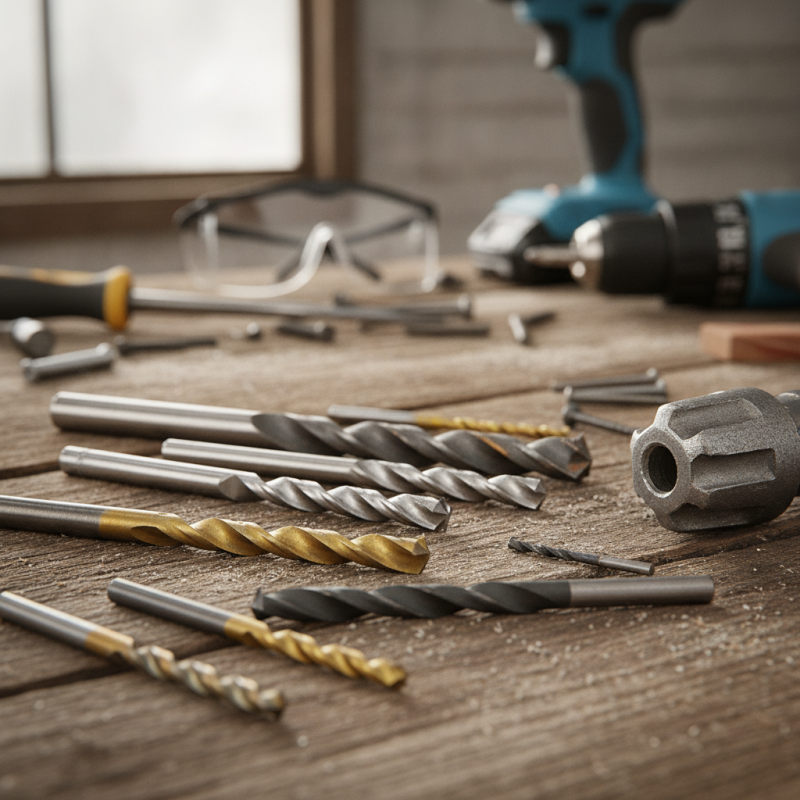
Selecting the right drill bit is crucial for any project. With various types available, understanding their specific applications can save time and enhance results. Twist drill bits are versatile, perfect for wood and metal. They create clean holes but may struggle with harder materials.
For masonry, a masonry bit is essential. It features a carbide tip that can handle tough surfaces like concrete and brick. These bits often require a hammer drill to be effective. For specialized work, consider flat bits for wide holes in wood or spade bits for quick drilling.
Each type of bit has strengths and weaknesses. Misusing a bit can lead to frustration and poor outcomes. A dull bit can damage your project, wasting precious materials. It’s vital to assess your needs carefully and choose accordingly. Each project benefits from the right tools and knowledge.
Key Factors to Consider When Selecting a Drill Bit for Your Project
Selecting the right drill bit for your project is crucial. Various types are designed for specific materials. For example, carbide drill bits work well with harder surfaces like metal. According to industry reports, choosing the wrong bit can lead to reduced efficiency and increased costs. Over 30% of contractors reported that using the appropriate drill bits increased their productivity significantly.
When selecting a drill bit, consider the material you'll be working with. Wood requires different bits than concrete or metal. Using a standard bit on a tough material can not only lead to damage but also compromise safety. Inaccurate drill bits can cause eye injuries or equipment malfunctions. Furthermore, the right shank size is vital for a secure fit in the drill. A loose fit can lead to poor drilling accuracy and potential injury.
Another factor is the bit size. Larger bits may create larger holes but can overheat quickly. A study revealed that more than 40% of drill-related accidents stem from overheating tools. This suggests the importance of understanding your project needs to avoid potential hazards. Overlooking these details can result in frustrating setbacks and costly repairs later on. Always consider these aspects carefully when choosing a drill bit for your next project.
The Impact of Material Composition on Drill Bit Performance and Durability
Choosing the right drill bit can drastically affect your project outcomes. The material composition of the drill bit plays a crucial role in its performance and durability. For instance, carbide bits are generally more robust and can handle tougher materials. Steel bits, while versatile, may dull more quickly on hard surfaces. Understanding these differences can guide your decisions.
When selecting a drill bit, consider the intended material. If you’re drilling into metal, a high-speed steel bit could suffice. However, harder materials like ceramic and masonry demand more durable options, such as diamond-tipped bits. This understanding can lead to better project results and minimize frustration during use.
Tip: Always check the bit type against the material. Using the right combination saves time and effort.
Reflecting on your past experiences can also illuminate your path. Perhaps you chose a steel bit for a masonry project and faced issues. Next time, take notes on what worked and what didn’t. This reflective practice can enhance your future choices and boost your confidence with each project.
Tip: Keep a log of materials and bits used. It helps in avoiding past mistakes and improves decision-making for new tasks.
Industry Statistics on Drill Bit Failure Rates and Proper Usage
When it comes to drill bits, industry statistics reveal a concerning reality. Studies indicate that nearly 30% of drill bit failures result from improper usage. Misalignment and incorrect bit selection contribute significantly to these failures. Users often overlook these factors, leading to costly delays and frustrations in their projects. Such statistics emphasize the importance of choosing the right drill bit for the specific application.
Tips: Always match the drill bit material to the project requirements. For example, carbide bits work well for hard materials. Moreover, regular maintenance of drill bits can extend their lifespan. Some reports suggest that well-maintained bits can last up to 50% longer. Users should also reconsider their techniques. A simple adjustment in pressure can enhance drill performance significantly.
In a study conducted by a leading industry organization, 40% of respondents admitted to using worn-out bits. This practice often results in reduced efficiency and increases safety risks. Addressing these issues begins with education. Understanding the specifications of different drill bits can make a difference. Armed with this knowledge, users can avoid common pitfalls and improve their overall project success rates.
Drill Bit Failure Rates and Proper Usage
| Bit Type | Common Use | Failure Rate (%) | Recommended Speed (RPM) |
| Twist Drill | Metalworking | 15% | 600-3000 |
| Masonry Bit | Concrete and Brick | 20% | 300-1200 |
| Step Drill | Sheet Metal | 25% | 600-1800 |
| Spade Bit | Woodworking | 10% | 300-1500 |
| Forstner Bit | Woodworking | 12% | 400-1200 |
Best Practices for Maintenance and Care of Drill Bits to Ensure Longevity
Maintaining drill bits properly is essential for maximizing their lifespan and ensuring optimal performance. According to industry research, well-maintained drill bits can last up to 50% longer than neglected ones. A simple practice is to clean the bits after each use. Debris can cause premature wear and dullness. Use a brush and solvent to remove any residue.
Storing drill bits correctly is equally important. A dry, cool environment prevents corrosion, which can significantly reduce effectiveness. Organizing them in a designated storage case prevents accidental damage. Studies show that minimizing exposure to moisture can double the lifespan of metal drill bits. Also, regularly inspecting them for wear can highlight issues early. Small nicks can evolve into bigger problems if left unattended.
This approach may seem straightforward, but many overlook it. Lack of attention often leads to underperformance on the job site. Being conscientious about maintenance can elevate project outcomes. With the right care, even less expensive drill bits can perform at their peak for much longer. Optimal use hinges on understanding these maintenance nuances.


