Why Choose Container Camps for Temporary Housing Solutions?
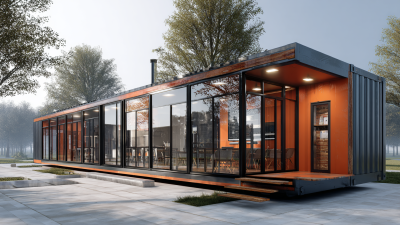
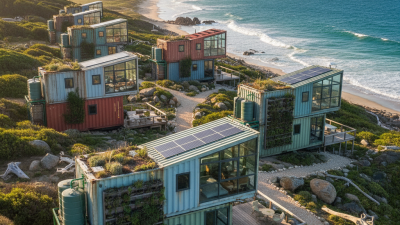
In today's world, the need for immediate and effective housing solutions is more pressing than ever. Container camps have emerged as a versatile option for addressing temporary housing challenges. These camps utilize repurposed shipping containers, providing a sturdy and mobile form of shelter. They are especially useful in disaster relief situations and for accommodating displaced populations.
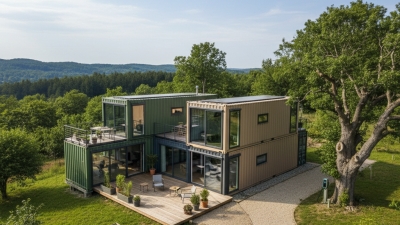
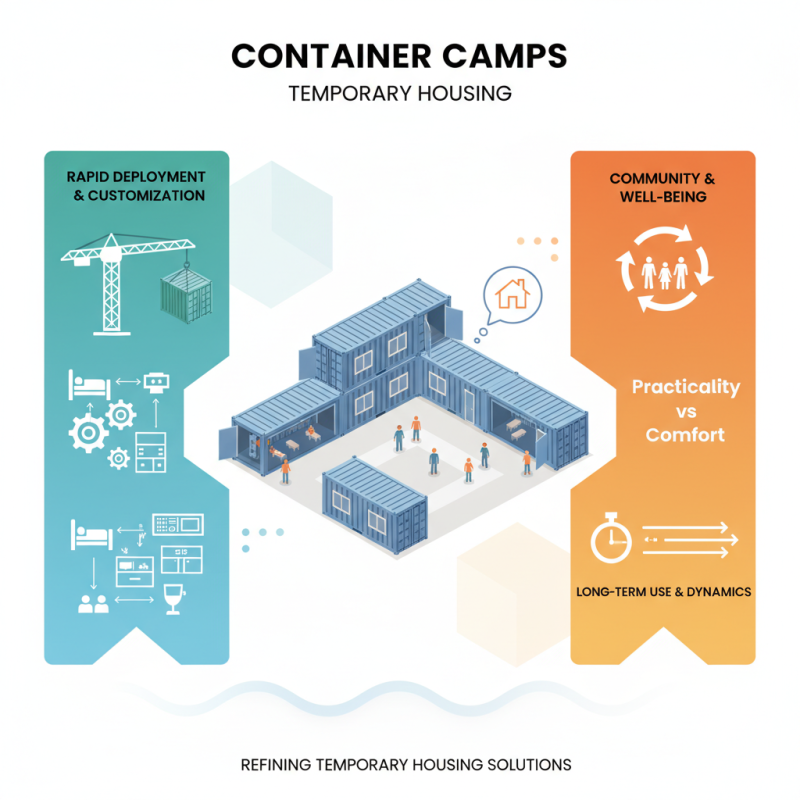
The unique design of container camps allows for rapid deployment and easy customization. Each unit can be equipped with essential amenities. They can be stacked or arranged efficiently, maximizing space. However, some may view them as less comforting than traditional housing. This concept sparks debate about the balance between practicality and human comfort in temporary housing.
Container camps offer more than just shelter; they foster community. Shared spaces in these camps can promote social interaction. Yet, the transient nature might leave residents feeling unanchored. It is crucial to assess how long-term use affects community dynamics and personal well-being. By exploring these nuances, we can refine our approach to temporary housing solutions.
Advantages of Container Camps for Temporary Housing
Container camps have emerged as a practical choice for temporary housing solutions. These camps offer several advantages that make them stand out in various situations.
Firstly, construction is quick. Unlike traditional buildings, container homes can be ready in a matter of weeks. This speed is crucial in emergencies, such as natural disasters.
Moreover, container camps are often cost-effective. They utilize pre-existing materials, reducing both labor and design expenses. This approach can stretch limited budgets further. However, choosing the right location is vital for maximizing these benefits. A poorly chosen site can lead to logistical challenges.
Tip: Ensure that you assess local regulations before setting up a container camp. Compliance can save time and resources in the long run.
Another advantage of container homes is their mobility. These structures can be relocated easily. This is especially beneficial for organizations with changing needs. Flexibility is essential in disaster response and worker accommodation.
While container camps have many strengths, they may not always provide the same comfort as traditional homes. Depending on design and insulation, temperatures inside can vary.
Tip: Consider adding proper ventilation and lighting to improve living conditions. Small adjustments can make containers much more livable.
Cost-Effectiveness of Container Camps in Housing Solutions
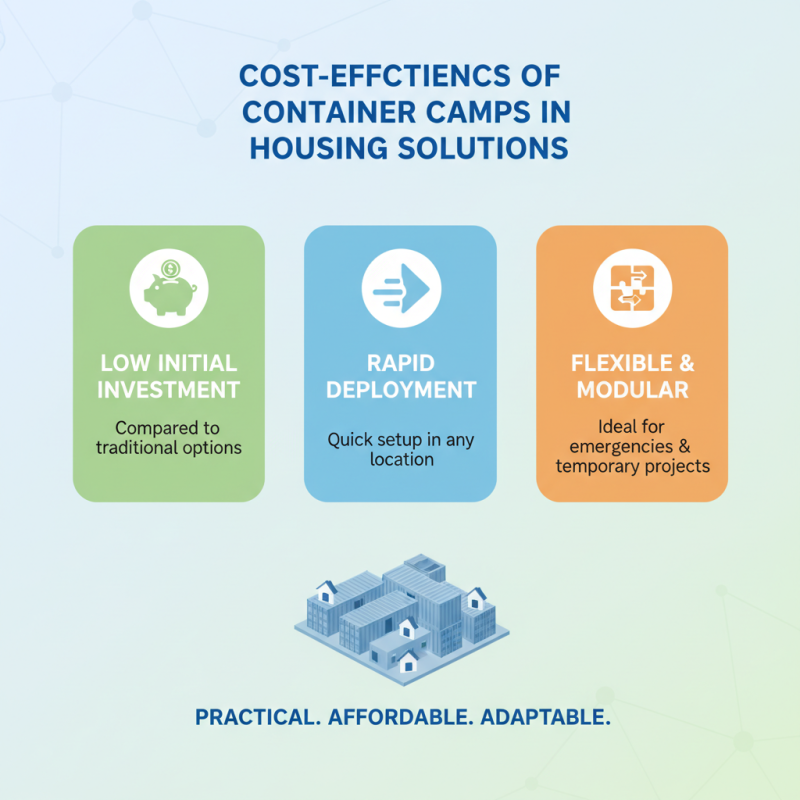
Container camps have emerged as a practical solution for temporary housing. These structures offer significant cost advantages compared to traditional options. The initial investment for container units is relatively low. They can be quickly deployed to any location. This flexibility is crucial in emergencies or temporary projects.
Consider the operational expenses. Container camps require lesser maintenance and energy consumption than standard buildings. Their modular nature allows quick setup and takedown. Moreover, they are durable and designed for various weather conditions. This resilience translates to long-term savings, especially in fluctuating markets. However, some may find them less comfortable than traditional homes, which is a factor to consider.
Environmentally, container camps present opportunities for sustainable practices. Many units are repurposed from shipping containers, reducing waste. This eco-friendly aspect is appealing to organizations aiming for greener solutions. Despite these benefits, it’s essential to address potential overcrowding and privacy issues. Reflecting on these aspects can help improve the overall design and functionality of container camps. This balance ensures they provide effective housing solutions while also meeting human needs.
Flexibility and Mobility: Key Features of Container Camps
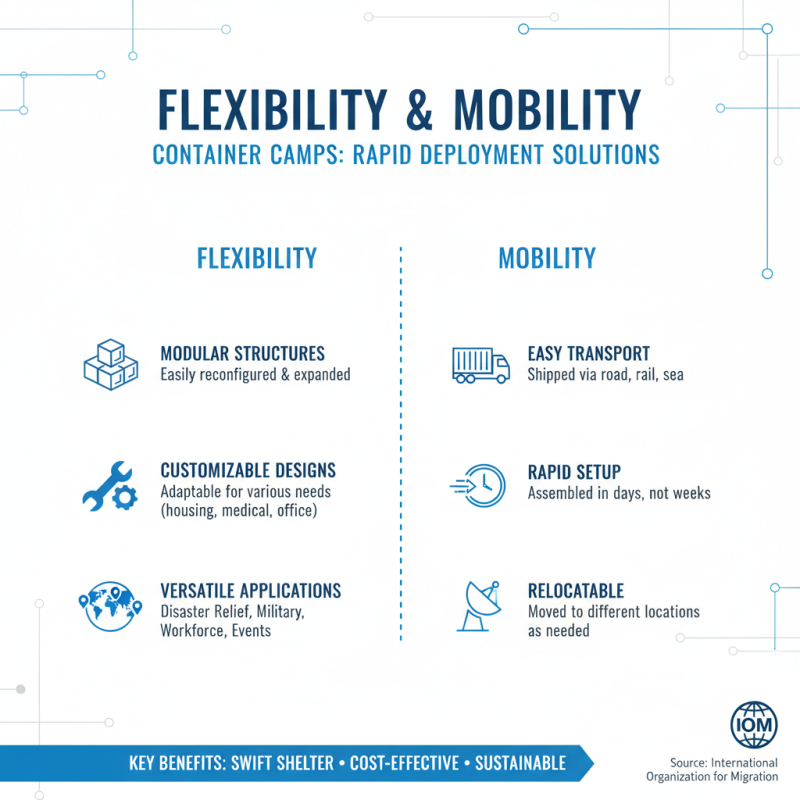
Container camps have become a popular choice for temporary housing solutions due to their inherent flexibility and mobility. These modular structures are easy to transport and set up, making them ideal for disaster relief, military operations, or population displacement scenarios. According to the International Organization for Migration (IOM), such camps can be established in days rather than weeks, significantly speeding up the provision of shelter when it's most needed.
The design of container camps allows for quick customization. They can be easily extended or reconfigured based on the number of residents or specific site conditions. This adaptability ensures that different community needs are met, whether it’s during a natural disaster or a large-scale migration. Importantly, a report from the United Nations High Commissioner for Refugees (UNHCR) noted that flexible housing solutions can reduce costs by 30% compared to traditional building methods.
**Tip:** Always assess the local environment before setting up a container camp. This includes understanding weather conditions and infrastructure availability.
However, challenges remain in utilizing container camps effectively. Issues such as insulation and sanitation still require attention. Furthermore, there's a need for thorough planning to ensure the camps promote community rather than isolation. It’s essential to engage with potential residents during the planning phase to understand their needs fully.
**Tip:** Prioritize community spaces within container camps to foster social interaction.
Environmental Sustainability Aspects of Container Housing
Container housing is gaining traction due to its environmental sustainability features. These units often use recycled materials, cutting down waste and resource consumption. A report from the Urban Land Institute indicates that container homes can save up to 75% in materials compared to traditional construction methods. This statistic underscores the reduced environmental footprint of container housing.
However, the sustainability aspect goes beyond materials. Container homes are designed for energy efficiency, promoting lower energy consumption. Many designs incorporate natural ventilation, minimizing the reliance on artificial heating and cooling systems. According to the International Energy Agency, energy-efficient homes can reduce energy usage by 30% to 50%. This statistic further highlights the potential benefits of adopting container housing solutions.
Tip: When considering container housing, look for designs that maximize natural light and airflow. This can enhance comfort while reducing energy costs. It’s essential to reflect on the impact of your living choices on the environment, as container homes present both opportunities and challenges in achieving sustainability. While convenient, they also require careful planning to ensure they meet sustainable living standards.
Why Choose Container Camps for Temporary Housing Solutions? - Environmental Sustainability Aspects of Container Housing
| Aspect |
Description |
Environmental Benefits |
| Recyclability |
Containers can be repurposed and recycled at the end of their lifespan. |
Reduces landfill waste and promotes circular economy. |
| Energy Efficiency |
Insulated container homes can maintain temperature better than traditional homes. |
Lowers energy consumption, reducing carbon footprint. |
| Sustainable Materials |
Use of eco-friendly materials for modifications and finishes. |
Less environmental impact, promoting sustainable sourcing. |
| Space Efficiency |
Efficient use of space allows for high-density living arrangements. |
Conserves land and minimizes urban sprawl. |
| Reduced Construction Time |
Quick setup and installation process compared to traditional building projects. |
Less resource-intensive and lowers environmental disruption. |
Rapid Deployment and Construction of Container Camps
Temporary housing has become crucial in various situations. Container camps offer a rapid deployment solution that meets urgent needs. They can be set up quickly, often within weeks. This speed is essential during natural disasters or emergencies, where time is of the essence.
Construction of container camps minimizes delays. Each unit is pre-fabricated and ready for use. Installation requires only basic logistics, which means fewer workers and resources are needed on-site. This efficiency can significantly lower costs. However, the quality of living space can sometimes be overlooked in the rush to deploy.
Some critiques focus on the long-term habitability of these units. While they provide immediate shelter, their durability can raise concerns. Over time, issues like insulation and ventilation may require attention. As we look at container camps, it’s essential to balance speed with quality, ensuring they provide a safe and comfortable environment for all.