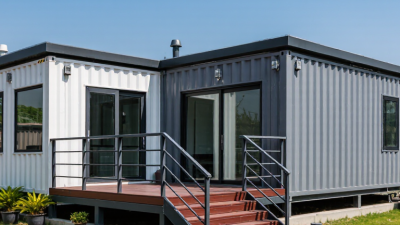
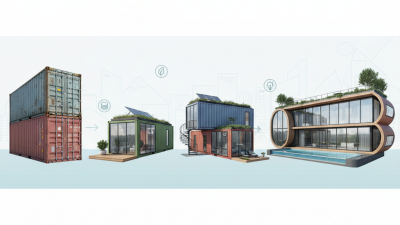
China Top Containers for Living Space Manufacturers
China has become a significant source of modular housing and containers for living space. Manufacturers now offer compact studios, family units, offices, and emergency accommodation. Their designs often combine steel frames, insulated panels, electrical systems, plumbing, and factory-finished interiors.
This article examines leading Chinese manufacturers through practical criteria. These include production experience, engineering capability, material traceability, quality control, customization, and after-sales support. Factory visits, project records, and third-party inspections can reveal more than polished brochures. Look for clear welding standards, reliable insulation data, tested fire-resistant materials, and documented load-bearing performance. Small details matter. Door seals, floor joints, and drainage outlets affect daily comfort.
The strongest suppliers usually explain their process clearly. They share drawings, installation instructions, certificates, and realistic delivery schedules. They also confirm whether their products meet the destination country’s building, electrical, energy, and safety requirements. Compliance cannot be assumed.
Some manufacturers may appear impressive online but provide limited evidence. That deserves careful reflection. A low price may hide thinner panels, weaker finishes, or complicated site installation. Even experienced buyers can overlook transportation limits and foundation conditions. This guide therefore focuses on dependable information rather than impressive claims. It compares China’s top manufacturers and helps readers assess value, performance, and long-term suitability before choosing containers for living space.
Types of Containers Designed for Living Spaces in China
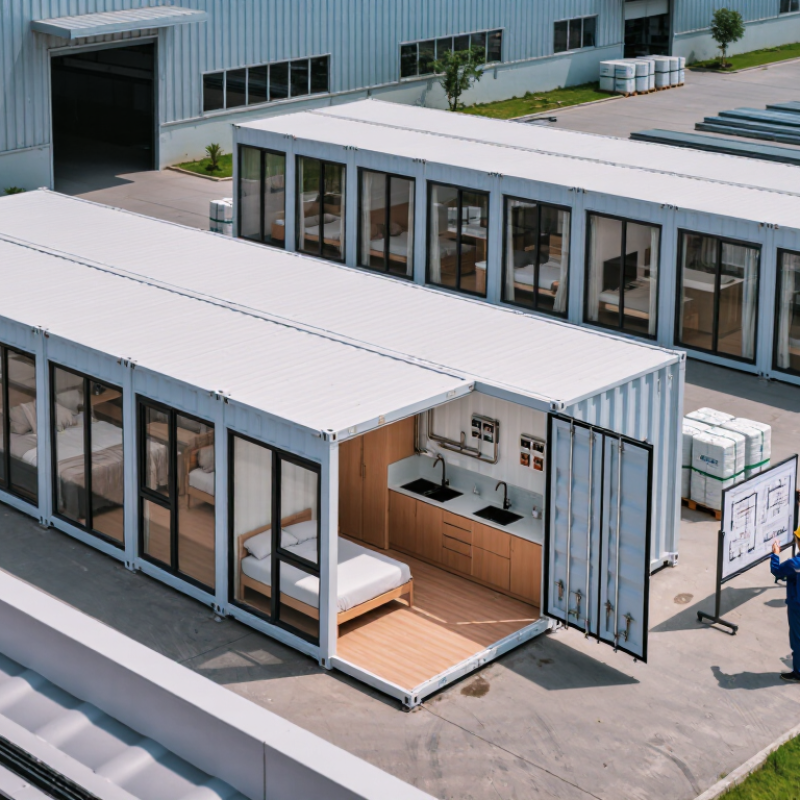
China’s container manufacturers produce several housing types for different living needs. Flat-pack containers arrive as panels, frames, and floor sections. Workers assemble them quickly on prepared foundations. They suit worker housing, site offices, student accommodation, and temporary guest rooms. Foldable containers use hinged walls and roofs. They reduce transport volume, but repeated folding demands careful inspection of hinges and seals.
Expandable containers provide more interior space after installation. Side sections slide or open outward, creating room for bedrooms, kitchens, or small lounges. Their joints need strong weatherproofing, especially in coastal regions with heavy rain and salt air. Modular containers connect several units into larger homes. Designers can add corridors, bathrooms, storage rooms, and shaded entrances. This approach supports gradual expansion, although uneven ground can cause alignment problems.
Some Chinese factories also convert steel shipping containers into living units. These units have a solid structure, but cutting openings may affect strength. Professional engineers should review every modification. Practical details matter: mineral wool insulation reduces heat transfer, while cross-ventilation limits indoor humidity. Double-glazed windows improve comfort in northern winters. In hot southern climates, roof insulation and external shading are more important. A factory inspection should include weld quality, floor loading, drainage, electrical protection, and fire-resistant materials. No container type is perfect. Buyers should compare climate, transport access, foundation conditions, local building rules, and future maintenance before choosing a design.
Materials, Construction Methods, and Quality Standards
China Top Containers for Living Space Manufacturers
Reliable living-space containers begin with material choices, not attractive finishes. Weathering steel provides a durable shell, but untreated cut edges can rust quickly. Manufacturers should seal welds and protect exposed steel with compatible primers. Rock wool or polyurethane panels improve thermal performance. However, insulation alone cannot prevent condensation. Ventilated cavities and careful vapor control are also necessary.
Construction quality depends on disciplined conversion methods. Workers should inspect corner posts, roof rails, and floor frames before cutting openings. Reinforced door and window frames help preserve structural stability. Factory welding should include measured joints, clean surfaces, and documented inspections. Electrical systems need tested cables, grounded outlets, and protected distribution boards. Plumbing should receive pressure testing before wall panels close. Quality checks should reference local building codes, fire requirements, and relevant ISO container dimensions where applicable. A modified container may no longer meet transport specifications, so this distinction needs clear documentation.
Tips: Ask for steel thickness, insulation density, coating details, and welding records. Request moisture readings after installation. Inspect floor levels near bathrooms. Small defects matter. A good supplier welcomes independent inspection, although even careful production can miss a hidden thermal bridge or poorly sealed joint. Allow time for corrective work, instead of trusting photographs alone.
China Top Containers for Living Space Manufacturers - Materials, Construction Methods, and Quality Standards
Representative thermal conductivity values for insulation materials commonly used in container-based living spaces. Lower values indicate better insulation performance under comparable laboratory conditions.
Living-space containers commonly combine weathering-steel shells with reinforced framing, corrosion protection, vapor control, insulation, and interior lining systems. Typical benchmark insulation values are approximately 0.022 W/m·K for PIR, 0.029 for XPS, 0.035 for mineral wool, 0.036 for EPS, and 0.040 for cellulose; actual results vary with density, moisture, temperature, and installation quality.
Quality evaluation should consider dimensional and structural requirements under ISO 668 and ISO 1496-1, transport safety under the International Convention for Safe Containers (CSC), weld and coating inspection, water tightness, thermal bridging, fire performance, and documented factory quality control.
Customization Options for Residential Container Projects
China’s top container-for-living-space manufacturers are moving beyond simple steel boxes. Residential container projects now require careful customization, not just quick assembly. UN-Habitat estimates that 1.6 billion people lack adequate housing worldwide. This pressure increases demand for compact, adaptable homes.
Customization begins with the module. A 20-foot container offers roughly 14 square meters inside, while a 40-foot unit provides about 28 square meters. Designers can combine modules for bedrooms, kitchens, bathrooms, or small offices. Factory-cut openings support larger windows, sliding doors, and accessible entrances.
Insulation choices also matter. Mineral wool, polyurethane panels, and ventilated façades can improve indoor comfort across different climates. The wrong combination can create condensation. That mistake is costly.
Professional planning should follow local building codes, structural calculations, and fire-safety requirements. McKinsey’s modular construction research reported potential cost savings of up to 20% and faster delivery of up to 50%. These figures are possible, not guaranteed. Transport distance, foundation work, and utility connections can reduce the benefit.
A reliable manufacturer should provide material specifications, welding records, electrical testing, and clear installation drawings. Energy performance deserves attention too. The International Energy Agency reports that buildings account for about 30% of global energy demand. Better glazing, shading, heat pumps, and airtight construction can lower operating costs.
Still, customization should remain practical. More glass looks attractive, but it may increase heat gain and maintenance. Good projects balance appearance, durability, budget, and future repair access.
How to Evaluate and Select a Chinese Manufacturer
Choosing a Chinese manufacturer for living space containers requires more than comparing online prices. Define the use first: housing, offices, classrooms, or temporary accommodation. Request drawings, steel grades, insulation details, electrical layouts, and loading limits. A reliable supplier should explain these points clearly, not hide behind attractive photos. Ask how moisture, heat, fire safety, and ventilation are controlled.
Review the factory’s production process through video calls or an independent inspection. Check welding quality, coating thickness, door seals, floor strength, and plumbing connections. Request a finished sample or detailed inspection report before placing a large order. Verify compliance with your destination’s building, electrical, fire, and transport requirements. Certificates matter, but traceable test records matter more. A document without a matching product proves little.
Tips:
Compare at least three manufacturers. Use one detailed specification sheet. Ask for photos of hidden areas before closing walls. Confirm delivery dates, packaging, spare parts, warranty terms, and payment milestones in writing. Keep communication records. Small details prevent expensive arguments. Factory visits can help, but they are not perfect; production may change after departure. Plan independent quality checks before shipment and after arrival. I would also allow extra time for design changes, because even careful suppliers can misunderstand measurements or local installation needs.