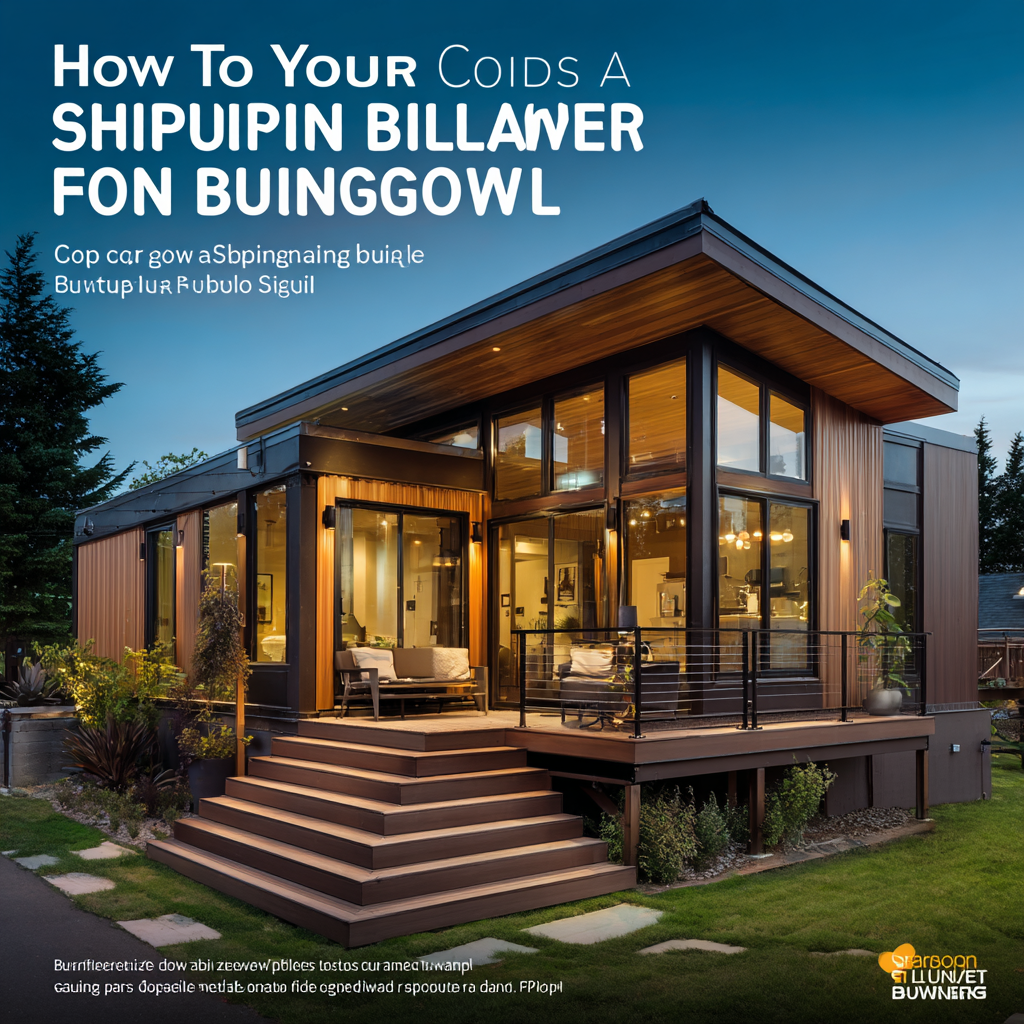
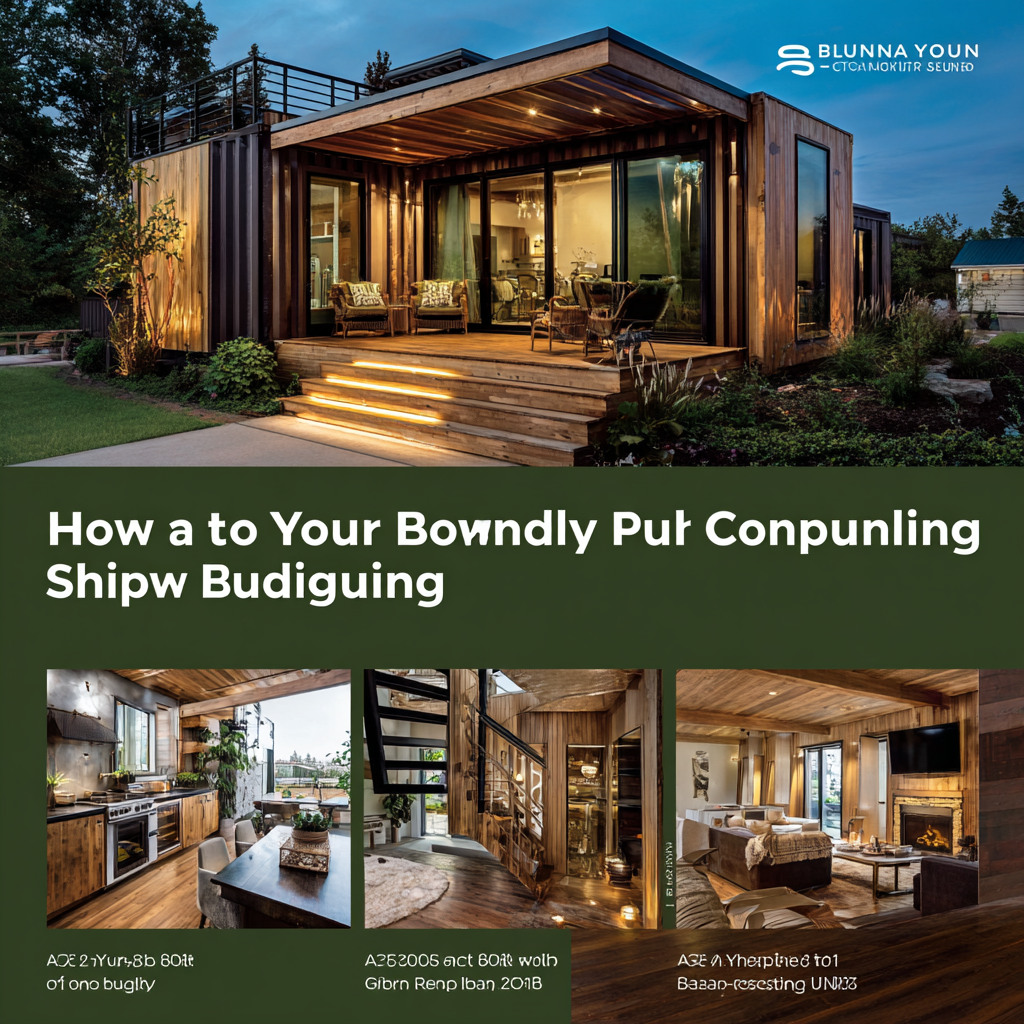
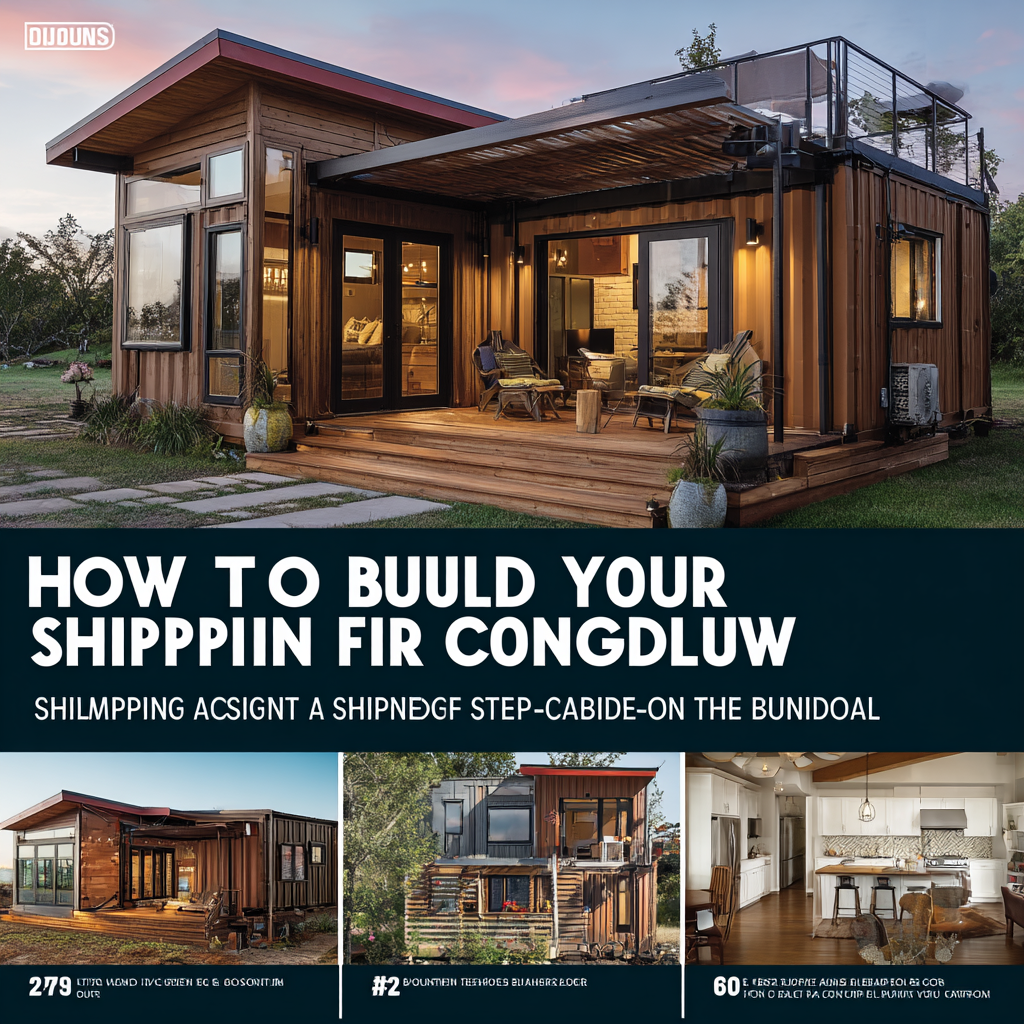
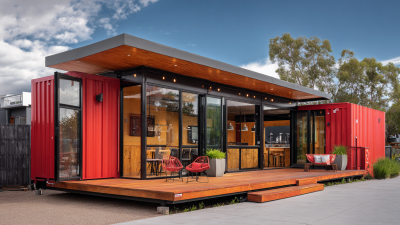
How to Build Your Own Shipping Container Bungalow: A Step-by-Step Guide
In recent years, the concept of a "shipping container bungalow" has gained significant traction in the housing market, driven by the rising need for affordable, sustainable, and innovative living solutions. According to a report by MarketsandMarkets, the global green building materials market is projected to reach $425 billion by 2027, highlighting a growing trend toward eco-friendly construction methods, including the use of shipping containers as viable housing options.
Expert architect Emily Roberts, known for her pioneering work in sustainable architecture, states, “Shipping container bungalows not only provide a cost-effective housing solution but also contribute to a reduced carbon footprint, championing a new era of eco-conscious living.” The flexibility and modularity of these structures make them appealing for homeowners looking to maximize space and minimize environmental impact.
As we delve into the step-by-step guide to building your own shipping container bungalow, we will explore practical design tips, construction techniques, and key considerations that will empower you to embark on this innovative home-building journey.
Choosing the Right Shipping Container for Your Bungalow Project
When embarking on the exciting journey of building your own shipping container bungalow, selecting the right shipping container is crucial for both functionality and aesthetic appeal. According to a report from the Container Home Institute, the demand for shipping container homes is expected to increase by 20% yearly, highlighting their growing popularity as a sustainable housing option. Factors such as size, condition, and price must be carefully considered to ensure your project meets your needs and budget.
Tip: Always assess the condition of the shipping containers you’re considering. Look for any signs of rust or structural damage, as these can significantly impact your bungalow’s durability. A one-trip container, which has only been used once, is often the best choice for those seeking a pristine structure.
Choose a size that corresponds with your design vision. Standard dimensions include 20-foot and 40-foot containers, but customization allows for various configurations. The Council of Container Housing suggests that combining multiple containers can enhance living space while allowing for creative architectural designs.
Tip: Think about future flexibility—choosing a modular design can allow for easy expansion or modification of your bungalow later on. This forward-thinking approach can save you time and money in the long run, ensuring your container home remains adaptable to your lifestyle.
Essential Tools and Materials Needed for Building Your Container Home
Building your own shipping container bungalow is an exciting project that combines creativity with practicality. One of the most crucial aspects of this process is having the right tools and materials at your disposal. According to a report by Allied Market Research, the global market for container homes is expected to reach $73 million by 2027, showcasing the growing trend of affordable and sustainable housing solutions. To embark on this journey, essential materials include one or more shipping containers, insulation, siding materials, and a reliable foundation. Tools will range from basic hand tools like hammers and screwdrivers to more advanced equipment such as a plasma cutter and welding machine, which enable you to modify the container as needed.
Tip: Always check local building codes and zoning laws to ensure your container home complies with regulations. This diligence will save you time and resources in the long run.
Additionally, safety gear is crucial when working with heavy materials and power tools. Don't forget to invest in gloves, safety glasses, and a hard hat. According to the U.S. Bureau of Labor Statistics, construction-related injuries are common; proper safety measures can mitigate these risks and ensure a smooth building process. By preparing adequately, you will enhance not only the efficiency of your project but also the safety of yourself and your crew.
Step-by-Step Process for Designing Your Container Bungalow Layout
When designing your container bungalow layout, start by determining the purpose of each space. Think about how you plan to use the bungalow—whether as a vacation home, a permanent residence, or a rental property. This clarity will guide your design process. For instance, if you are focusing on a cozy family retreat, ensure you have an open-plan living area that flows into the kitchen, creating a welcoming space for gatherings.
Tips: Consider using multi-functional furniture to maximize space in your container bungalow. Items like a sofa bed or an extendable dining table can help you make the most of your limited square footage without sacrificing comfort. Additionally, incorporating large windows and skylights will enhance natural light, making the small space feel more spacious and airy.
Next, think about the layout's flow. Your design should facilitate ease of movement between rooms and functional zones. Pay attention to the placement of doors and windows, as they can significantly impact ventilation and light within the space. Before finalizing your layout, create a scaled drawing or a 3D model to visualize the arrangement and ensure it meets your needs.
Tips: Utilize vertical space by installing shelves or cabinets that reach the ceiling. This approach not only provides additional storage but also draws the eye upward, creating an illusion of height.
Insulation and Ventilation Techniques for Optimal Comfort in Your Bungalow
When constructing your own shipping container bungalow, ensuring proper insulation and ventilation is crucial for achieving optimal comfort. Insulation acts as a barrier against heat loss, particularly in roofs and loft spaces, where a significant amount of energy can escape. By adding extra layers of insulation material, you can minimize this heat loss, keeping your living space warm during colder months. This not only enhances comfort but also reduces the need for constant heating, allowing for energy-efficient living.
In addition to insulation, effective ventilation is vital for maintaining a healthy indoor environment. Proper airflow prevents moisture buildup, which can lead to mould and deterioration of the container structure. Incorporating strategically placed vents or windows will help facilitate air exchange, ensuring that fresh air circulates throughout your bungalow. Balancing insulation and ventilation is key; while you want to keep the warmth inside, you also need to allow for adequate air movement to create a comfortable and sustainable living space in your shipping container home.
Building Your Own Shipping Container Bungalow: Insulation and Ventilation Techniques
Finishing Touches: Interior Design Tips for a Cozy Container Home
When designing the interior of your shipping container bungalow, creating a cozy atmosphere should be your top priority.
Begin by choosing a theme that resonates with you—be it rustic, bohemian, or minimalist.
A cohesive theme not only enhances the aesthetic appeal of the space but also helps in selecting complementary colors and furnishings.
Incorporate textures through soft textiles such as cushions, rugs, and throws, which can add warmth and comfort to the metal structure of a container.
Integrating greenery is another effective way to enliven your bungalow.
Houseplants can purify the air while adding a vibrant touch to your interior.
Consider a mix of potted plants and hanging varieties to create visual interest.
Lighting plays a crucial role as well—opt for warm-toned bulbs and a combination of overhead fixtures and lamps to foster an inviting atmosphere.
Lastly, don’t shy away from personal touches; displaying handmade decor and cherished items can transform your space into a welcoming haven that truly feels like home.