Containers in Motion

10 Best Shipping Tarps for Cargo Protection in 2026

A reliable Shipping Tarp does more than cover a load. It helps shield cargo from rain, road spray, dust, and sun during storage or transport. The right choice depends on what you carry, how far it travels, and how it will be secured. A compact tarp may suit bundled materials, while bulky equipment often needs wider coverage and reinforced corners. Details matter.

Our 2026 guide compares ten shipping tarps by practical features, including material, thickness, seam construction, grommet placement, size options, and stated weather resistance. These specifications can help narrow the choices, but they do not tell the whole story. A heavy tarp may resist wear yet feel awkward to handle. A lighter one may be easier to fold, but less suitable for repeated exposure or rough contact. There is no perfect fit for every load.

Before choosing, measure the cargo and allow enough coverage to secure the edges without leaving loose fabric flapping in the wind. Check the product details carefully, and use tie-down points that match the tarp’s design. Small oversights can matter. This roundup is intended to help readers compare options with clearer expectations, not promise that one tarp will protect every load in every condition. Consider your route, handling needs, and likely weather before making a final decision.
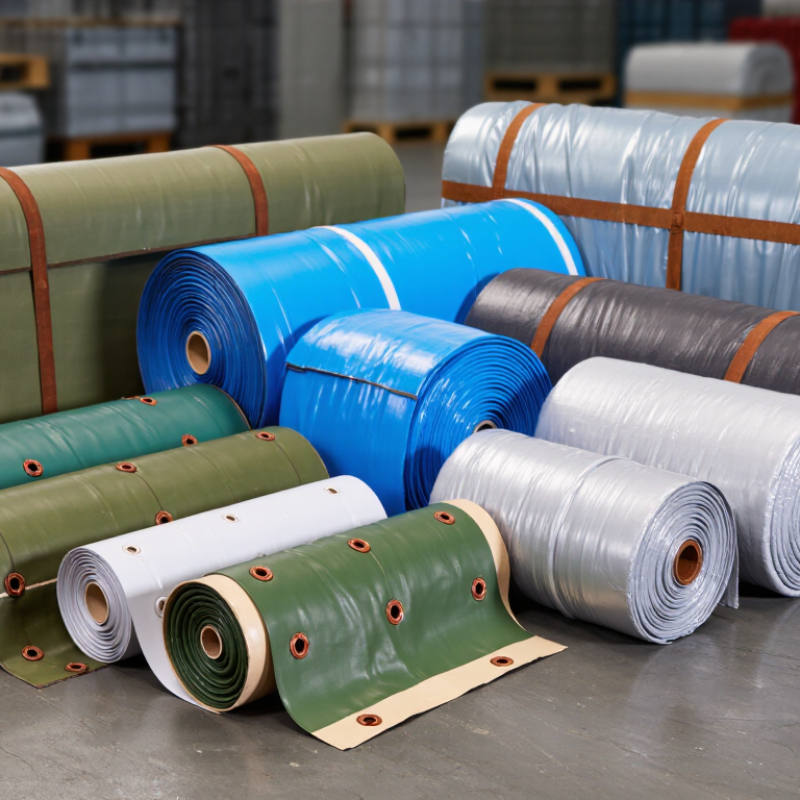
10 Best Shipping Tarps for Cargo Protection in 2026

Shipping Tarps Explained: Materials, Coatings, GSM, and Denier

Shipping tarps are defined by more than thickness. GSM measures fabric mass in grams per square meter, while denier measures yarn mass per 9,000 meters. ASTM D3776/D3776M and ISO 2286-2 describe methods for measuring textile and coated-fabric mass. These figures help compare samples, but they do not reveal everything.

For woven tarps, higher-denier yarns can resist abrasion and tearing, yet weave, stitching, and load placement matter too. A heavy tarp can still split at a poorly reinforced corner. Not always obvious. Polyethylene coatings are typically lightweight and water-resistant; PVC coatings can offer tougher abrasion protection, though added weight may make handling harder. The coating’s quality and bond to the base fabric deserve attention.

ASTM D751 outlines tests for coated fabrics, including strength and coating-related properties. Ask for test results, not just a GSM or denier claim. Check the tarp’s edges, grommets, and seams against the cargo’s sharp corners and expected movement. Higher GSM is not an automatic upgrade. I would also compare finished-tarp weight and repairability, details that spec sheets sometimes leave out.

How ASTM D751 Tests Coated-Fabric Strength, Tear, and Water Resistance

ASTM D751 provides test methods for coated fabrics used in cargo tarps. It can assess breaking strength, tear resistance, and resistance to water pressure. These measurements help buyers compare fabric samples under controlled conditions. Results depend on the specific test method, specimen preparation, and fabric direction. A tarp may behave differently along its length and width.

Small details matter. A laboratory may pull a narrow strip until it breaks, or measure how much pressure a coated sample withstands before water passes through. Those results describe the tested material, not every seam, grommet, or finished tarp. Ask for the test method and reported values, rather than relying on a general claim of “heavy duty.” Check whether the sample was conditioned before testing, too; temperature and moisture can affect results. ASTM testing is useful, but it cannot reproduce every sharp edge, repeated fold, or wind-driven load on a trailer. That distinction matters. A sound evaluation pairs test data with inspection of seams, edge reinforcement, and coating consistency. A small uncoated spot can become a leak path.

10 Best Shipping Tarps for Cargo Protection in 2026: Compare Key Specs

Choosing among the 10 best shipping tarps means comparing more than price. The American Trucking Associations’ American Trucking Trends 2023 report estimates that trucks moved 11.46 billion tons of freight in 2022. That scale makes reliable load protection practical, not cosmetic. Compare fabric weight, tear strength, waterproofing, UV resistance, grommet spacing, and finished dimensions. A heavy tarp can still fail if its corners lift or its coverage leaves gaps.

For demanding highway use, coated PVC tarps often offer strong water resistance and durability, but they can be heavy to handle. Woven polyethylene options are lighter and easier to fold; check their coating and stated tear strength, since construction varies. Canvas can breathe, but it may absorb moisture unless treated. Compare the actual size with the load, including overlap at the sides. Look for reinforced hems and evenly spaced, corrosion-resistant grommets. Small details matter in wind.

Tips: Match the tarp to the cargo and route. Check seams, corners, and tie-down points before departure, then inspect them at stops. Follow the securement guidance in FMCSA’s cargo-securement rules; the rules specify minimum working-load limits for tiedowns. Product ratings are not all measured alike, so compare test methods when listed. That takes time. I’d still recheck the fit after loading—spec sheets cannot show every awkward corner.

10 Common Shipping Tarp Types: Typical Fabric Weight Ranges

Compare indicative fabric weights in grams per square metre (gsm). Heavier fabric can be more robust, but weight alone does not determine cargo protection.

Ranges are representative specification examples, not universal standards or product rankings. Actual weight and performance vary with coating, reinforcement, weave, and manufacturer; check the product specification for your cargo and conditions.

Cargo Securement Context: FMCSA Requires Tie-Down WLL of at Least 50% of Load Weight

Shipping tarps protect cargo from rain, road spray, dust, and loose debris. But a tarp is not a substitute for cargo securement. Under applicable FMCSA rules, the aggregate working load limit (WLL) of the tie-downs must generally equal at least 50% of the cargo’s weight. That figure applies to the securement system, not to each strap individually. A tarp’s grommets or elastic cords should not be counted as rated tie-downs unless they are specifically designed and rated for that purpose.

For example, a 2,000-pound load generally needs tie-downs with an aggregate WLL of at least 1,000 pounds. Check each tie-down’s label, inspect anchors, and follow the required calculation for how the tie-downs are arranged. Damaged webbing, sharp cargo edges, or a loose anchor can undermine an otherwise adequate setup. Small details matter.

Choose a tarp that covers the load fully without dragging or catching wind. Secure its edges so they do not flap against the cargo or block required lights and reflectors. A snug cover helps, but it can still look secure while hiding a shifting load. That deserves a second check. Before departure, verify both the cargo restraints and the tarp, then recheck them during the trip as conditions require.

How to Choose, Fit, Inspect, and Maintain a Freight Tarp

Choose a freight tarp by load shape, exposure, and tie-down points, not by bed size alone. Measure the load’s length, width, height, and overhang; allow enough material to cover sharp corners without pulling the tarp drum-tight. A loose edge can flap against the load. A tight one can strain seams or grommets. Look for reinforced edges, intact stitching, and fabric suited to rain, wind, and abrasion. No tarp fixes poor securement.

Fit the tarp from the center outward, keeping the load covered and avoiding pockets where rainwater can collect. Use suitable tie-downs at regular intervals, and keep hooks and straps clear of sharp edges. FMCSA’s cargo-securement rule requires the combined working load limit of tiedowns to be at least half the cargo’s weight (49 CFR 393.106). That is a securement baseline, not proof that a tarp alone can restrain cargo. Small gaps matter. Check the setup from both sides before departure.

Inspect the tarp for pinholes, torn seams, stretched grommets, and worn straps. Pay extra attention to corners that rub against metal edges. After the first stop, check for loosened tie-downs, shifting fabric, or trapped water; repeat checks when weather or road conditions change. Dry the tarp fully before folding it, then store it away from heat, fuel, and direct sunlight. A quick patch may buy time, but it does not restore a weakened seam. It’s easy to miss that.

Article Source: