10 Best Shipping Container Living Space Ideas for Sustainable Living?
The concept of shipping container living space is gaining immense popularity. More people are seeking sustainable and affordable housing solutions. Utilizing repurposed shipping containers offers a unique and innovative way to create functional living areas.
These containers provide durability and versatility in design. Homeowners are transforming them into modern dwellings, blending aesthetics with practicality. However, building a shipping container living space comes with challenges, such as insulation and ventilation.
The journey of creating these spaces requires careful planning and creativity. Some designers face setbacks when trying to optimize layout and space. Yet these obstacles often lead to improved designs and more thoughtful living solutions. Embracing the potential of shipping containers can inspire a new era of eco-conscious living.
Innovative Uses of Shipping Containers for Sustainable Living
Shipping containers are emerging as a popular option for sustainable living. They offer a unique way to create eco-friendly homes. By repurposing these containers, we can significantly reduce waste in our environment. These structures are durable and versatile, making them suitable for various designs.
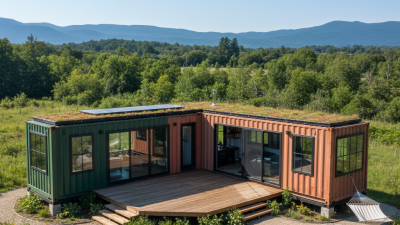
One innovative use is transforming containers into community hubs. These spaces can serve as centers for workshops, art studios, or even libraries. Such projects foster community engagement while promoting sustainable practices. Green roofs and solar panels can further enhance their eco-friendliness. It’s not just about living; it’s about building a shared space that supports collective action.
However, creating container homes is not without challenges. Insulation and ventilation can be difficult to manage. Owners often need to invest in creative solutions. The aesthetic can be industrial, which may not appeal to everyone. It’s crucial to reflect on these aspects when considering container living. Balancing sustainability with comfort is essential for a successful project.
Designing Cozy Interiors in Shipping Container Homes
Shipping container homes are an innovative solution for sustainable living. These structures can be transformed into cozy interiors with some creativity. Incorporating natural materials enhances warmth while maintaining an eco-friendly vibe. For instance, reclaimed wood for flooring and walls adds character and reduces waste. Large windows can flood spaces with light, making them feel more expansive.
Consider adding multifunctional furniture. A foldable table or a sofa bed can save space in smaller containers. Use vibrant colors to create inviting atmospheres. Soft textiles and warm lighting can make a shipping container feel like home. However, the layout might require some trial and error. Finding the right balance between functionality and comfort takes time.
It’s essential to think about insulation. Containers can get hot in summer and cold in winter. Investing in proper insulation may seem costly, but it ensures year-round comfort. Keep in mind that not all designs will flow perfectly. Some may feel cramped despite good intentions. Reflecting on these aspects can guide future projects, making each design better than the last.
Eco-Friendly Features to Incorporate in Container Living Spaces
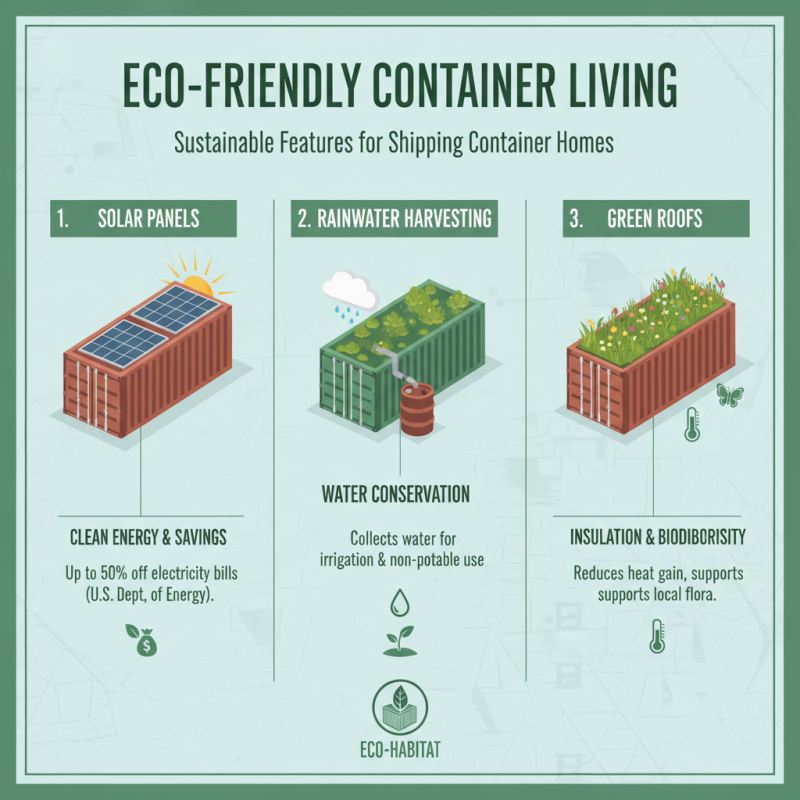
Shipping container homes are increasingly popular for sustainable living. Key eco-friendly features enhance their environmental benefits. One option is solar panels. They can supply clean energy while reducing dependence on fossil fuels. According to the U.S. Department of Energy, homes that utilize solar can save up to 50% on electricity costs.
Another feature is rainwater harvesting systems. These systems collect rainwater for irrigation or household use. Harvesting rainwater can reduce water bills by up to 40%, according to a study by the National Resources Defense Council. Utilizing green roofs is also a sustainable choice. They improve insulation and support biodiversity, attracting beneficial insects. However, these roofs require proper maintenance and can be costly.
Lastly, investing in energy-efficient appliances is crucial. They consume less water and energy, contributing to a lower carbon footprint. However, initial costs can be high. Long-term savings and environmental impacts often justify the expense. Incorporating these features into shipping container homes maximizes sustainability. The journey toward eco-friendly living is rewarding but requires thoughtful planning and investment.
Creating Multi-Functional Spaces with Shipping Containers
Shipping containers are becoming popular for creating multi-functional living spaces. They can be transformed into homes, studios, or even workshops. Using containers allows for flexibility in design. People often combine several containers to create larger areas. This approach promotes innovative architecture and sustainable living.
One idea is to stack containers to form two or three levels. Each level can serve different purposes, such as sleeping, working, or entertaining. Large windows can be added for natural light. This design creates an inviting atmosphere while maximizing space. Containers can also be insulated to ensure comfort year-round. However, challenges like moisture control and ventilation must be addressed.
Another option is to use containers as separate units on one property. Each container can be customized to fit specific functions. For instance, one might be a cozy bedroom, while another serves as a kitchen. Gardens can be integrated around the containers. This connection to nature enhances the living experience. However, thoughtful planning is essential to balance aesthetics with practicality. Creating functional spaces requires attention to detail and a willingness to adapt.
Landscaping and Outdoor Spaces Around Container Homes
Creating outdoor spaces around shipping container homes can enhance both aesthetics and functionality. Think about adding native plants to the landscape. Native flora requires less water and maintenance, promoting sustainability. Construct walkways using recycled materials. This not only minimizes waste but also adds a unique charm to the outdoor area.
Consider a patio with reclaimed wood for relaxation. Outdoor furniture can be crafted from pallets, blending style with eco-friendliness. You might also use solar lights to illuminate the yard at night. This sustainable option reduces energy consumption and enhances safety.
Creating a garden around the container can be a rewarding experience. Raised beds can be built from old containers or wood, allowing easy access for gardening. A small compost area could also be established, making it easier to return nutrients to the soil. However, finding the right balance between aesthetics and practicality can be challenging. You may need to experiment with plant placements and designs, as not all combinations will be successful.