10 Best Cargo Container Homes You Need to See for Affordable Living
In recent years, cargo container homes have emerged as a popular solution for affordable living, captivating architects, builders, and homeowners alike. These innovative dwellings, crafted from repurposed shipping containers, offer a sustainable and cost-effective alternative to traditional housing. As the demand for affordable housing continues to rise, the versatility and adaptability of cargo containers prove to be a promising option for those seeking both style and functionality.
The unique design possibilities associated with cargo container homes allow for creative customization that can reflect personal tastes and lifestyles. From minimalist spaces to expansive multi-container layouts, these homes can be tailored to meet a variety of needs without compromising on quality or aesthetics. As we explore the ten best cargo container homes, we will uncover how these structures are redefining the concept of modern living. Whether you are looking for inspiration for your own living space or simply curious about this burgeoning trend, cargo container homes are undoubtedly worthy of consideration in the quest for affordable and innovative housing solutions.

Top Features of Cargo Container Homes
Cargo container homes have surged in popularity as a sustainable and cost-effective housing solution, offering a unique lifestyle that many find appealing. One of the most significant features of these homes is their modular design, which allows for endless customization. Homeowners can modify the containers to suit their specific needs, whether it's creating an open-concept living space, adding multiple levels, or incorporating large windows for natural light. This flexibility means that each cargo container home can reflect the personal style of its owner while optimizing functionality.
Another compelling feature is the durability of the containers themselves. Made from corten steel, cargo containers are designed to withstand harsh weather conditions, making them an excellent choice for various climates. They are inherently secure, providing peace of mind against potential intrusions. Additionally, many cargo container homes incorporate sustainable practices, such as rainwater harvesting systems, solar panels, and energy-efficient insulation, which not only reduce environmental impact but also lower utility costs for homeowners. This blend of strength, security, and sustainability makes cargo container homes an attractive option for affordable living.
10 Best Cargo Container Homes You Need to See for Affordable Living - Top Features of Cargo Container Homes
| Home Design |
Size (sq ft) |
Number of Bedrooms |
Cost Estimate ($) |
Unique Feature |
| Modern Minimalist |
320 |
1 |
30,000 |
Open Floor Plan |
| Eco-Friendly Retreat |
480 |
2 |
40,000 |
Solar Panels |
| Family Haven |
640 |
3 |
50,000 |
Deck with View |
| Contemporary Cube |
250 |
1 |
25,000 |
Modular Sections |
| Rustic Charm |
720 |
3 |
65,000 |
Wood Accents |
| Open Loft |
540 |
2 |
45,000 |
High Ceilings |
| Urban Chic |
600 |
2 |
55,000 |
Industrial Finish |
| Luxury Container |
850 |
4 |
100,000 |
Swimming Pool |
| Compact Living |
200 |
1 |
20,000 |
Foldable Furniture |
| Tropical Oasis |
750 |
3 |
70,000 |
Garden Surroundings |
Cost-Effectiveness of Living in Cargo Container Homes
Cargo container homes have emerged as a popular option for those seeking cost-effective living solutions. The unique structure of these homes not only allows for affordable construction but also minimizes maintenance costs. With the average price of housing skyrocketing in many regions, transforming used shipping containers into livable spaces presents a practical alternative for budget-conscious individuals and families. Their modular nature adds to their appeal; multiple containers can be combined to create larger, multi-room homes without the hefty price tag associated with traditional construction methods.
Additionally, cargo container homes are often more environmentally friendly than conventional homes. Repurposing containers significantly reduces waste, allowing for a sustainable living option that requires fewer resources than building from scratch. Energy efficiency can also be enhanced through smart design choices, such as installing insulation and utilizing renewable energy sources, further driving down utility costs. This combination of affordability and sustainability makes cargo container homes an attractive solution for anyone looking to achieve homeownership without breaking the bank.
Design Options for Cargo Container Homes
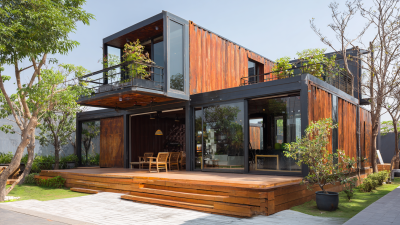
When it comes to designing cargo container homes, the options are as diverse as the individuals who choose them. One of the most popular approaches involves stacking containers to create multi-level living spaces. This method not only maximizes the use of vertical space but can also offer spectacular views, especially if placed on elevated land. Interior designs can incorporate open floor plans, allowing for flexible living arrangements that can adapt to the homeowner's needs. Large windows and sliding doors can be added to invite natural light and connect indoor living spaces with the outdoors, enhancing the overall ambiance.
Another intriguing design option is the use of modular configurations, where containers are arranged in unique patterns to create outdoor patio areas or gardens. This design can include features such as green roofs or vertical gardens, promoting sustainability and harmonizing the home with its environment. Creative minds often find ways to incorporate artistic elements, like murals and sculptural installations, transforming a simple cargo container into a vibrant, personalized sanctuary. With the ability to customize layouts, materials, and finishes, cargo container homes provide a canvas for innovative design that reflects individuality while maintaining affordability.
10 Best Cargo Container Homes You Need to See for Affordable Living
This chart illustrates the comparison of different attributes of the best cargo container homes, showcasing their affordability, size, construction time, and energy efficiency ratings.
Sustainability and Environmental Impact of Container Homes
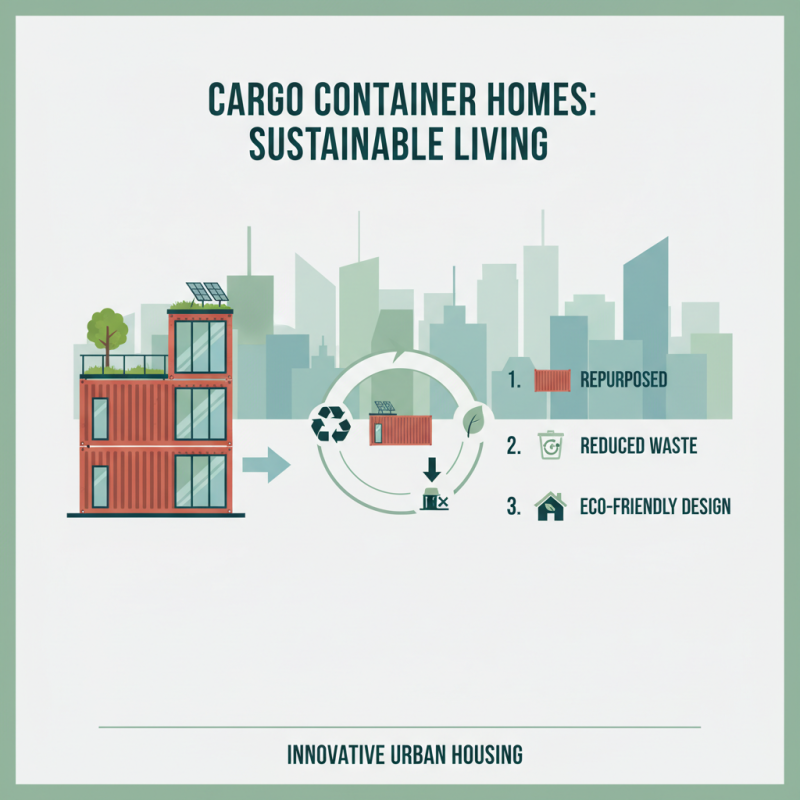
The rise of cargo container homes has garnered attention for their potential sustainability and low environmental impact. Constructed from repurposed shipping containers, these homes offer a unique solution to urban housing shortages while promoting recycling and reducing waste. The use of containers, which would otherwise contribute to landfill overflow, signifies a shift towards a more sustainable building practice. Each container can be incorporated into innovative designs, allowing architects and builders to create customizable, eco-friendly living spaces that align with modern lifestyle needs.
Moreover, cargo container homes often utilize sustainable materials and energy-efficient systems, significantly lowering their carbon footprint. Many designs incorporate solar panels, rainwater harvesting systems, and energy-efficient appliances, further enhancing their environmental benefits. By minimizing energy consumption and fostering self-sufficiency, these homes not only provide affordable living options but also encourage a lifestyle that prioritizes ecological consciousness. Embracing the concept of container living is a step towards a more sustainable future, appealing to environmentally aware individuals seeking alternative housing solutions.
Challenges and Considerations in Building Container Homes
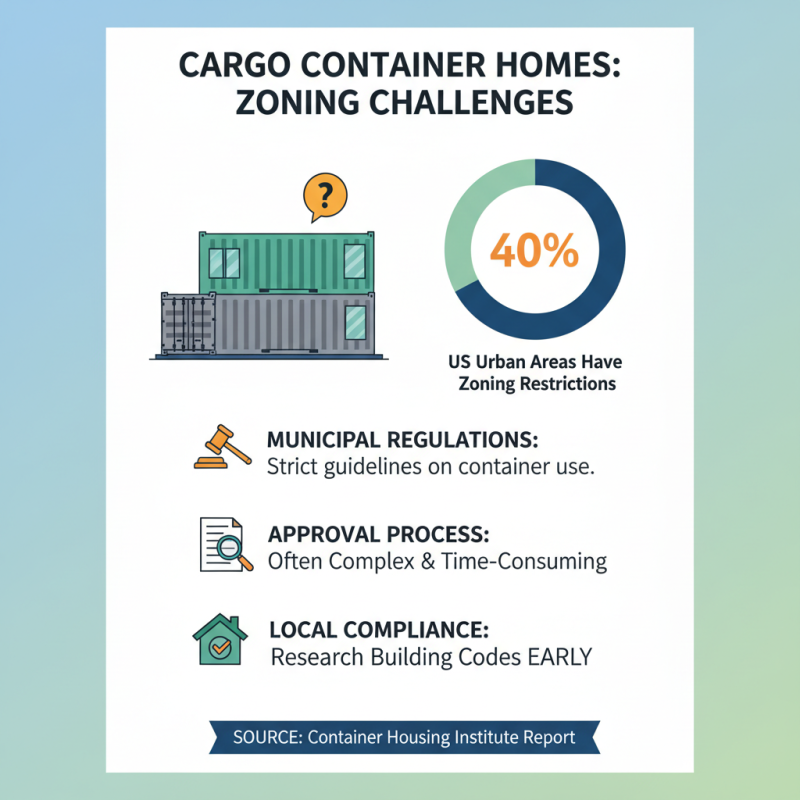
Building cargo container homes presents a unique set of challenges and considerations that potential owners should carefully evaluate. One significant challenge is zoning regulations; many municipalities have strict guidelines regarding the use of containers as residences. According to a report from the Container Housing Institute, approximately 40% of urban areas in the United States have zoning restrictions that could complicate the approval process for container homes. It is crucial for prospective builders to consult local building codes and zoning laws to ensure compliance before starting construction.
Another consideration is insulation and climate control. Cargo containers are constructed from steel, which can lead to extreme heat retention or coldness depending on external conditions. A study conducted by the National Association of Home Builders highlights that without proper insulation, temperatures inside container homes can vary significantly, creating uncomfortable living environments. Using techniques such as spray foam insulation or adding exterior cladding can mitigate these issues, but upfront costs may increase. Moreover, builders must also think about ventilation to prevent condensation and maintain air quality, thus adding to the overall investment in creating a comfortable living space using cargo containers.