Top 10 Advantages of Finished Container Homes for Modern Living?
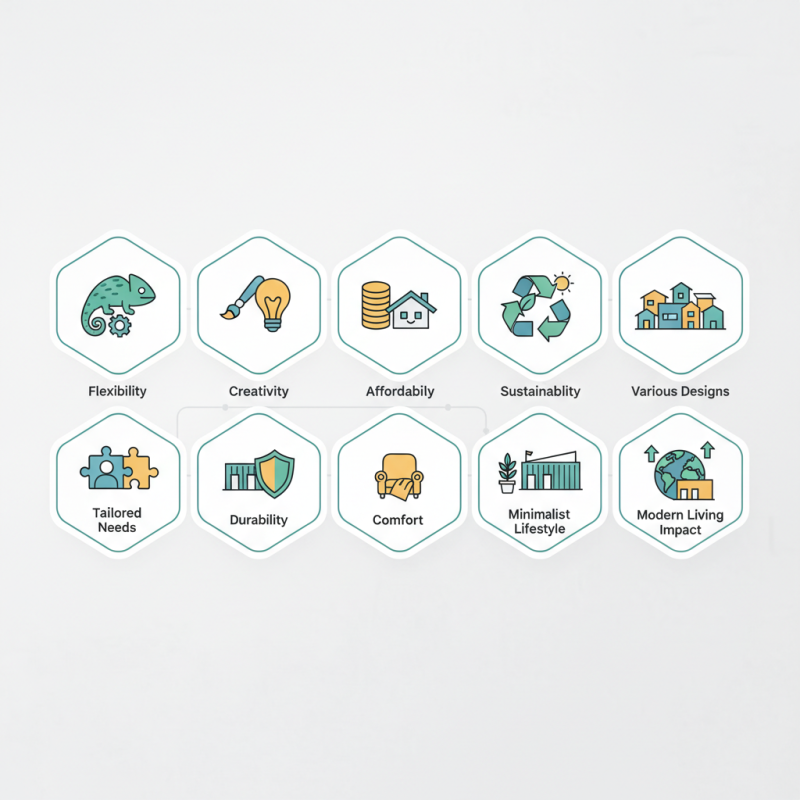
In recent years, finished container homes have gained significant popularity. They provide a unique solution for modern living challenges. These homes, made from repurposed shipping containers, offer flexibility and creativity. Many homeowners appreciate their affordability and sustainability.
Finished container homes come in various designs. These homes can be tailored to fit individual needs. Yet, some may question their durability or comfort compared to traditional houses. This is a valid concern. Compact living may not be suitable for everyone.
Some people feel confined in smaller spaces. Others worry about aesthetics. However, many are embracing minimalist lifestyles. They find joy in simple living, and finished container homes can help achieve this goal. As we explore the top advantages of these homes, we aim to understand their impact on modern living.
Benefits of Sustainability in Finished Container Homes
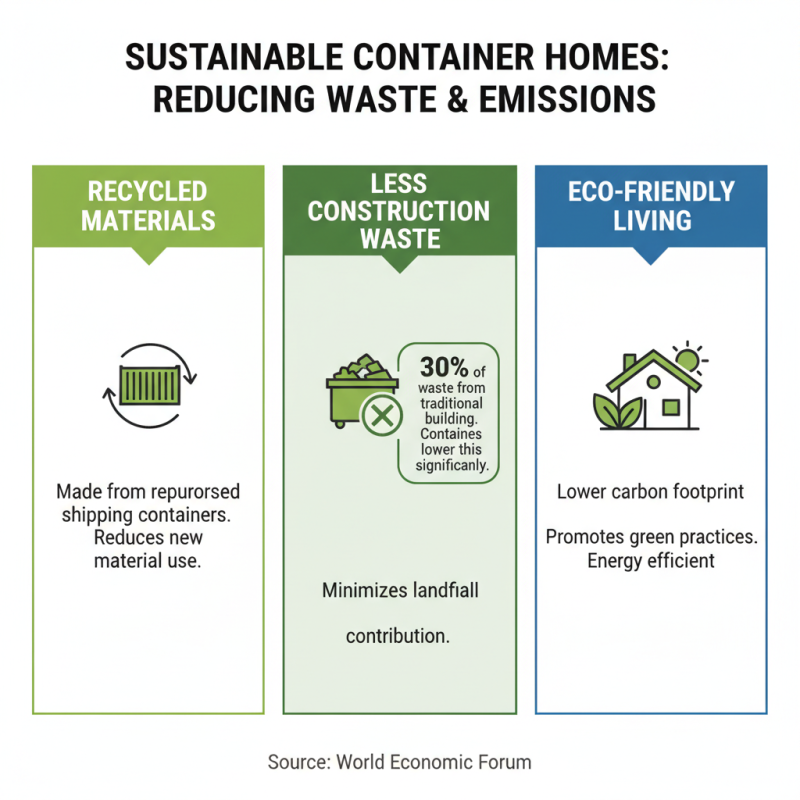
Finished container homes are gaining traction due to their sustainable nature. Made from recycled shipping containers, these homes significantly reduce material waste. According to the World Economic Forum, approximately 30% of construction waste originates from traditional building methods. By opting for container homes, we can lower this figure and promote eco-friendly practices.
Energy efficiency is another key benefit. Container homes often feature improved insulation compared to standard houses. A study by the U.S. Department of Energy found that energy-efficient homes can reduce utility costs by up to 30%. This efficiency not only saves money but also supports a greener environment. However, it’s essential to note that some container homes may lack adequate ventilation, which can lead to air quality issues.
Water conservation is also vital. Incorporating rainwater harvesting systems in container homes promotes self-sufficiency. Research indicates that using rainwater can cut household water usage by up to 50%. Still, this setup can be complicated and may require maintenance. Sustainable living involves both advantages and challenges that homeowners need to consider.
Cost-Effectiveness of Container Homes Compared to Traditional Housing
Container homes are becoming a compelling alternative to traditional housing. One significant advantage is their cost-effectiveness. According to industry reports, the average cost of building a conventional home ranges from $100 to $200 per square foot. In contrast, container homes can be constructed for as low as $50 per square foot. This significant difference makes them appealing to many.
Construction time is another factor. Traditional homes often take six months or more to build. Container homes can be ready in just a few weeks, saving both time and money. Additionally, many container homes are modular. This means owners can start small and add space as needed. The flexibility is crucial for modern living.
Some challenges exist too. The resale market for container homes remains less established than that of traditional homes. Homebuyers may face difficulties when securing financing. Insuring a container home can also be problematic. These factors require careful consideration. Despite these hurdles, many are drawn to the eco-friendly nature of repurposed shipping containers. They serve as a unique solution for affordable housing in a time of rising costs.
Flexibility and Customization Options for Modern Living Spaces
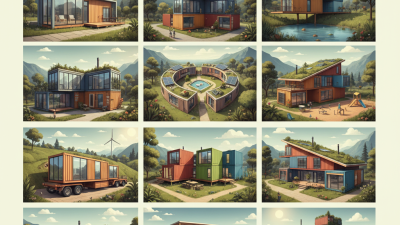
Container homes offer exciting flexibility for modern living spaces. Homeowners can easily customize layouts to fit their needs. Want an open floor plan? That’s possible. Need additional storage? Design options can incorporate built-in shelves. The adaptability of these homes allows for unique spaces that reflect personal style.
Moreover, modular units can be expanded as needed. A growing family might add another container to accommodate children. Alternatively, a homeowner may downsize, removing extra space without major renovations. Smaller spaces require thoughtful design, which can encourage creativity. However, limited space may pose a challenge for some.
Those living here might find storage solutions hard to balance with comfort. It’s important to reflect on how every inch is utilized.
While these homes are enticing, they may not suit everyone.
Some people crave traditional structures with established aesthetics. Others might find it overwhelming to manage a DIY project. The journey of creating a container home varies widely. Embracing both the potential and the pitfalls can lead to fulfilling modern living experiences.
Rapid Construction Timeframes of Finished Container Homes
Finished container homes are transforming modern living, especially with their rapid construction timeframes. Unlike traditional homes, these units can be ready in weeks, not months. This speed comes from their modular design. Workers deliver pre-built sections, dramatically reducing onsite time. Each step feels efficient. It's surprising how quick the process is.
However, quick construction has its drawbacks. The speed might lead to overlooked details. There’s always a risk of corners being cut. Inspections may not be as thorough. It’s essential to balance speed with quality. Homebuyers should stay vigilant. A rapid build doesn’t guarantee perfection.
Yet, the benefits can be worthwhile. Imagine moving into your new home in just a few months. Less waiting, less stress. You can settle in sooner and enjoy your space. Finished container homes offer a unique opportunity for modern living. Their design and efficiency can cater to diverse lifestyles. Still, always do your homework before diving in.
Top 10 Advantages of Finished Container Homes for Modern Living
Innovative Design Possibilities for Unique Living Environments
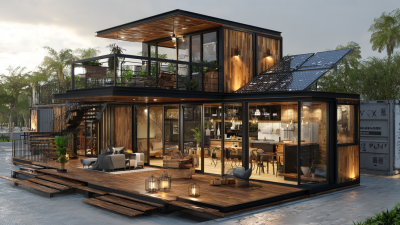
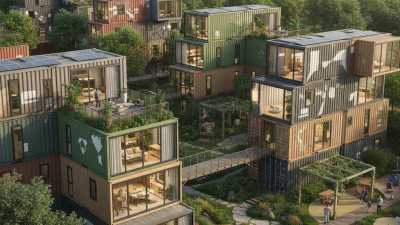
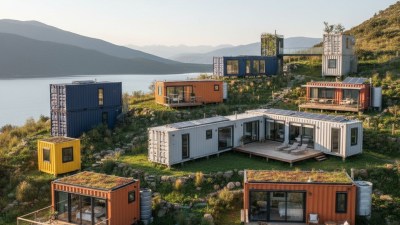
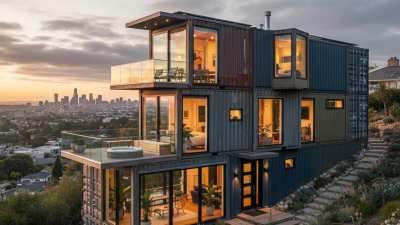
Container homes are redefining modern living with innovative design possibilities. These unique structures offer adaptability in various settings, making them increasingly popular. They can be shaped into cozy studios or spacious family homes, bringing personality to the mundane. Imagine colorful exteriors that make a striking statement on the street. Inside, open layouts allow creative use of space, encouraging a flow between living and working areas.
A significant advantage is the environmentally friendly materials used in these designs. Creative architects often transform shipping containers into functional homes, utilizing existing materials efficiently. However, not every design is perfect. Some may feel cramped or lack insulation, requiring adjustments to enhance comfort. The challenge lies in balancing aesthetics with practicality. Reflections on design flaws can lead to innovative solutions that enhance the living experience. Ultimately, it’s about finding unique ways to create a home that truly resonates with the individual’s style and needs.